SHARE


 Democratic Republic of the Congo
20-07-2026 | di COOPI
DRC. A new reparations model for victims of conflict
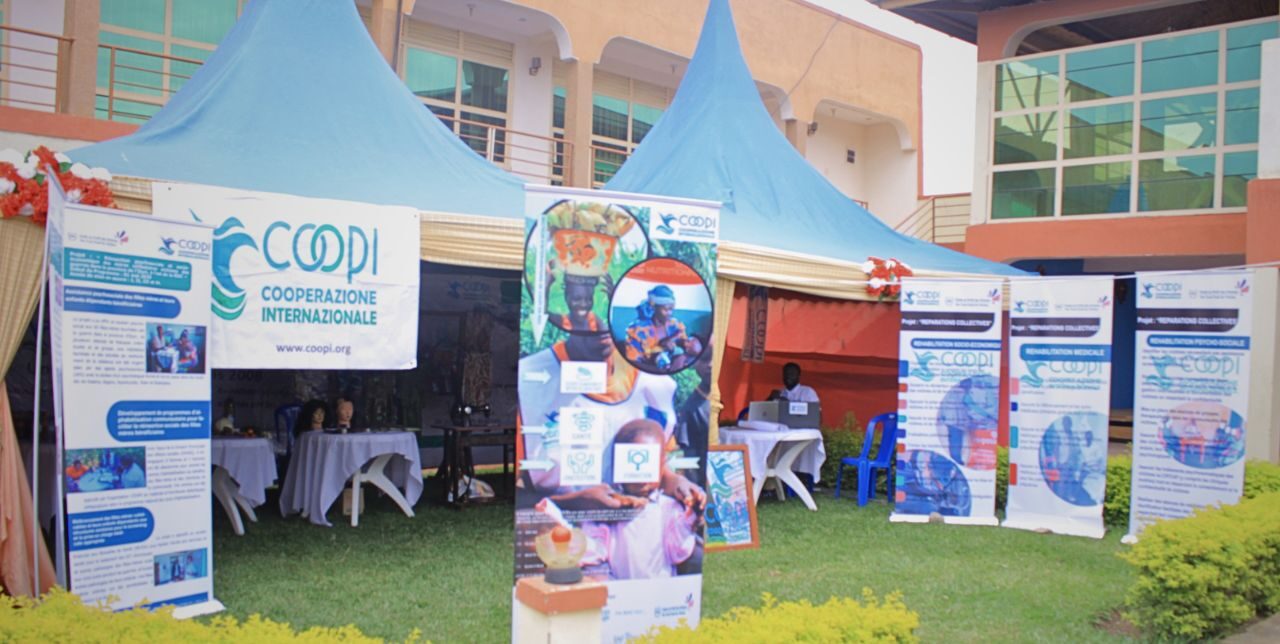
For many people in Ituri, in the Democratic Republic of the Congo, the war continues to leave deep scars. Trauma, health problems, loss of livelihoods and economic hardship still make it difficult to rebuild their lives. Since 2021, COOPI – Cooperazione Internazionale ETS, together with its local partner PADI, has been implementing the "Collective amends in the form of services to victims" programme, funded by the Trust Fund for Victims of the International Criminal Court. By combining psychosocial support, medical care, education and livelihood opportunities, the programme helps thousands of people affected by the conflict regain their autonomy and dignity.
The intervention is part of the reparations ordered by the International Criminal Court for victims of the crimes for which Thomas Lubanga Dyilo and Bosco Ntaganda were convicted. Rather than providing financial compensation, it offers a package of services tailored to beneficiaries' needs, with the aim of restoring well-being, economic self-reliance and participation in community life.
Mental health: rebuilding confidence in oneself and others
The recovery journey begins with listening. Individual counselling, specialised therapy and group activities help participants process their experiences during the conflict and strengthen their ability to cope with its lasting consequences.
To date, more than 2,000 people have received psychosocial support, and nearly as many have successfully completed their therapeutic pathway, reporting improvements in psychological well-being as well as in family and social relationships.
Medical care to restore independence
Alongside psychosocial support, the programme provides medical consultations, specialised treatment, hospital care and surgery whenever needed. Particular attention is given to survivors of sexual violence, who receive assistance in a confidential and safe environment.
So far, more than 2,000 beneficiaries have undergone health screenings, while over one hundred have accessed specialised medical care. More than 50 beneficiaries have also received prosthetic devices, enabling them to regain mobility and independence.
Education and livelihoods: investing in the future
Reparation does not end with medical care: it also means having the opportunity to return to school, learn a trade or start a small business.
To this end, the programme supports the socio-economic reintegration of victims through vocational training, technical support, entrepreneurship assistance and start-up capital for income-generating activities. At the same time, it has enabled nearly 4,000 children and young people to continue their education, helping reduce the risk of exclusion and poverty.
From individual reparations to rebuilding communities
The experience gained in Ituri shows that reparations can become a tangible tool for recovery when they are centred on people's needs. In a context that remains fragile, this model demonstrates that supporting victims through a long-term recovery process means not only addressing immediate needs, but also creating the conditions for them to build new opportunities for themselves, their families and their communities.
Reparations thus become not only a response to the consequences of the past, but also the starting point for a process of reconciliation and peacebuilding.
---
Present in the country since 1977, COOPI has been working for decades to strengthen food and nutrition security. In 2025, the organisation implemented six projects, reaching 248,783 beneficiaries.