SHARE


 Democratic Republic of the Congo
14-01-2026 | di COOPI
DRC. Over 2,300 malnourished children treated in the eastern provinces
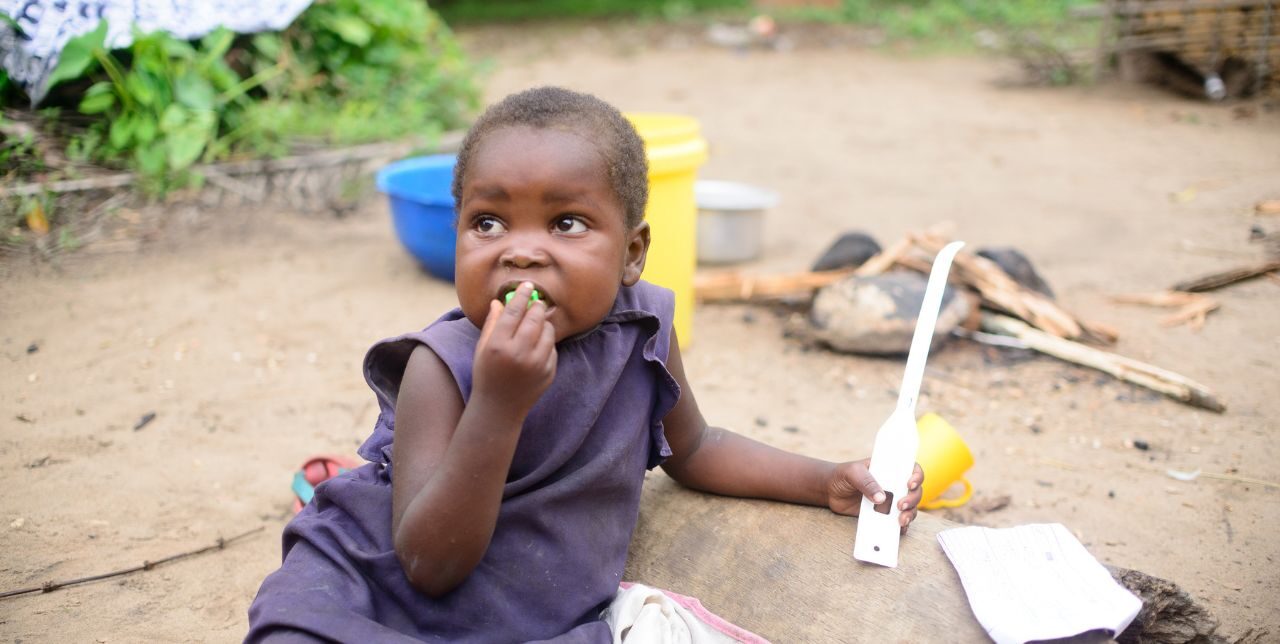
Since May 2025, more than 2,300 children in the eastern provinces of the Democratic Republic of the Congo, between Ituri and North Kivu, have been treated for acute malnutrition thanks to an intervention funded by European Humanitarian Aid and implemented by COOPI – Cooperazione Internazionale - ETS, together with INTERSOS and the lead NGO ALIMA. The intervention focuses on the health zones* of Rwampara, Fataki, Mangala and Nizi (Ituri), and Kalunguta and Lubero (North Kivu), where health facilities often operate with limited resources and insufficient staff.
The project, entitled “Multi-sectoral emergency assistance integrating health, nutrition, protection, EHA for populations affected by conflict in Ituri Province and North Kivu Province and RRM response in Ituri Province, North Kivu Province and South Kivu Province”, combines health, nutrition and protection interventions to ensure free and continuous access to essential services.
The mid-term results of the intervention are positive and encouraging. These children, including both internally displaced persons and members of the host population, were treated in outpatient nutritional units, and almost all successfully completed the therapeutic programme, with a recovery rate of 94% and no deaths recorded. In the most complex cases, more than 200 children with medical complications were admitted and treated in intensive therapeutic units.
In addition, community-level activities have significantly strengthened the capacity for early case detection: nearly 40,000 children underwent nutritional screening thanks to the work of community relays. This made it possible to identify cases before they worsened and promptly refer them to health facilities.
Alongside clinical care, a significant component of the intervention focuses on strengthening local capacities. A total of 417 health workers and community actors were trained on the national protocols for the management of malnutrition and infant feeding, while awareness-raising activities reached thousands of families on nutrition and hygiene practices. For example, training mothers in the use of the MUAC bracelet at household level helps ensure earlier identification of signs of malnutrition in their children.
The intervention is being implemented in an unstable operational context marked by armed conflict, displacement and limited access to healthcare services. In Ituri and North Kivu, where acute child malnutrition remains one of the leading causes of mortality among children under five, such insecurity can affect the continuity of services, the availability of medicines and access to healthcare facilities.
In this context, ensuring the continuity of nutritional activities becomes even more critical and requires constant work both to maintain the operation of basic services and to strengthen collaboration with local communities, which play an essential role in identifying cases and ensuring adherence to treatment. For this reason, COOPI is strengthening the nutritional response in these provinces by continuing its presence on the ground and remaining committed to providing continuous assistance and reaching the children most in need.
---
COOPI has been present in the DRC since 1977. From the outset, it has been committed to strengthening nutritional security, especially for children. In 2025, the organisation implemented six projects, reaching 248,783 beneficiaries.
* Administrative divisions of the Congolese healthcare system: each includes a referral hospital and several health centres and is responsible for providing care to 100,000–250,000 inhabitants; nationwide, there are more than 500 such divisions.