SHARE


 Democratic Republic of the Congo
14-09-2026 | di COOPI
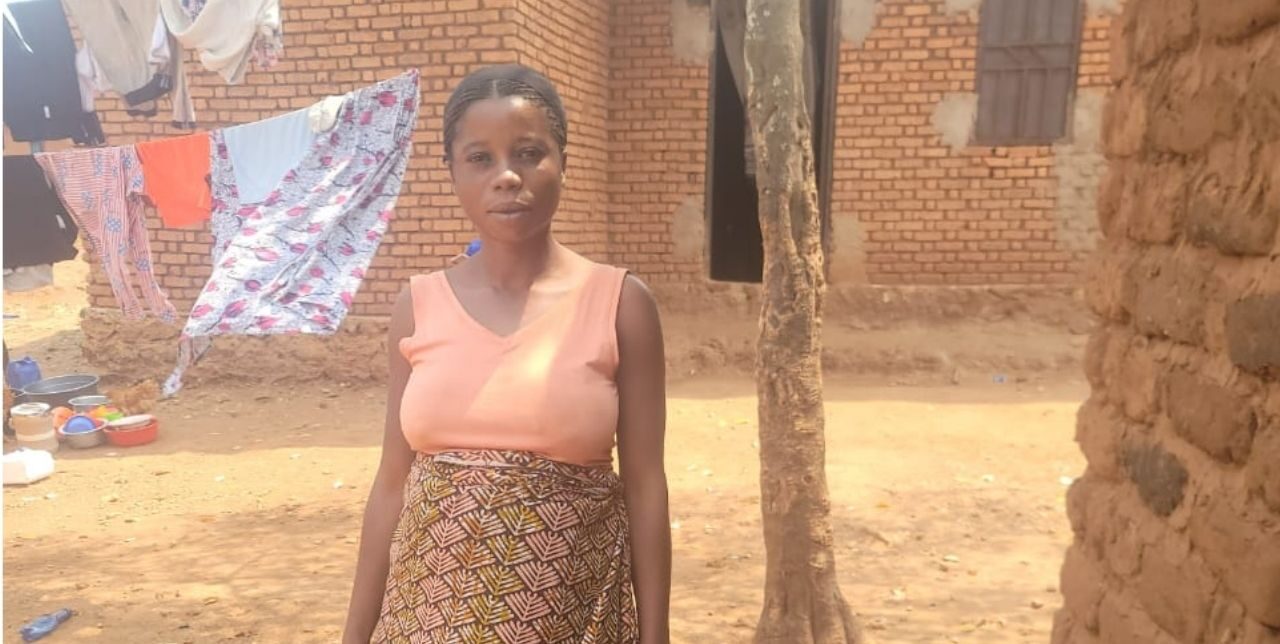
DRC. The journey of Claudine and his family, from the Itara health area
Claudine, 31 years old, is a mother of three children aged 7, 5, and 3. She and her family are originally from the village of Itara, in the Lemera territory, South Kivu Province, in eastern Democratic Republic of the Congo. In February 2025, clashes between the armed group M23-AFC and the Armed Forces of the Democratic Republic of the Congo (FARDC) forced them to flee their home. From that tragic moment, Claudine's family suffered greatly. She confides:
My sister, who was only 15 years old, lost her life due to the violence. We didn't want to leave our home, but I was afraid for my children; we had no other choice. After leaving Itara, we lived on the run for eight months. We only survived thanks to the solidarity of the families who hosted us, and I will be eternally grateful to them.
Despite the support of host families, this period of displacement was particularly grueling for Claudine, her husband, and their three children, who had to face very harsh living conditions. After eight months of displacement, the family was finally able to return to Itara thanks to the improved situation in the area. However, their return did not mark the end of their hardship, as Claudine testifies:
During our displacement, our fields were destroyed, our livestock vanished, and our livelihoods collapsed. We had almost nothing to eat and no clean water.
Since returning to Itara, the family is still struggling to rebuild their livelihoods and meet their basic needs. This situation had heavy consequences, particularly for the family's youngest child, Kalembu, barely three years old, who was affected by severe acute malnutrition. His condition was detected in June 2026 during a community screening activity in the Itara Health Area, organized as part of the project "Emergency humanitarian nutrition response to IDPs and host communities affected by the Uvira crisis in the Uvira and Lemera Health Zones," implemented by COOPI – Cooperazione Internazionale in partnership with AFPDE (Women Association for Promotion and Endogenous Development), thanks to funding from the DRC Humanitarian Fund. Mr. Prince, a nutritionist from the NGO COOPI who screened young Kalembu, narrates:
During the screening, I noticed that the child showed signs of severe acute malnutrition. His mother was very worried. I reassured her and encouraged her to go to the Itara Health Center for additional examinations and appropriate nutritional care.
Thanks to early detection, prompt referral to the Outpatient Therapeutic Nutritional Unit (UNTA) of Itara, and medical and nutritional care—all of these services being free and provided by the project—Kalembu's health condition improved significantly. His mother, Claudine, confides:
After just three weeks of treatment at the UNTA, progress was already visible. My child had become more active, his overall condition had improved significantly, and he looked like a healthy child again.
This success was also made possible through awareness sessions on infant feeding and hygiene conducted by COOPI's field team, which allowed Claudine to gain new knowledge to better care for her children. She stated:
I put into practice the advice I was given: washing my hands with soap or ash before meals, before breastfeeding, after using the toilet, and before preparing food. I also learned to diversify my child's diet to help him grow up healthy.
Today, she shares with emotion:
I want to express my deep gratitude to COOPI, the DRC Humanitarian Fund, and the nursing staff at the Itara Health Center. Thanks to their support, my child is healed today. I hope these interventions continue so that more children like my son can benefit from this assistance and have the chance to look forward to a better future.
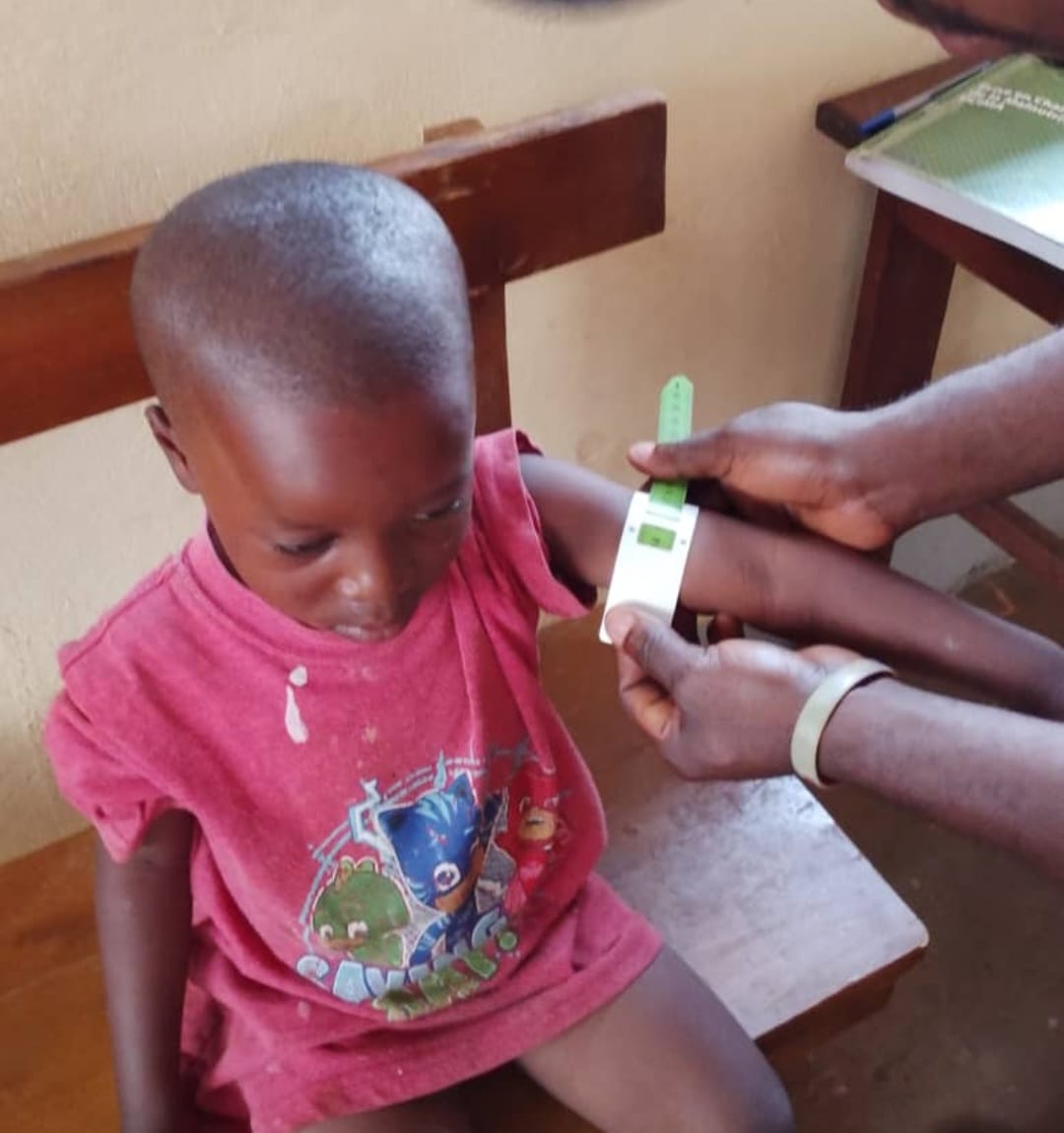
Kalembu is one of 1,651 children aged 6 to 59 months suffering from severe acute malnutrition who received care under the project "Emergency humanitarian nutrition response to IDPs and host communities affected by the Uvira crisis in the Uvira and Lemera Health Zones". The story of Kalembu and his family illustrates the concrete impact of a rapid, integrated humanitarian response. Through early screening, medical and nutritional care, and community awareness activities, lives can be saved and families can regain hope.