SHARE


 Ethiopia
28-01-2026 | di COOPI
Ethiopia. Gender-based approach strengthens communities’ resilience to climate crisis
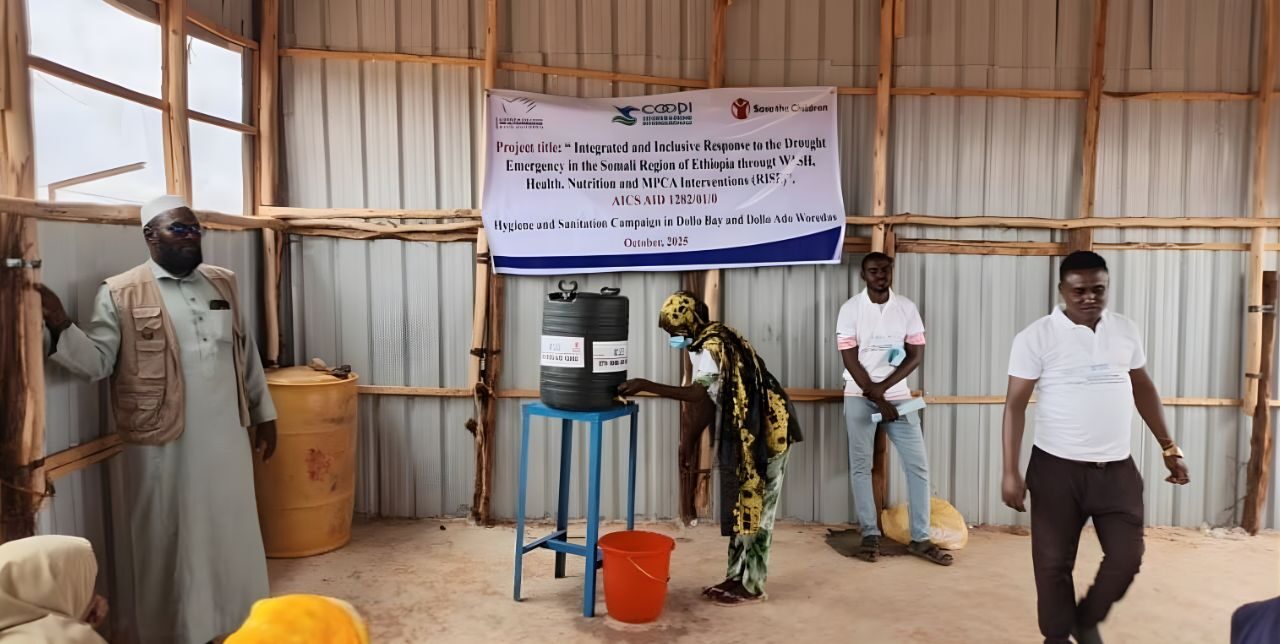
In Ethiopia’s Somali region, water collection remains an almost exclusively female responsibility. In a context marked by recurring droughts and sudden floods, COOPI – in consortium with Save the Children and with the support of the Italian Cooperation – has strengthened access to safe water, sanitation, and hygiene services through the project “RISE: Integrated and Inclusive Response to the Drought Emergency in Ethiopia’s Somali Region through WASH, Health, Nutrition, and Multi-Purpose Cash Assistance”. The initiative adopted an inclusive and strongly gender-based approach, transforming access to resources into a tool for protection and equity.
Tailored response for women
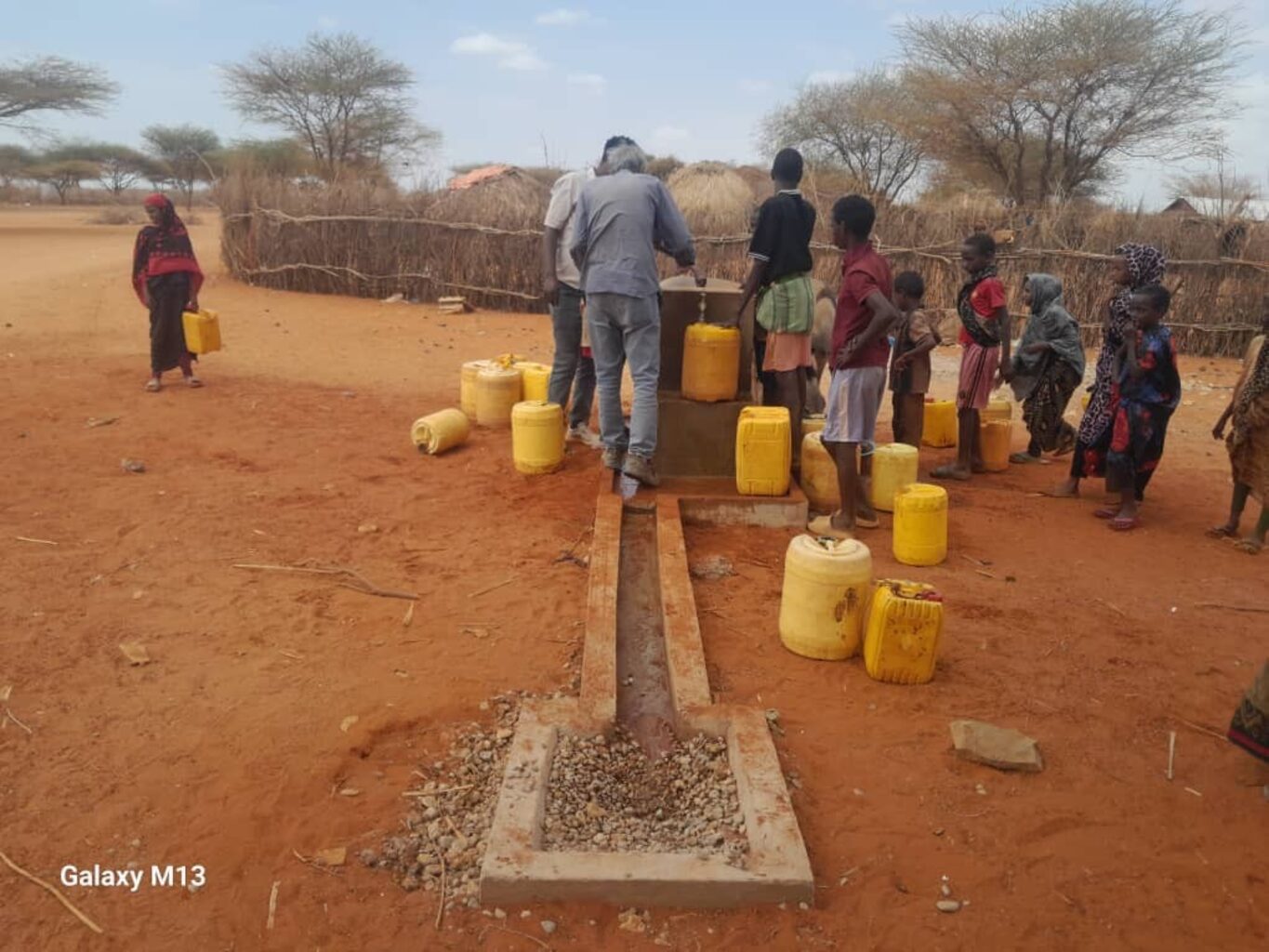
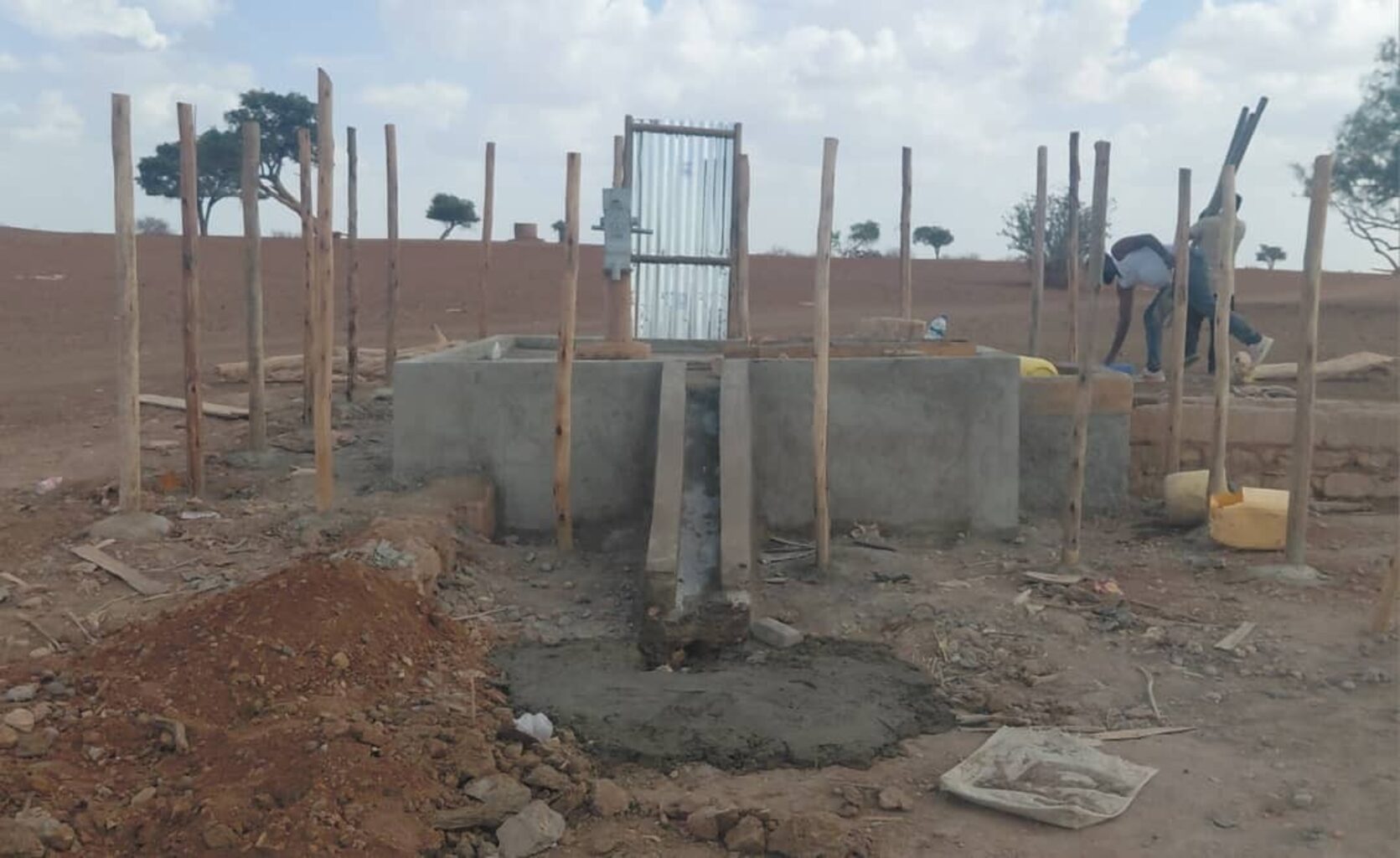
The project went beyond the purely technical aspects of construction, starting from the specific needs of female population to redefine access to resources. The introduction of solar-powered pumping systems ensured a continuous, sustainable, and less costly water supply for the community, while raising the well structures to 2.5 meters above ground level protected the sources from contamination during floods. In the Dollo Ado and Dollo Bay areas, ensuring safe and nearby water supplies meant reducing the risks associated with long journeys, lightening the domestic workload, and giving women more time for family care and income-generating activities. The effectiveness of this strategy was confirmed by the data: 100% of beneficiaries reported that assistance was delivered safely, accessibly, and participatively.
Pillars of the gender-based approach: participation and dignity
The gender-focused approach was translated into concrete and measurable actions along the following main axes:
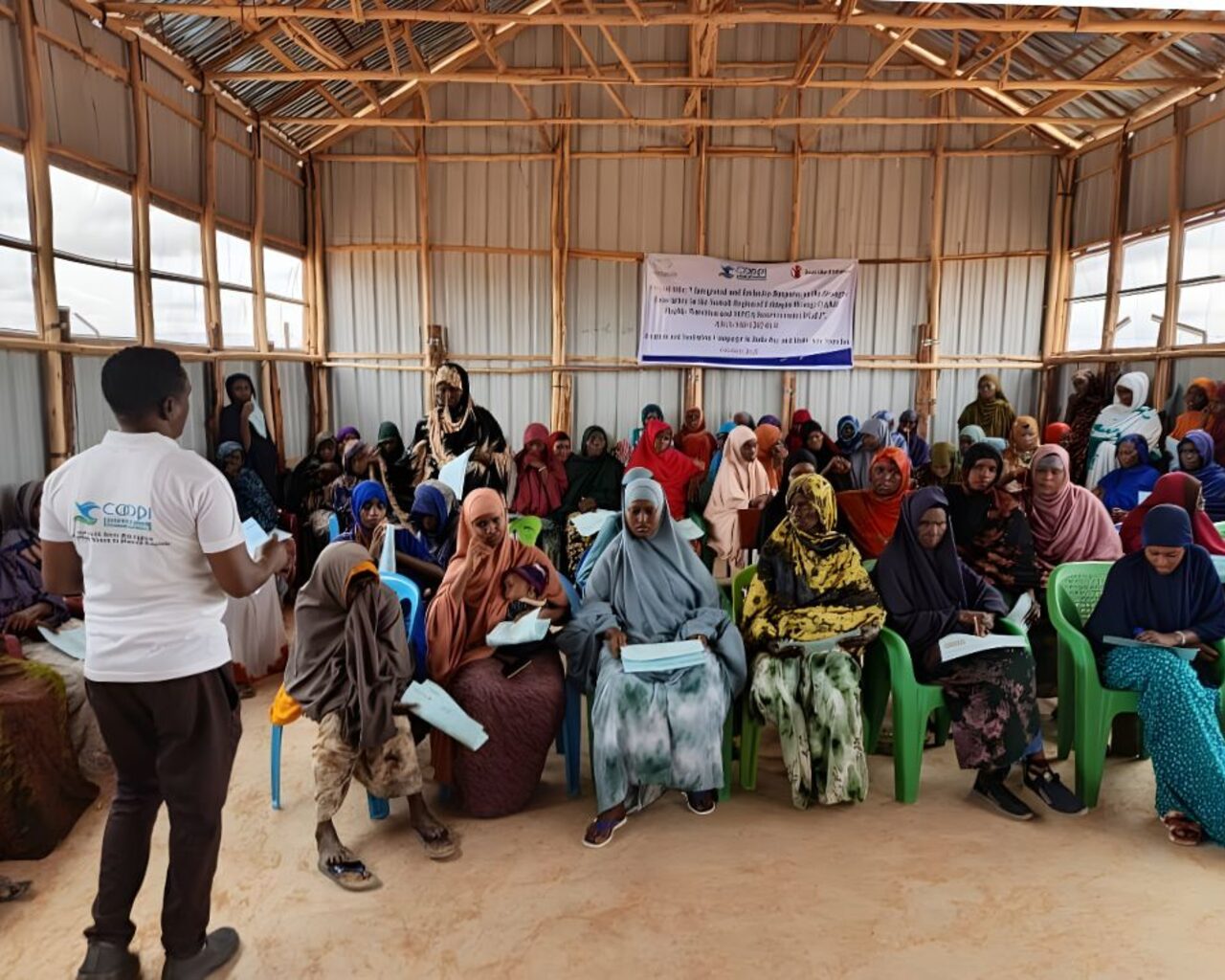
- local leadership: training water committees (WASHCOs) actively promoted female participation, ensuring women have a voice in the long-term management of community water resources. Of the 42 committee members trained, the majority—24 members (57.2%)—were women;
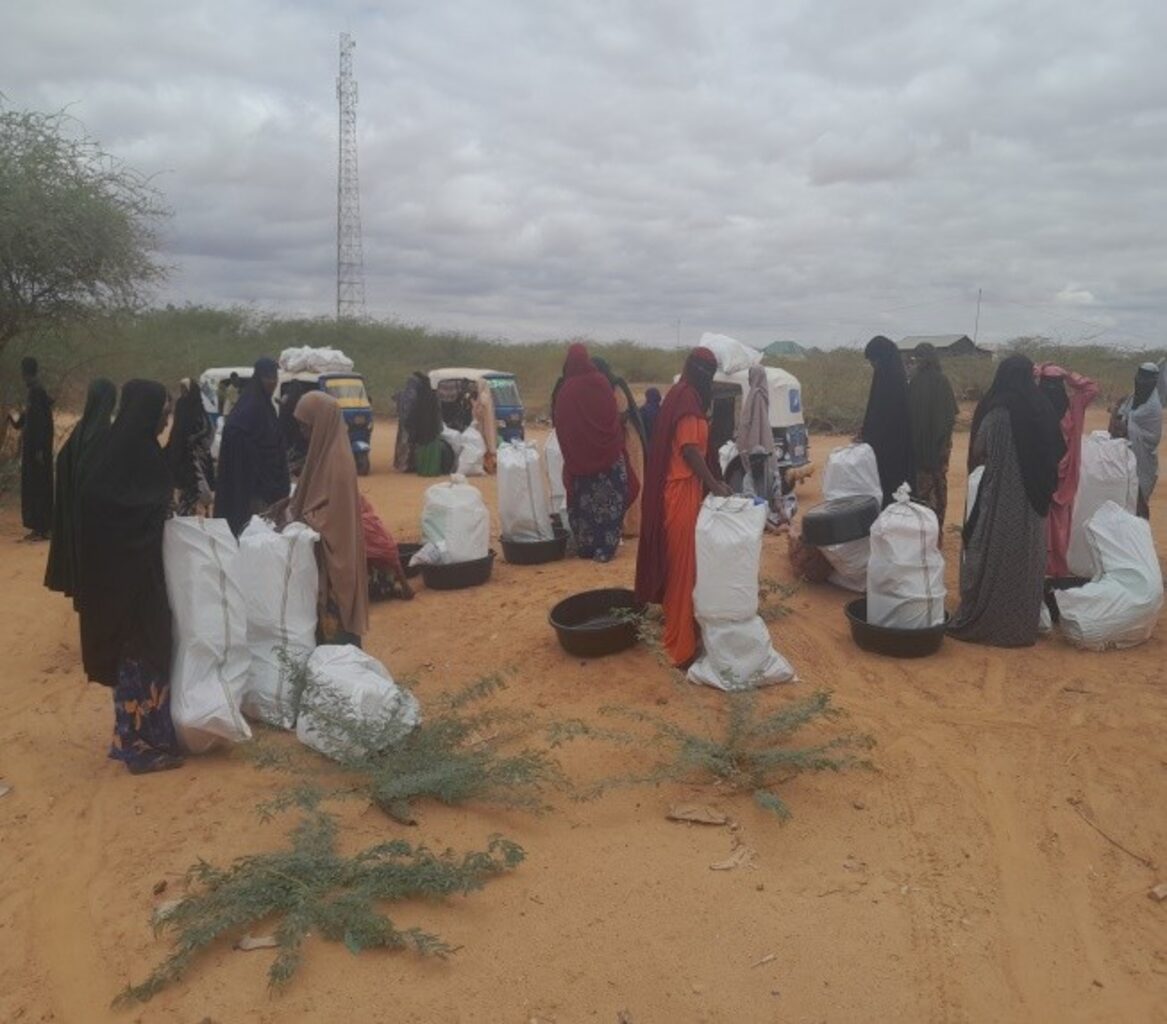
- hygiene and dignity: the distribution of 500 hygiene and dignity kits targeted predominantly women-headed households (461 out of 500), including vulnerable groups such as widows and single mothers. The kits—containing reusable sanitary pads, underwear, and rechargeable torches—improved menstrual hygiene management and safety during nighttime movements;
- structural inclusivity: the rehabilitation of sanitation facilities in several woredas, including the Wedlehube health center, provided latrines and water points accessible via ramps and gender-sensitive separate spaces. Additionally, the renovation of sanitary blocks and nutrition waiting areas supported maternal and child health, contributing to an increase in prenatal visits from 58% to 78%;
- economic support: cash assistance prioritized a total of 1,250 women-headed households in vulnerable situations facing severe food insecurity. This support allowed them to purchase essential goods to meet immediate needs.
A lasting social impact
Thanks to this intervention model, nearly 20,000 people, including 10,942 women, now have access to safe water for domestic use. This achievement is not only infrastructural but also profoundly social, as it demonstrates that access to water, when inclusive and gender-based, becomes a lever for protection, equity, and resilience for the entire community. This combined approach of essential infrastructure and humanitarian assistance enables communities to compensate for losses caused by recurring droughts, strengthening local resilience and providing a dynamic response to evolving needs, where food insecurity and disease outbreaks increase the demand for life-saving interventions and preventive care.
---
COOPI has been active in Ethiopia since 1995, implementing both development and humanitarian projects to support the most vulnerable groups, including internally displaced persons due to conflict and/or natural disasters. Through a multisectoral, integrated approach, COOPI aims to enhance community resilience and safeguard natural resources. Over the years, it has reached more than 10 million direct beneficiaries by implementing 164 projects across the country. COOPI focuses its action on ensuring access to safe water and sanitation services, food security, and livelihoods.