SHARE


 Lebanon
15-09-2026 | di COOPI
Lebanon. Stronger Social Development Centers, better access to care
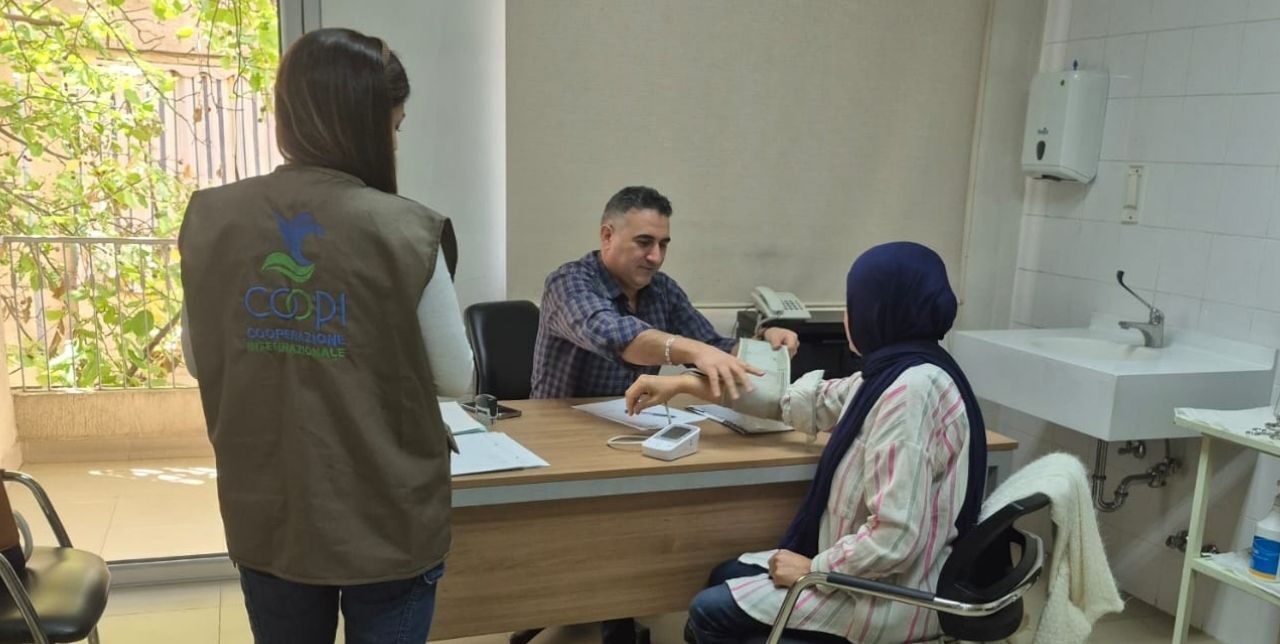
Lebanon's public social services have long struggled under the weight of economic collapse, political paralysis, and successive crises. Across the country, the Ministry of Social Affairs (MoSA) operates a network of Social Development Centers (SDCs) — designed to serve the most vulnerable — that have faced significant challenges in maintaining staffing levels and attracting community uptake. COOPI – Cooperazione Internazionale, with the support of the Italian Cooperation, with funding from the European Union under the “EU 4 Lebanon Inclusive Services for Social Actions”, is working to support and strengthen these centers.
Launched in July 2025, the project "SABAH - Supporting SDCs in Akkar, Baalbeck-el-Hermel and North Lebanon to increase access to health, social services and economic livelihoods opportunities" aims to strengthen the operational capacity of ten Social Development Centers located in Halba, Rahbeh, Qobbeh, Batroun, Bcharre, Baalbek, Ras Baalbek, Britel, Qaa and Arsal, improving access to essential health and social services for vulnerable Lebanese communities and Syrian refugees.
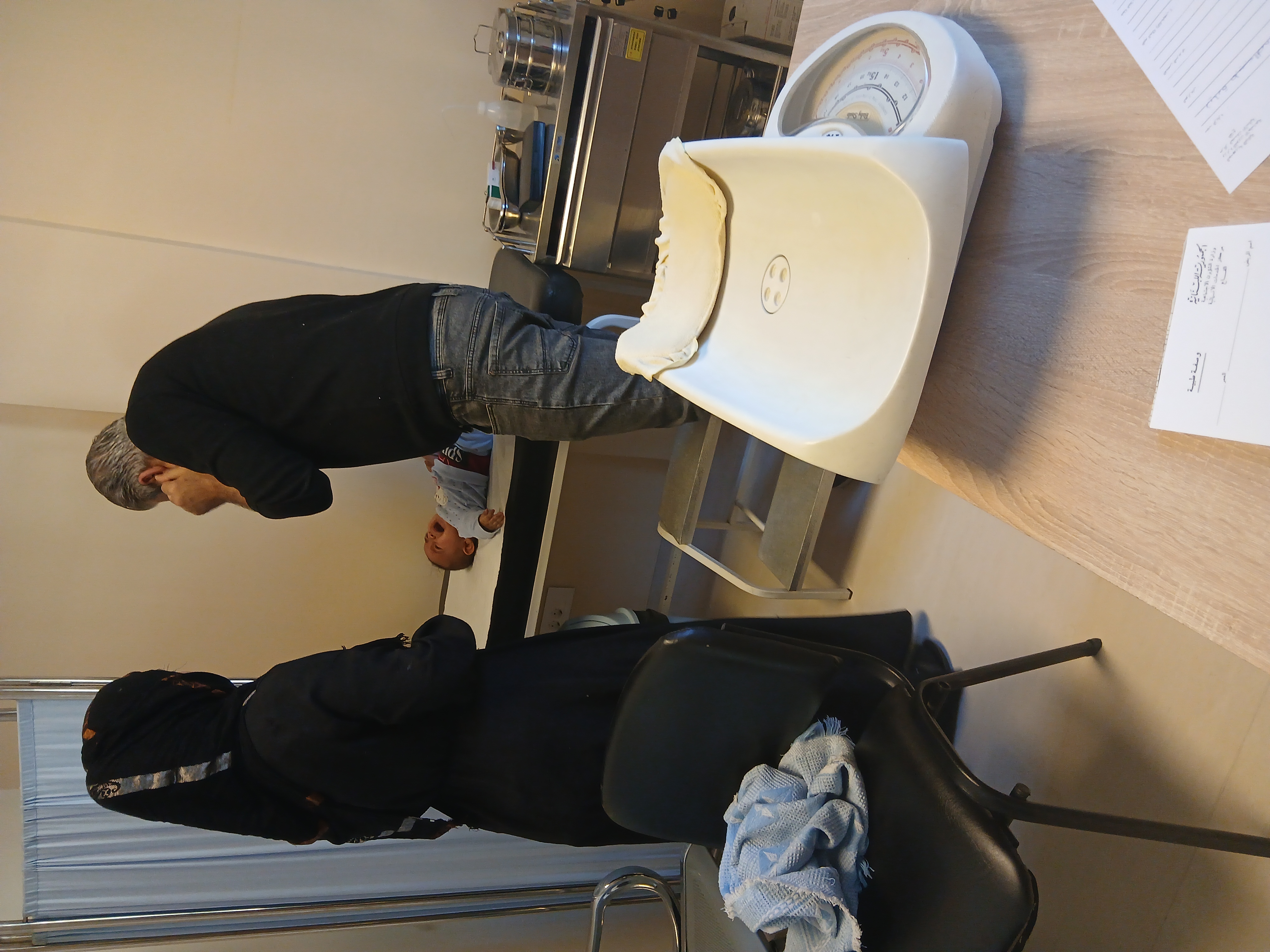
Prior to SABAH's support, data indicated that many of the targeted SDCs were experiencing low community uptake and limited operational capacity. Through its intervention, COOPI, in close coordination with MoSA, has focused on reinforcing the centers expanding healthcare and social services by providing financial support for key personnel, including directors, nurses, social workers, receptionists, and cleaners, while also covering the fees of general practitioners, pediatricians, gynecologists and, where needed, dentists, enabling the centers to better respond to community needs.
This investment has enabled the centers to improve both the quality and continuity of their services, encouraging greater community engagement. They now offer access to a broad range of services, including medical consultations, dental care, social counselling and referrals to specialised public and private
said the Head of Mission, Pascall Maillard.
Home visits and community outreach activities also help identify vulnerable people who would otherwise struggle to access assistance, including women heading households, older people, persons with disabilities and young people at risk of social exclusion.
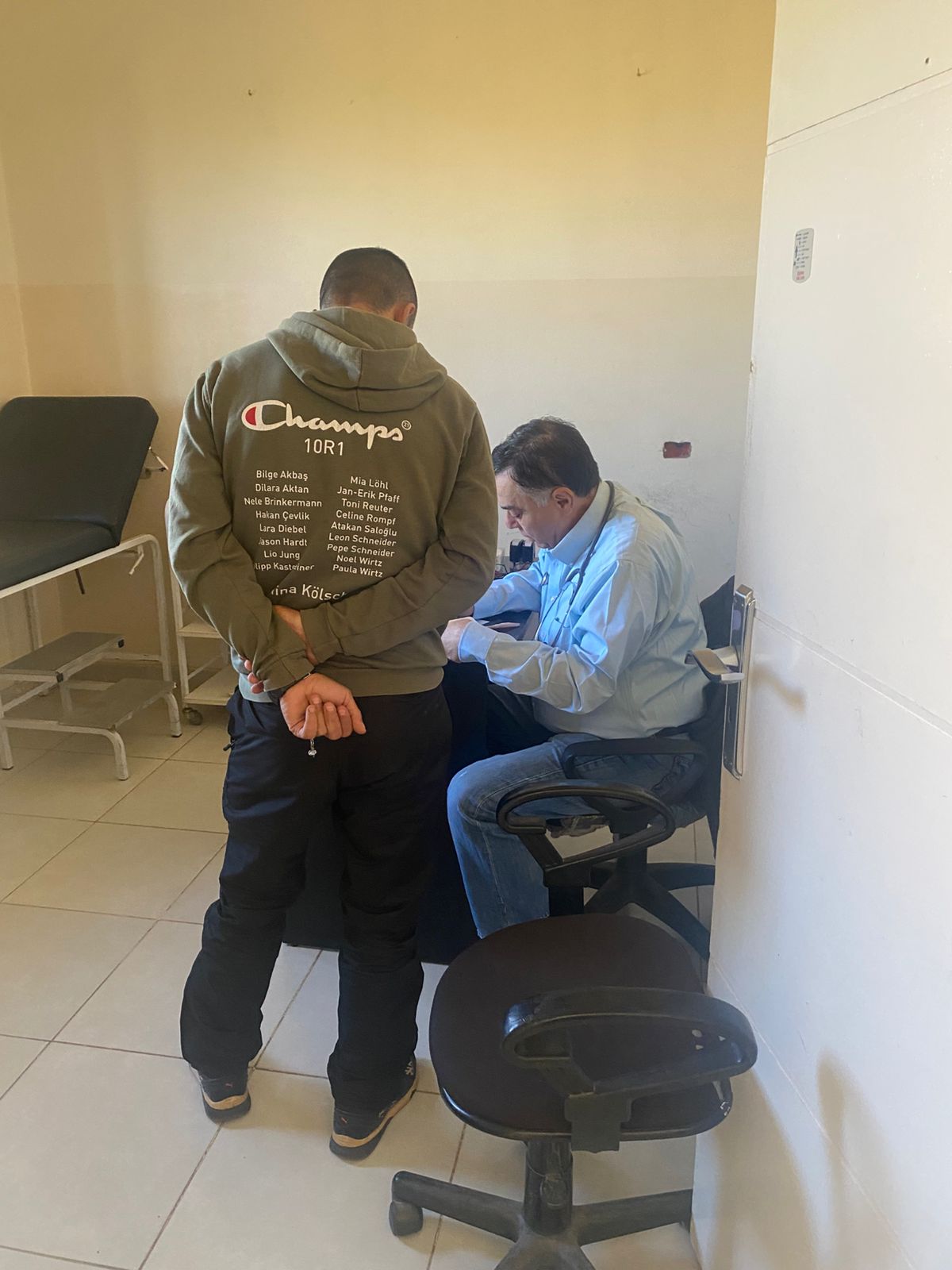
Karim*, a Lebanese man living with a physical disability shared his experience:
Coming here made things easier for me. It is important to have a place like this in the community, where everyone can receive support.
By May 2026, the ten supported SDCs had provided services to 5,235 people, including 3,632 Lebanese nationals, 1,598 Syrian refugees and five people of other nationalities, reflecting their role in serving vulnerable communities regardless of origin.
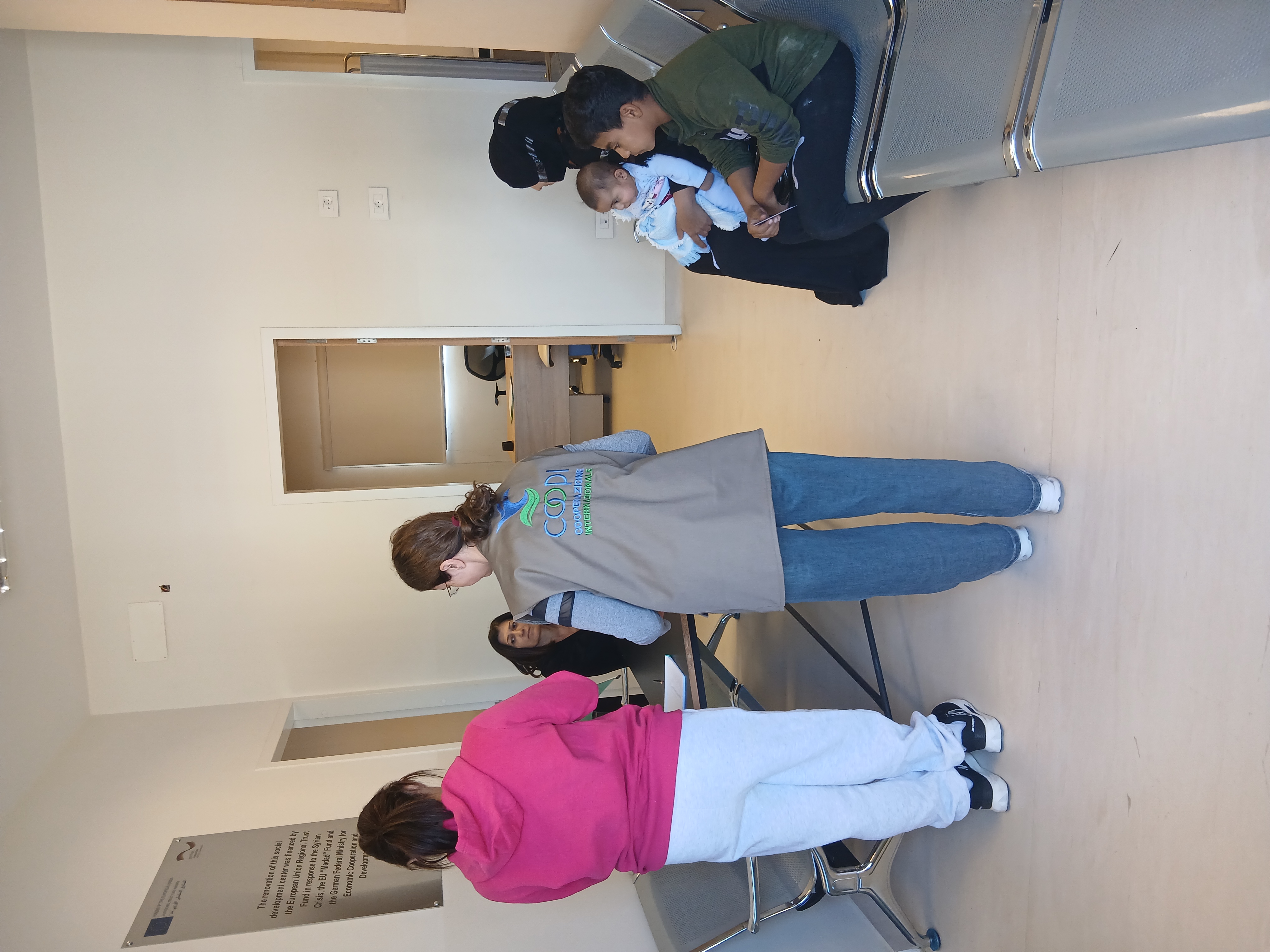
Through technical assistance, financial support, and close coordination withAICS and the SDCs, COOPI is contributing to the long-term strengthening of Lebanon's public social service system, helping local institutions become better equipped to provide health and social assistance to Lebanon's most vulnerable residents.
---
COOPI has been working in Lebanon since 2013, where it supports Syrian refugees and host communities – particularly women and children – through projects focused on child protection, improving sanitation and hygiene, and the socio-economic empowerment of the population.
* Fictitious name