SHARE


 Mauritania
19-05-2026 | di COOPI
Mauritania. Agricultural infrastructure and community participation: the HIMO approach
18 infrastructures have already been completed or are currently under construction in the departments of Néma, Amourj and Adel Bagrou in the Hodh El Chargui region, in south-eastern Mauritania, as part of the project “PRODEVELOP: Promoting local economic development and peace through an inclusive strategy to support the livestock and agriculture sectors in Mauritania, Wilaya de Hodh El Chargui”, launched in 2022 by COOPI – Cooperazione Internazionale – ETS together with local partners SOS Désert and AMAPV and funded by the Fondation Facilité Sahel.
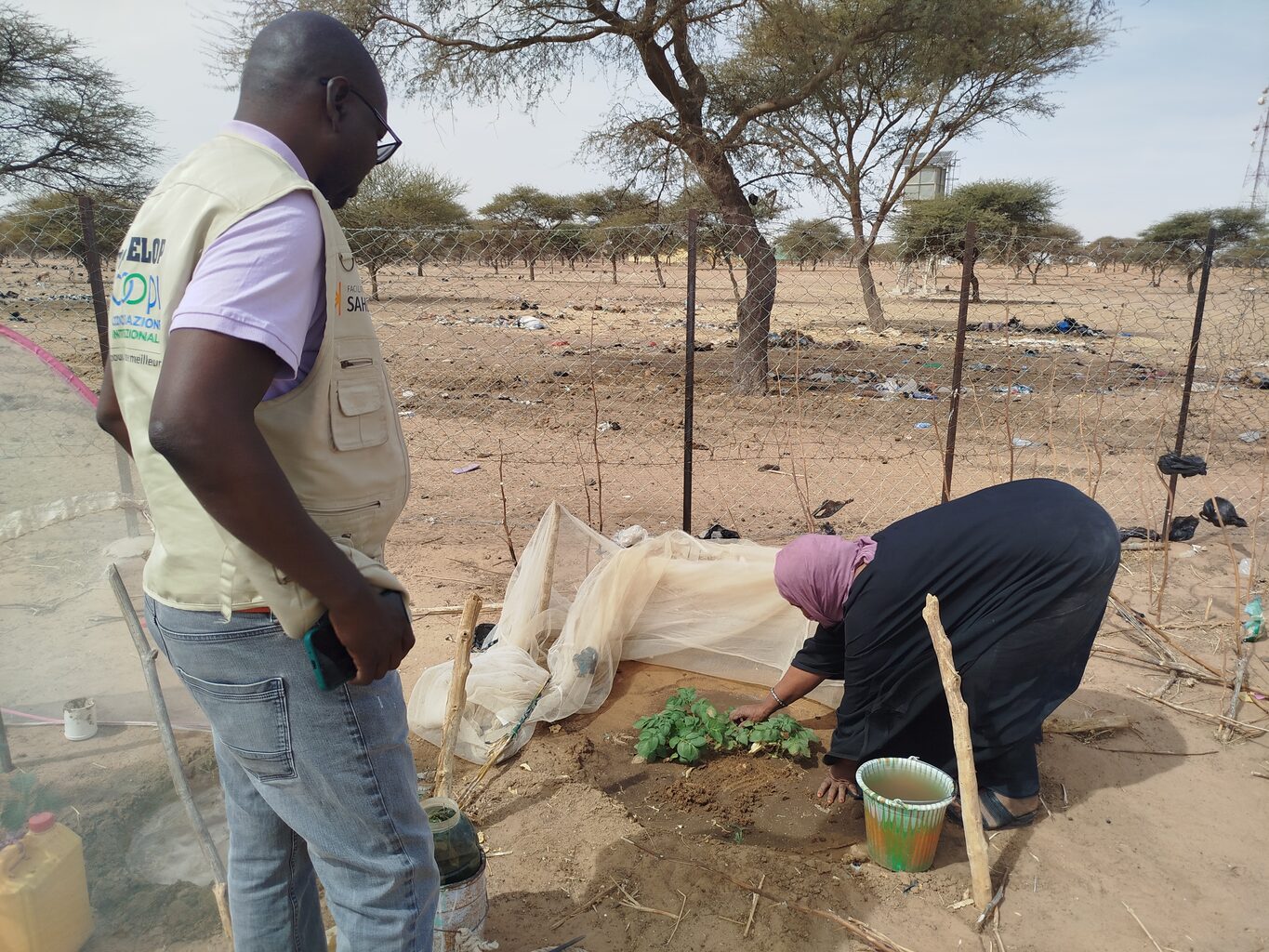
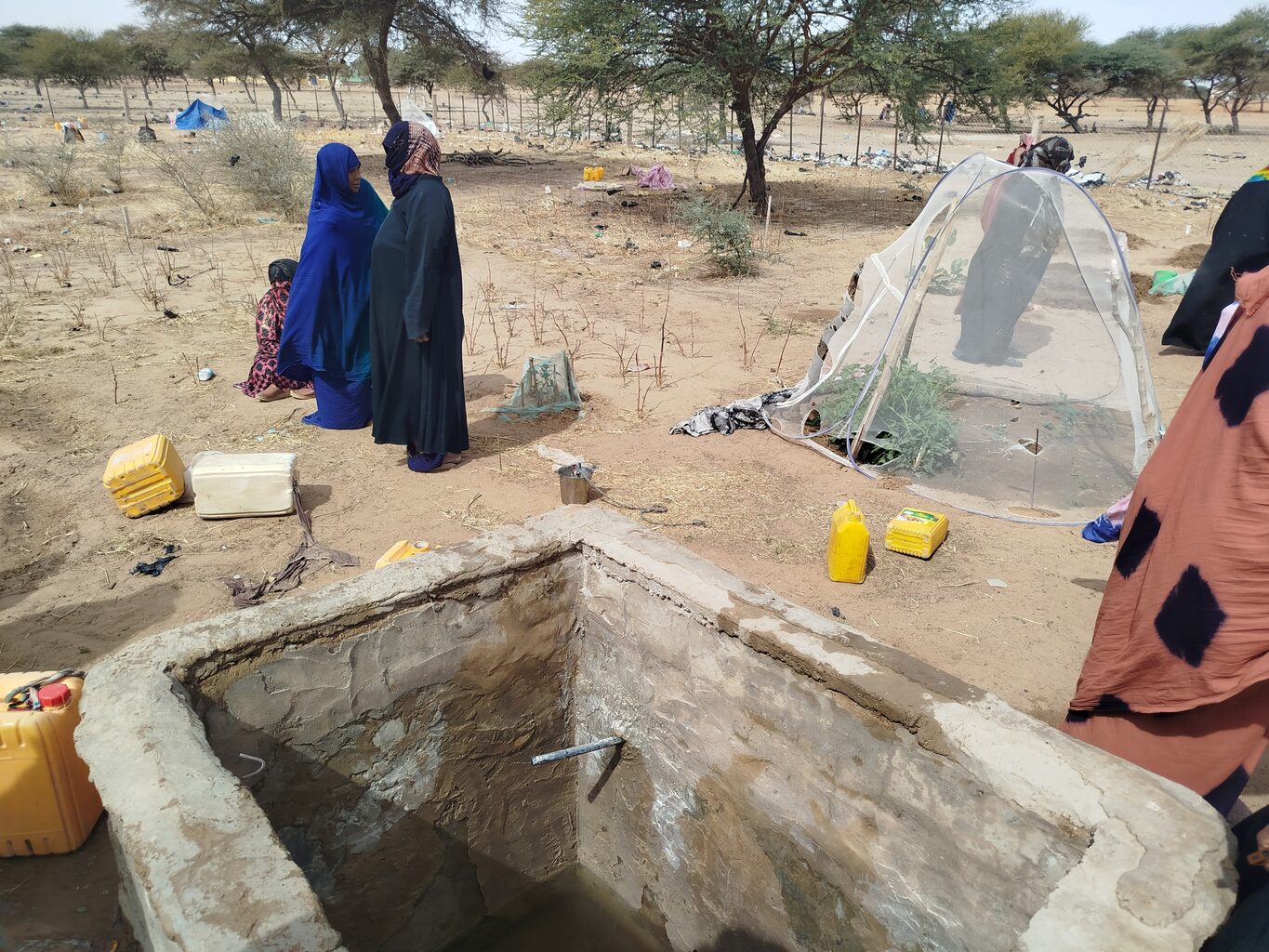
Among the works already completed or underway are eight rehabilitated or newly built dams, two vaccination parks, one veterinary pharmacy and seven agricultural areas protected against animal intrusion. In total, 24 infrastructures will be completed by the end of the project.
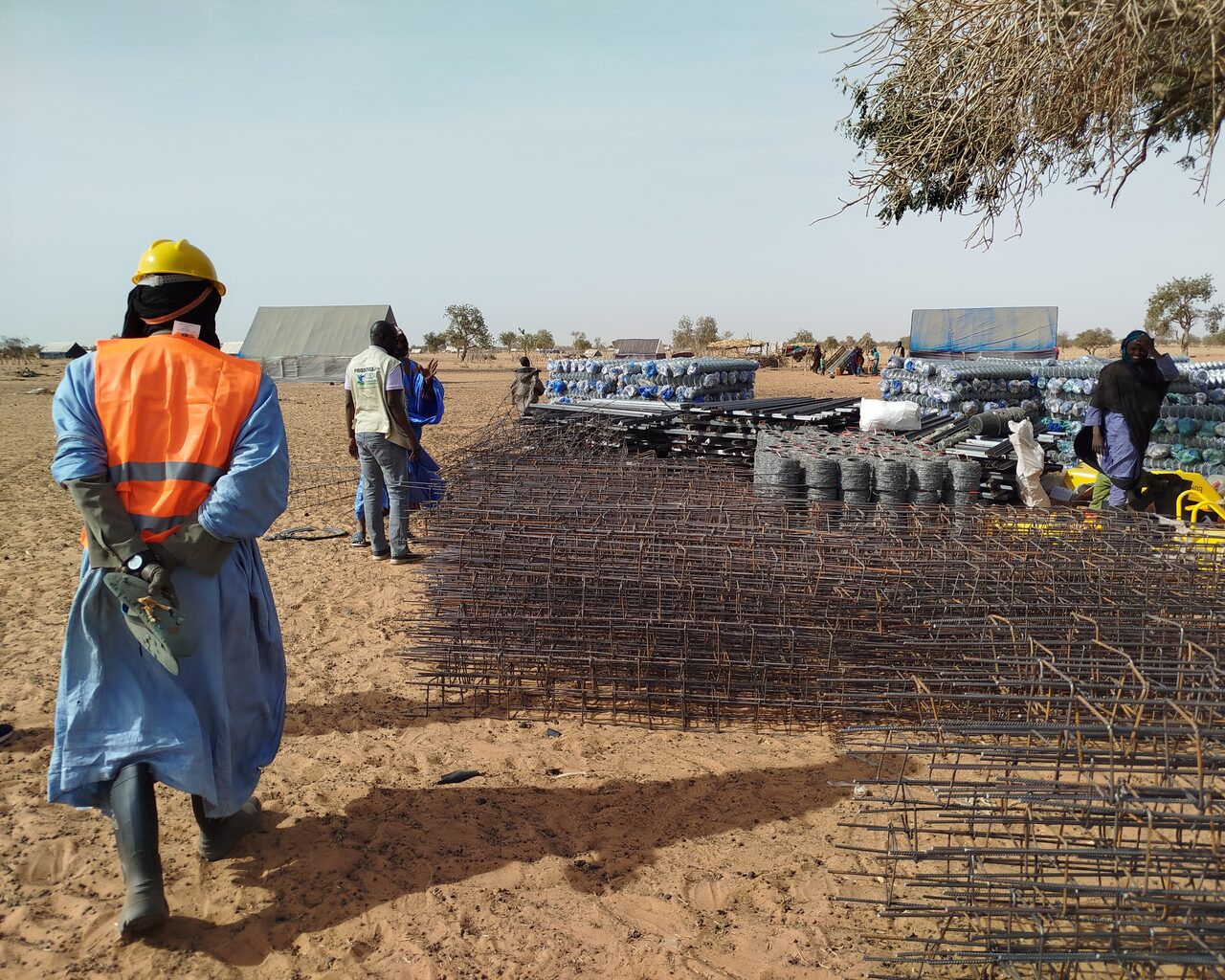
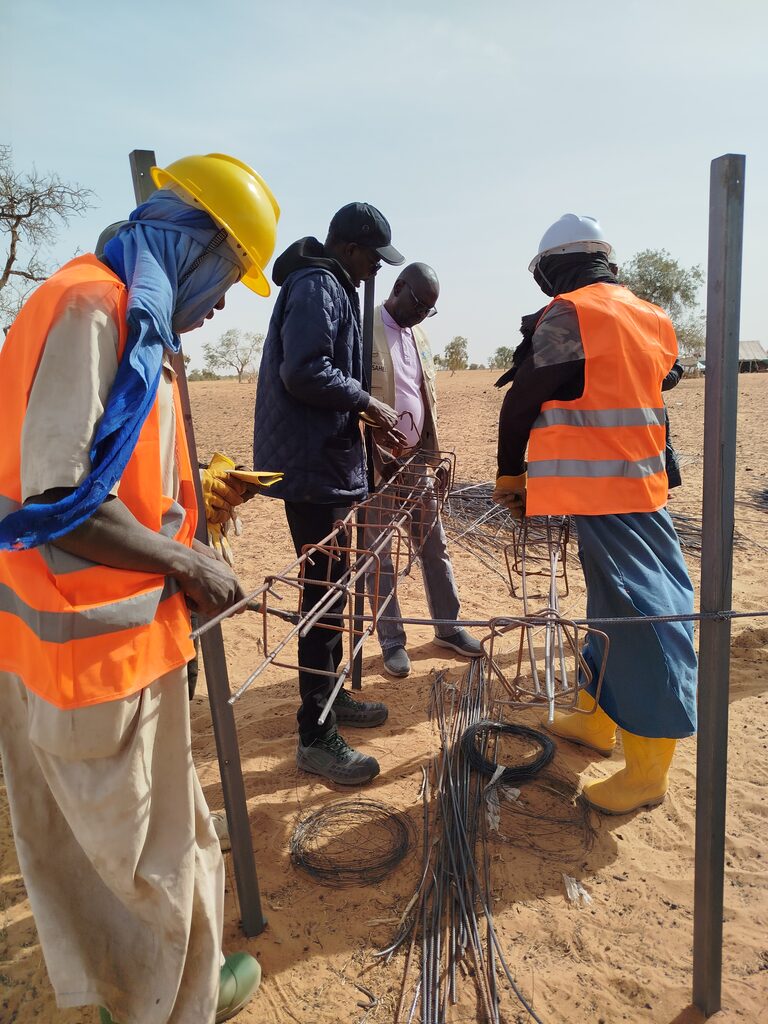
What mainly characterises the intervention is the HIMO approach (Haute Intensité de Main d’Œuvre – high labour intensity), applied to 12 of the planned infrastructures. This method aims to value local labour by directly involving communities in the construction of infrastructure, generating employment and strengthening local technical capacities.
The value of local work
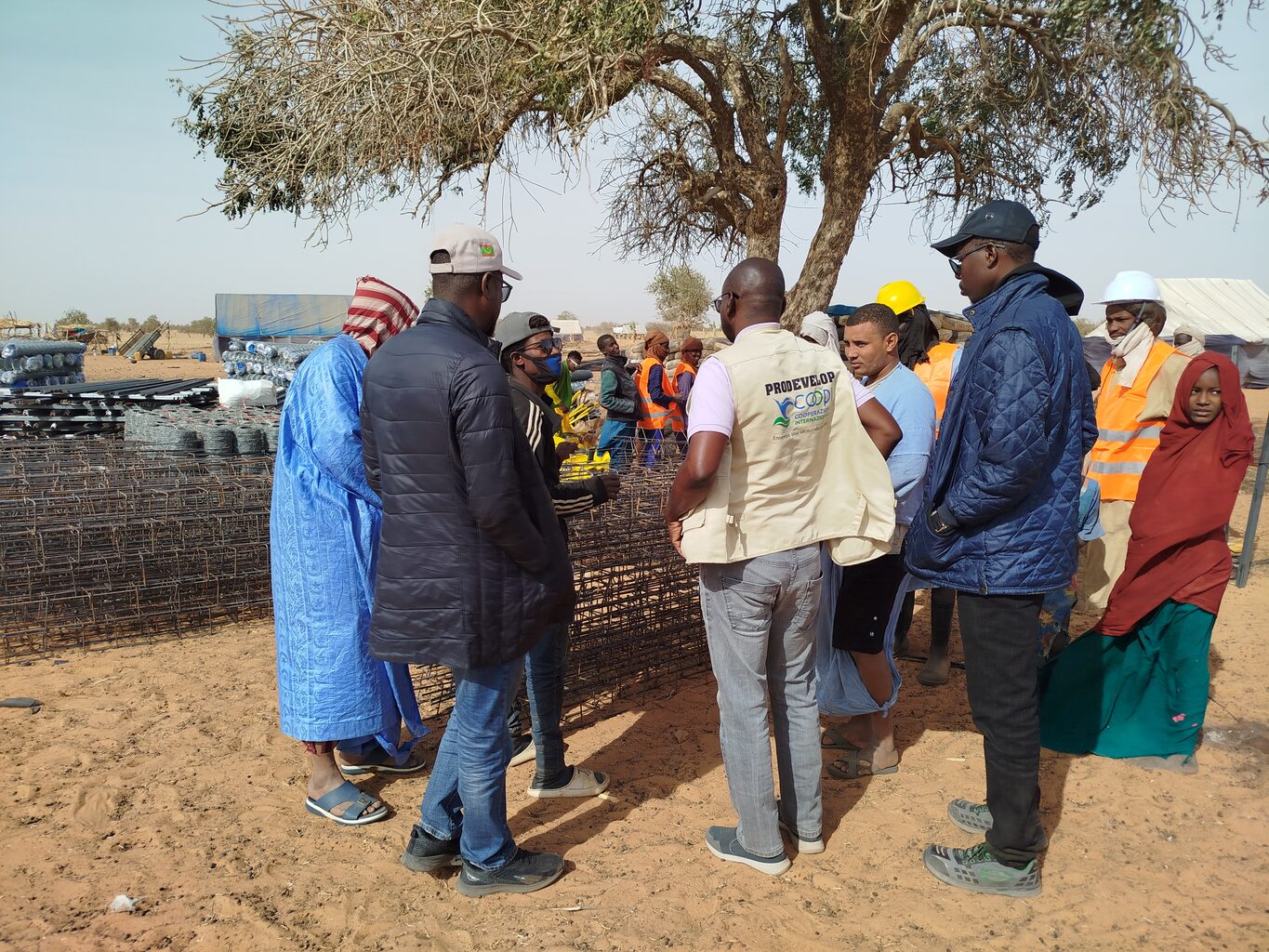
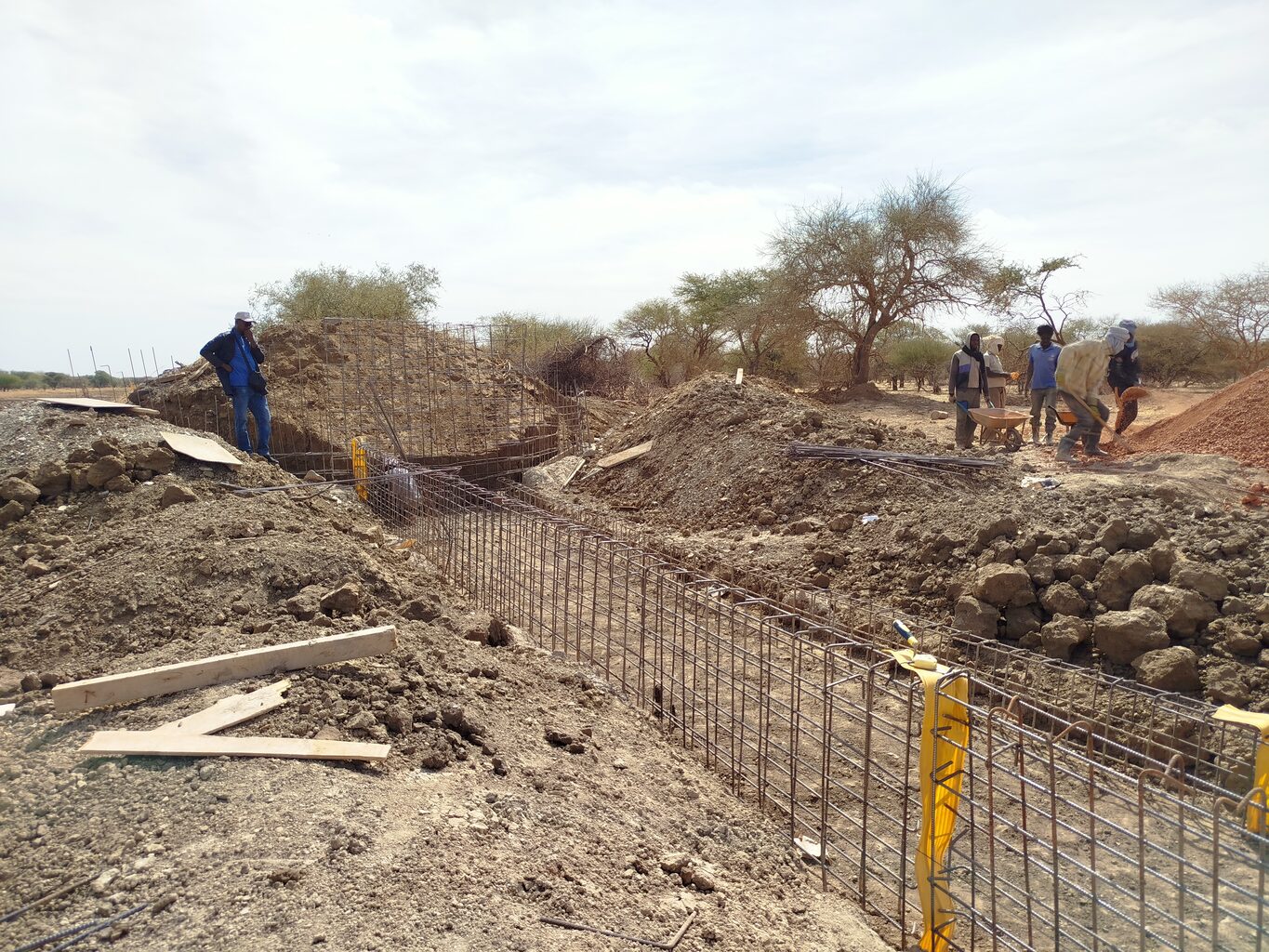
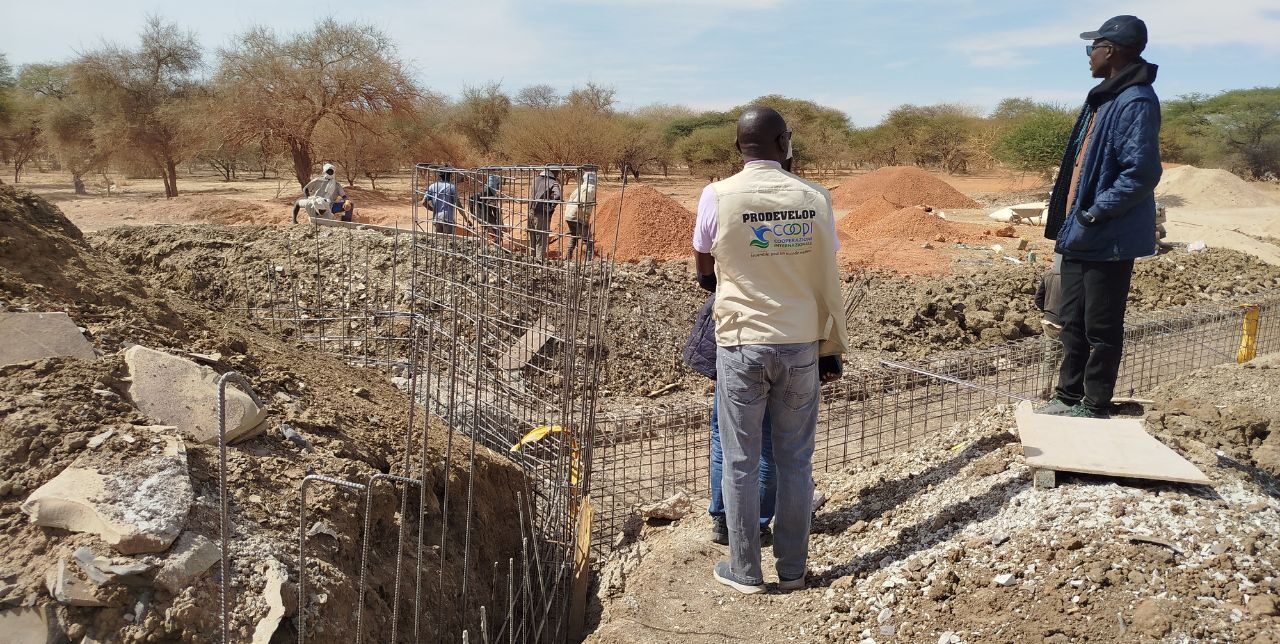
Before the start of works, communities, organisations and local authorities were involved in a participatory planning process to identify intervention priorities and the infrastructures to be built. Today, the communities involved directly participate in the works through various activities: collecting and transporting construction materials, preparing the land, masonry work, and stone lining of dams.
The HIMO approach is based on a self-selection process of workers carried out by the communities themselves, supported by COOPI through mediation committees made up of local reference figures. This system ensures transparency and inclusion, encouraging the participation of women, young people and refugees. Community organisations (local associations, youth and women’s groups) also play a key role in organising the works, mobilising residents and raising awareness of working conditions and selection criteria.
Social and economic impact
Beyond its infrastructure impact, the project, thanks to this approach, generates concrete economic and social benefits for the most vulnerable groups. Workers receive €150–160 for each intervention they take part in: a temporary but significant income for low-income households, considering that the minimum wage in Mauritania is around €106. By December 2025, HIMO activities had already generated over 16,000 workdays (man-days).
From a social perspective, the involvement of Malian refugees also represents an important opportunity for local integration and cooperation between communities, with positive effects on social cohesion.
Training and community-based management
Particular attention is also given to training. Before the start of works, participants attend theoretical and practical field sessions on the HIMO approach, coordinated by COOPI’s technical team, which subsequently oversees its implementation. The training, covering both construction techniques and the administrative and financial management of infrastructure, will reach more than 1,500 people by the end of the project.
The infrastructures built will be gradually handed over to community management committees, structured and trained within the project, which will ensure their maintenance and functionality. The aim of COOPI and its partners is to promote full community ownership of the intervention: from participatory planning, to implementation through the HIMO approach, and finally to the long-term management of the infrastructures.
A fragile territory with strong potential
In the Hodh El Chargui region, limited access to natural resources and productive infrastructure directly affects food security in local communities and is often a source of tension and conflict. The region, with its agro-pastoral vocation and peripheral position relative to major political and economic centres, is also particularly exposed to the effects of climate change and the influx of refugees fleeing neighbouring Mali.
Despite these vulnerabilities, the area has significant agricultural, pastoral and commercial potential. In this context, the PRODEVELOP project shows how investing in rural infrastructure and involving communities at all stages of implementation can promote not only economic and productive development, but also social inclusion, community cohesion and sustainable local development.
---
COOPI has been working in Mauritania since 2019 with interventions focused on food security, economic development, rural infrastructure rehabilitation, maternal and child health, and the socio-economic inclusion of the most vulnerable groups, promoting resilience, social cohesion and shared management of natural resources.