SHARE


 Mauritania
16-02-2026 | di COOPI
Mauritania: food security, health and protection to respond to the crisis in Hodh El Chargui
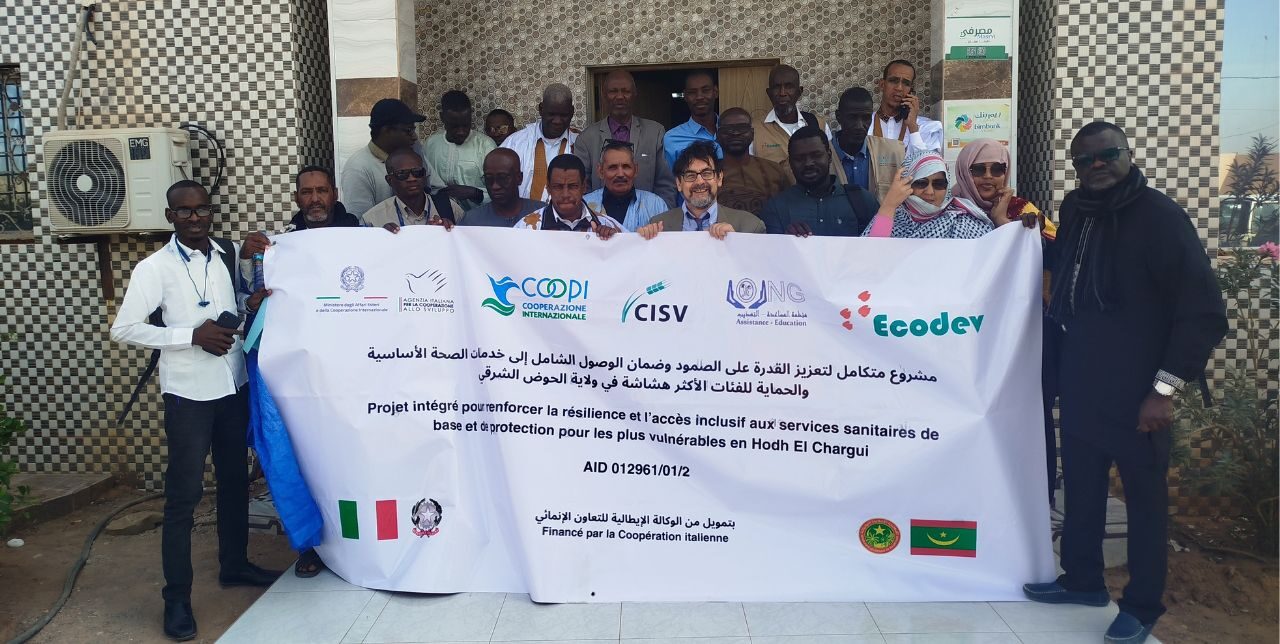
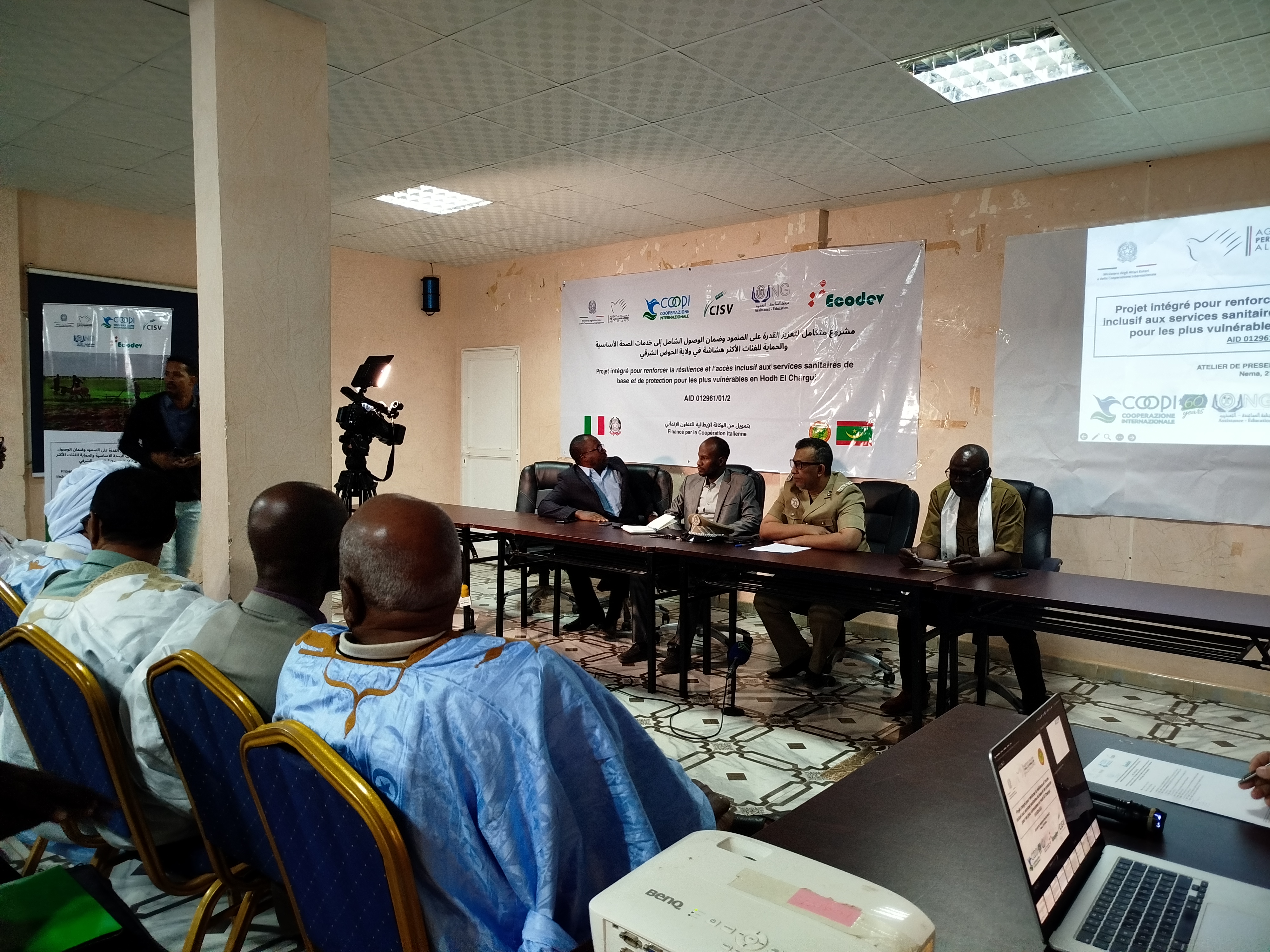
On Wednesday 21 January, the official launch event for project AID 012961/01/2, “Integrated project to strengthen resilience and inclusive access to basic health and protection services for the most vulnerable in Hodh El Chargui”, was held in Nema, the regional capital of Hodh El Chargui (Mauritania).
The intervention, funded by Italian Cooperation, is implemented by a consortium composed of COOPI - Cooperazione Internazionale and CISV - Comunità Impegno Servizio Volontariato in partnership with the Mauritanian NGOs Assistance Education and ECODEV. In dialogue with political and administrative authorities, state technical services, partners and representatives of local communities, the consortium outlined the context of the intervention, the main objectives of the project and the planned activities.
The south-eastern region of Hodh El Chargui, where the project is being implemented, is the largest in the country, with a population living mainly in rural areas and engaged in agricultural and pastoral activities. Over 77% of the region's inhabitants live in multidimensional poverty, with significant deprivation in terms of health and nutrition, education and living standards, including access to water and sanitation. The region also has high levels of chronic global malnutrition, with an overall rate of 39% among children under 5. Mauritania is also severely affected by climate change, desertification and soil degradation, which threaten agriculture, water resources and infrastructure. Harmful human practices and conflicts over resources exacerbate the situation, putting the food and nutritional security of the population at risk, especially in areas such as Hodh El Chargui.
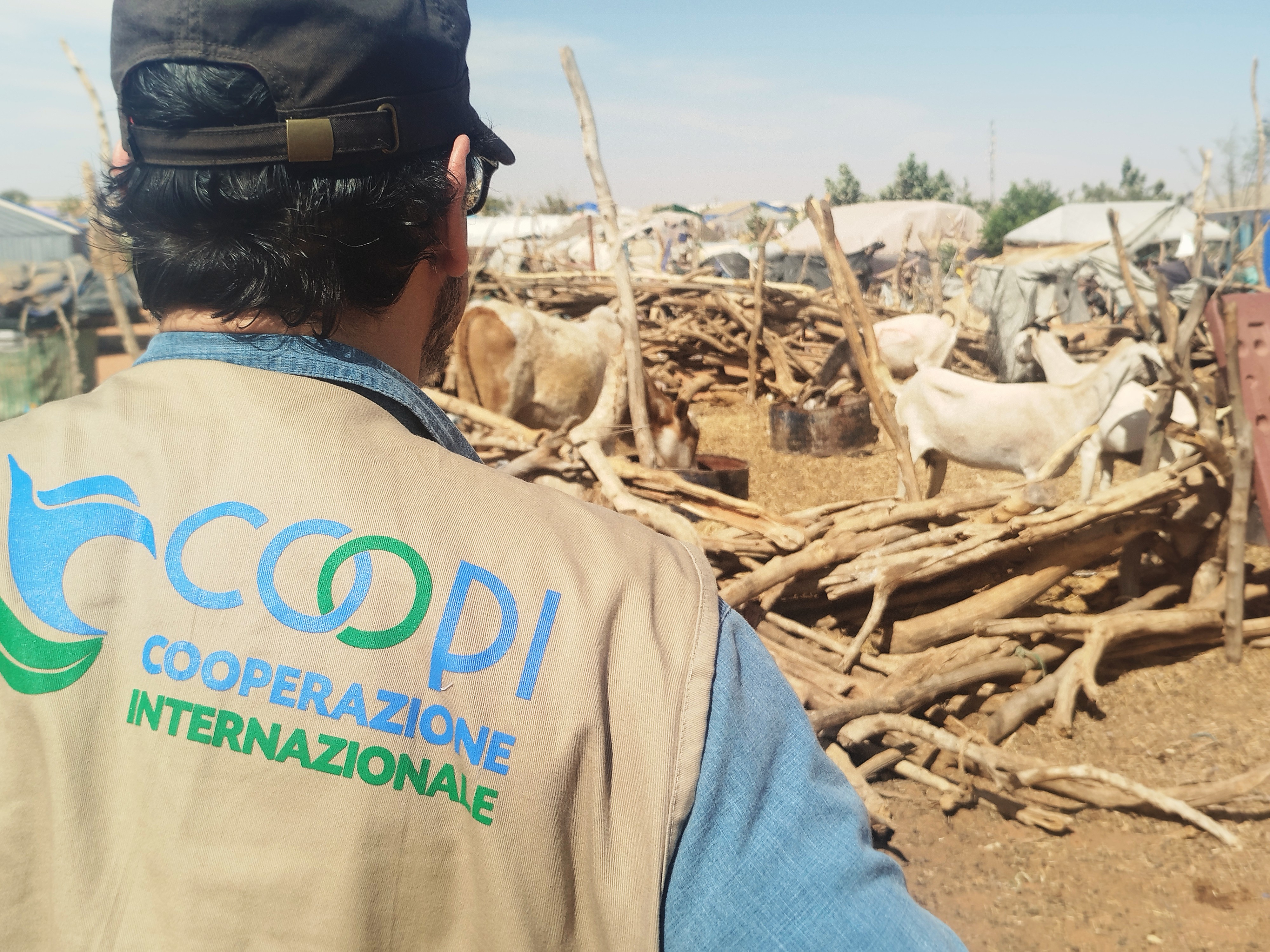
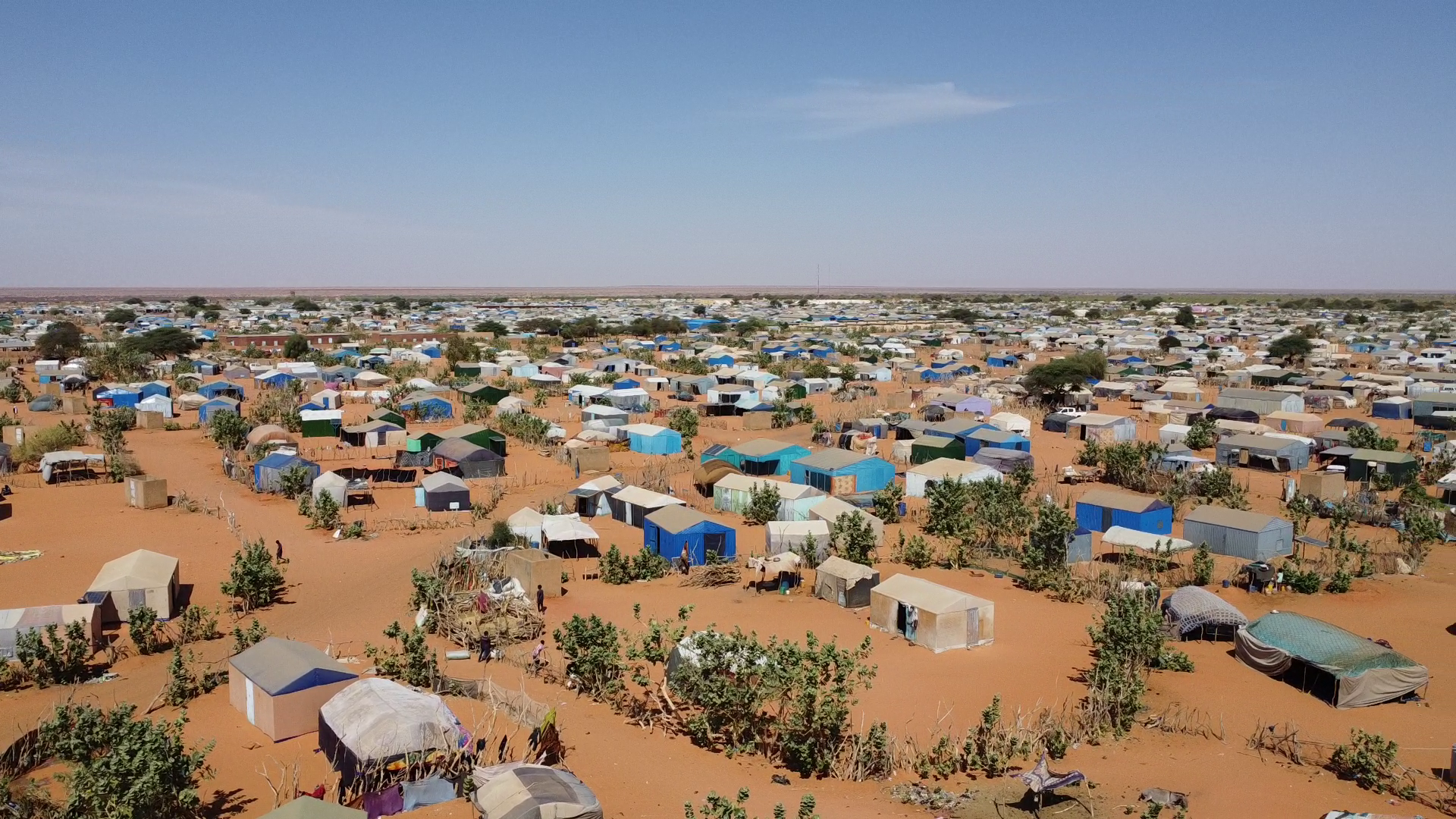
The region is also home to the Mberra refugee camp, which currently hosts more than 120,000 people fleeing neighbouring Mali (out of approximately 300,000 in the country), the vast majority of whom are women and children. In the last three months alone, another 8,000 people have crossed the border due to the progressive deterioration of the situation in north-central Mali.
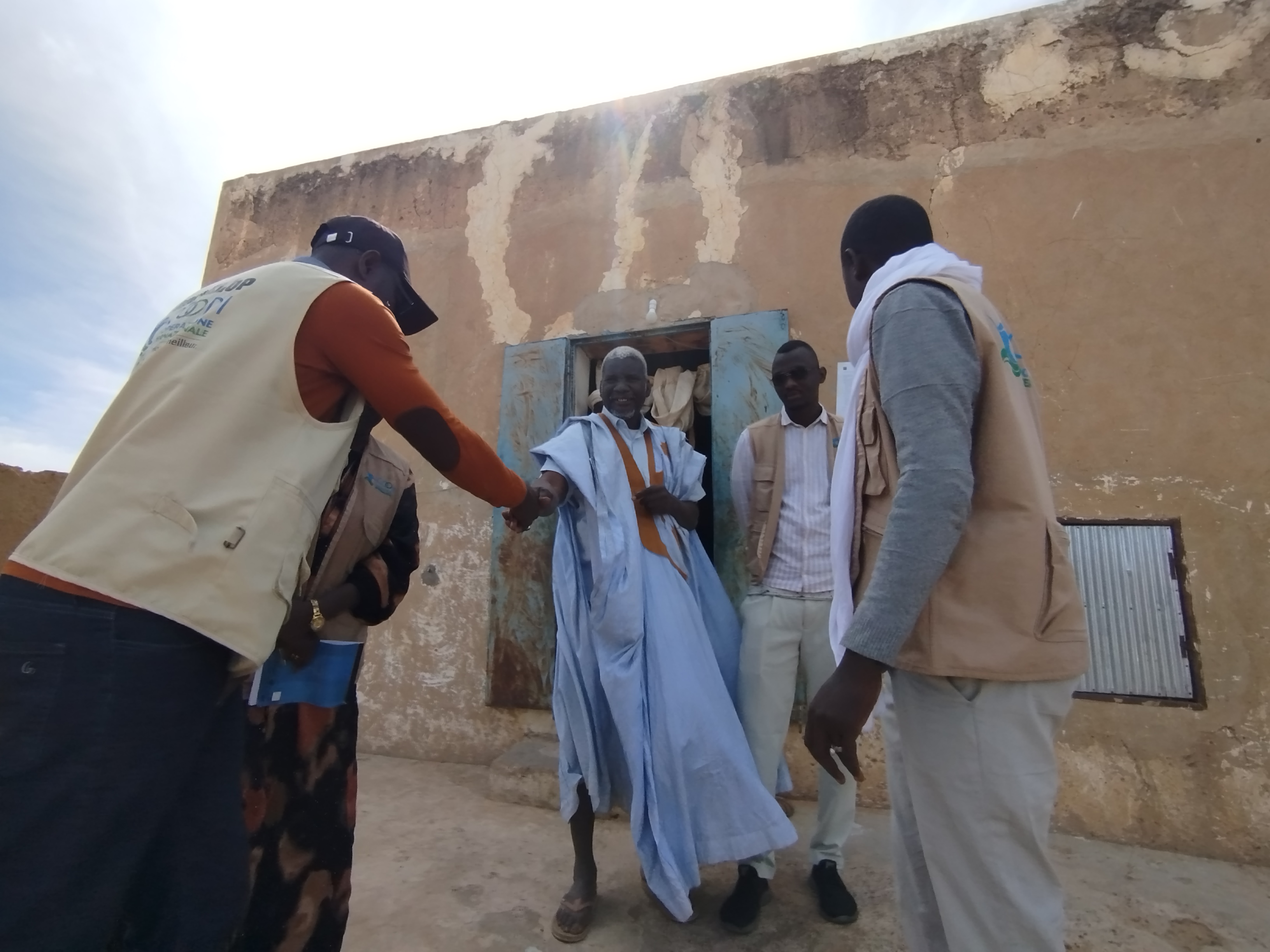
The consortium, led by COOPI, will therefore intervene in Hodh El Chargui in response to the urgent needs of refugees, returnees and host communities through a multisectoral approach that integrates interventions in food security, access to water, health and protection. In order to bring about a lasting improvement in the living conditions of the most vulnerable communities, the project also aims to strengthen the resilience and autonomy of the populations involved, promoting the inclusion of women and persons with disabilities. Key activities include the distribution of seeds, livestock and hygiene and nutrition kits, the creation of community gardens, the rehabilitation of water systems, interventions for the prevention and diagnosis of malnutrition, and holistic care for women and children who are victims of trafficking or violence. The activities will be accompanied by training and community awareness campaigns on agroecology, health, hygiene, gender issues and human rights. In addition, the creation of community committees for conflict management and the strengthening of social cohesion plays a central role in the project. The project, which is expected to last 18 months, will reach over 16,500 people in the departments of Amourj, Adel Bagrou, Djiguenni and Bassikonou, where the Mberra refugee camp is located.
The launch of the project was greeted with enthusiasm by those present. The participants thanked Italian Cooperation for its contribution and recalled how collective commitment and community leadership are the necessary drivers of change.
On the sidelines of the event, Abdoul-Aziz, a refugee in Mauritania since 2012 and now president of the Coordination of Young Residents in the Mberra camp, recalled the numerous development initiatives carried out by the communities themselves:
Being a refugee is not an impediment, it is not the end: you can be a refugee and remain resilient. You can bring about change somewhere in your life, somewhere in the world.
These words reflect the commitment of the consortium led by COOPI: to strengthen community ownership and the sustainability of the intervention, enhancing the active role of the populations involved as a way to promote lasting change.
----
COOPI has been operating in Mauritania since 2019 with interventions in economic development and support for small productive activities, promotion of food and nutritional security, rehabilitation of rural infrastructure, maternal and child health, and socio-economic integration of the most vulnerable groups. Thanks to a multisectoral and participatory approach, COOPI aims to strengthen the autonomy of refugees and host communities, preventing conflicts related to natural resource management, promoting social cohesion and equal opportunities, and strengthening the resilience of the population in the face of the consequences of climate change.