SHARE


 Mauritania
30-03-2026 | di COOPI
Mauritania: In Hodh El Chargui, community participation drives local development
Engaging communities in identifying the actions to be implemented as a strategy for project ownership and sustainability: this is the innovative approach adopted by the consortium led by COOPI – Cooperazione Internazionale in the development of a five-year intervention in the Hodh El Chargui region (wilaya) of Mauritania, in the far southeast of the country. This is a territory of over 625,000 inhabitants, primarily engaged in agropastoral activities and trade, but where natural resources and productive infrastructure are scarce. The territory of Hodh El Chargui is particularly vulnerable to climate change, as well as to the continuous influx of people fleeing the ongoing conflict in neighboring Mali.
The “PRODEVELOP: Promoting Local Economic Development and Peace through an inclusive strategy to support the livestock and agriculture sectors in Mauritania, Wilaya de Hodh El Chargui” project, funded by the Facilité Sahel Foundation, was launched in November 2022 and will conclude in October 2027. These five years are dedicated to the construction of basic productive infrastructure, agro-pastoral development and conflict prevention, but not only: COOPI, together with the Mauritanian NGOs SOS Désert and AMAPV, has placed the promotion of community priorities as a preliminary and cross-cutting strategy throughout the intervention.
Phase 1: participatory planning
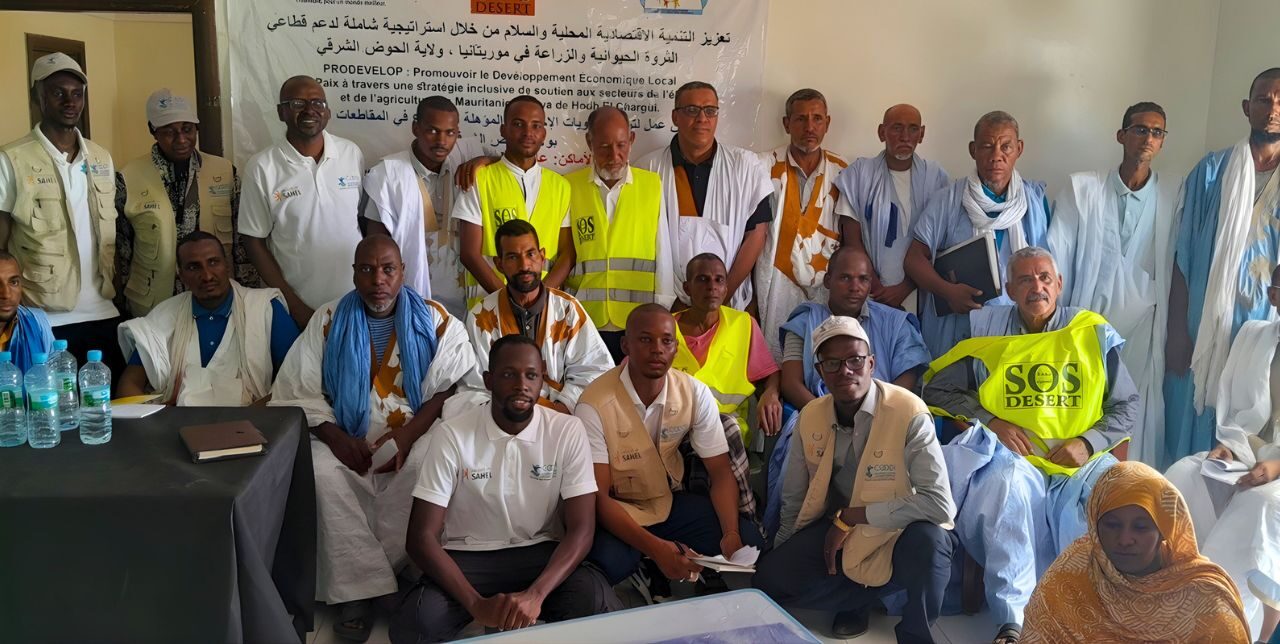
The first phase of the project was, indeed, entirely dedicated to planning activities on a community basis, with a key role played by the inhabitants of the targeted areas. In the first months, more than 400 people were mobilised across 18 municipalities in the moughataas of Nema, Abdel Bagrou and Amourj. Political representatives, state technical services, village chiefs, civil society, representatives of young people, women and NGOs discussed the needs of the territory, resulting in a list of over 500 identified actions. The consultations revealed very specific needs: access to water for agriculture and livestock, support for agricultural production, identification of sustainable natural resources management methods, and better economic opportunities for young people.
Phase 2: priority setting
Subsequently, the PRODEVELOP consortium organised three meetings – one for each provincial capital – attended by over 100 people representing local government and civil society. These days of discussion and exchange enabled the prioritisation of the identified actions, taking into account their impact, feasibility and consistency with local development plans.
Phase 3: approval and launch of activities
Finally, the proposal was submitted for technical and political approval to the regional administration, which also verified the consistency and complementarity of the planned actions with projects already underway in the territory. The consortium was thus able to begin the construction phase of 24 agro-pastoral infrastructure projects – including wells, dams, livestock vaccination facilities, solar-powered water pumps and agricultural perimeters – which will benefit over 24,000 people.
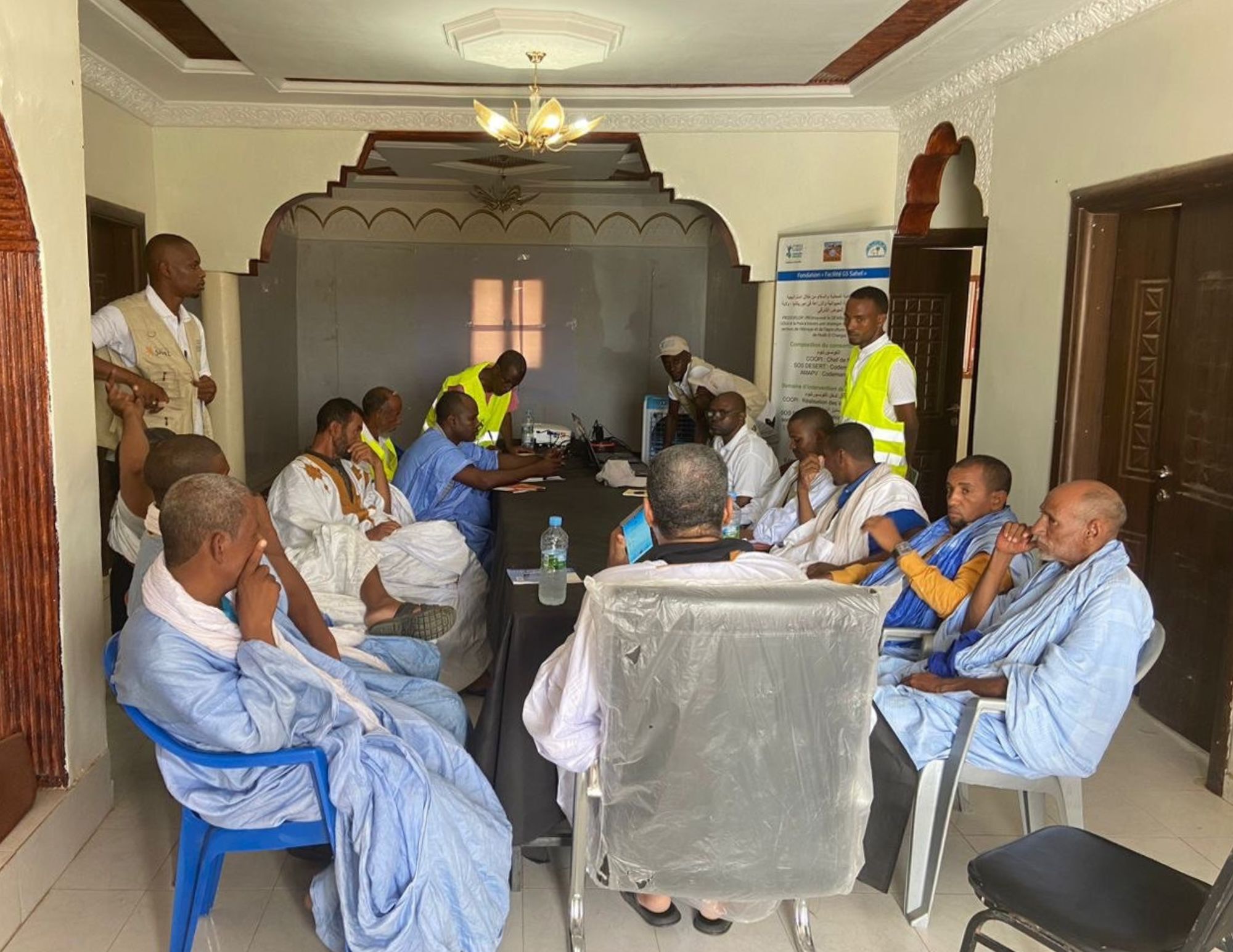
This structured process, based on the maximum stakeholders involvement, represented a crucial step in ensuring that the activities currently underway genuinely respond to local needs and can be sustainable over time. The approach adopted by COOPI is not merely a methodological choice but an essential strategy, to be integrated into all phases of the project to foster lasting change.
---
COOPI has been operating in Mauritania since 2019, with interventions in economic development and support to small-scale productive activities, promotion of food and nutritional security, rehabilitation of rural infrastructure, maternal and child health, and socio-economic inclusion of the most vulnerable groups. Through a multi-sectoral and participatory approach, COOPI aims to strengthen the autonomy of refugees and host communities, prevent conflicts related to natural resources management, promote social cohesion and equal opportunities, and enhance the population’s resilience to the consequences of climate change.