SHARE


 Niger
31-08-2026 | di COOPI
Niger. Building peace through the empowerment of youth, women, and girls in Agadez
Located at the crossroads of migration routes and mining activities, the Agadez region in Niger has faced complex challenges for several years. Illicit trafficking, drug use, youth unemployment, gender-based violence, and tensions surrounding mining resources weaken the social fabric and limit development prospects for communities, particularly youth and women.
It is in this context that the project "Addressing and preventing conflict drivers related to trafficking, drug consumption, and mining resource management issues in Agadez"—funded by the United Nations Peacebuilding Fund (PBF) and implemented by IOM and COOPI- Cooperazione Internazionale—supports the population of the departments of Agadez, Arlit, Aderbissinat, and Ingall to strengthen social cohesion, prevent conflicts, and offer sustainable alternatives to the most vulnerable.
The project contributed to strengthening the engagement of community actors by providing them with the necessary skills and tools to become agents of change within their communities. Particular attention was given to boosting employability and economic empowerment for youth and women, including migrants, to facilitate their insertion and integration into the local economic fabric.
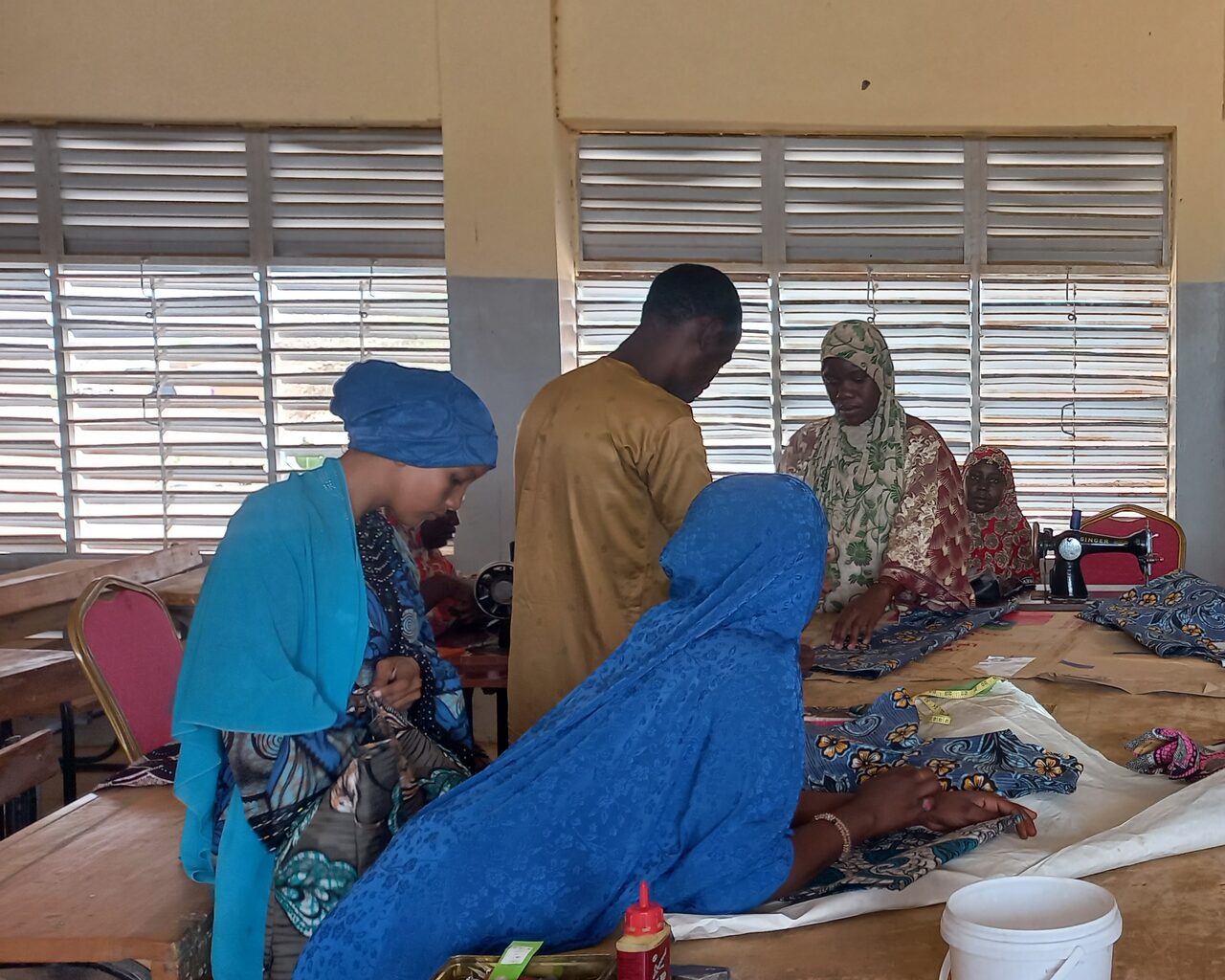
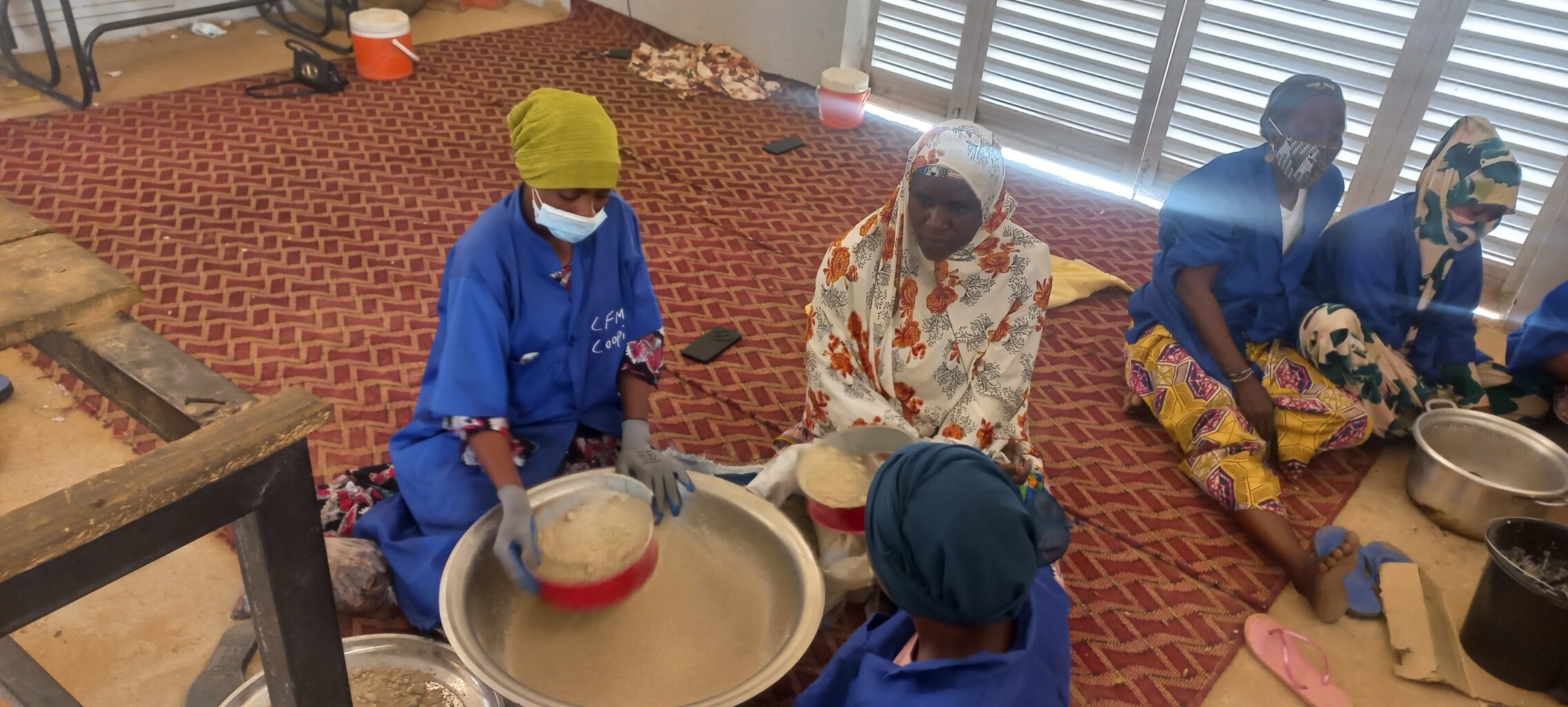
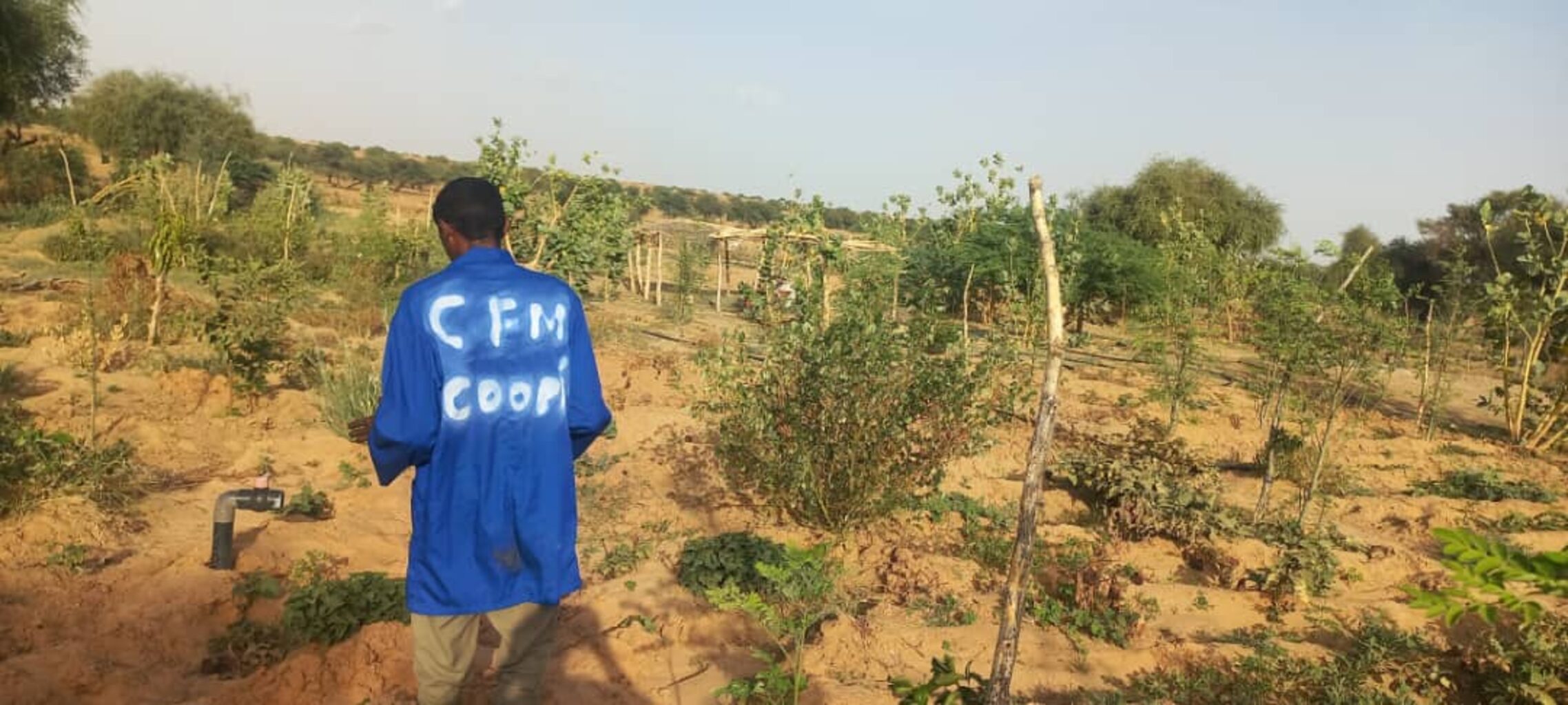
In March 2026, 151 youth, women, and girls were trained in the GERME approach (Gérer Mieux mon Entreprise / Start and Improve Your Business), supplemented for some with vocational training in June–July 2026 that met local market needs—specifically in tailoring, food processing, market gardening, welding, IT, and plumbing. These trainings allowed participants to enhance their skills, expand their income-generating activities (IGAs), and explore new economic opportunities. In addition to receiving specific advice tailored to their chosen professional sector, participants acquired practical knowledge regarding business opportunity identification, pricing, marketing techniques, financial and administrative management, stock management, and customer relations. As a result, participants now have greater means to turn their ideas into economic activities and build sustainable prospects within their communities.
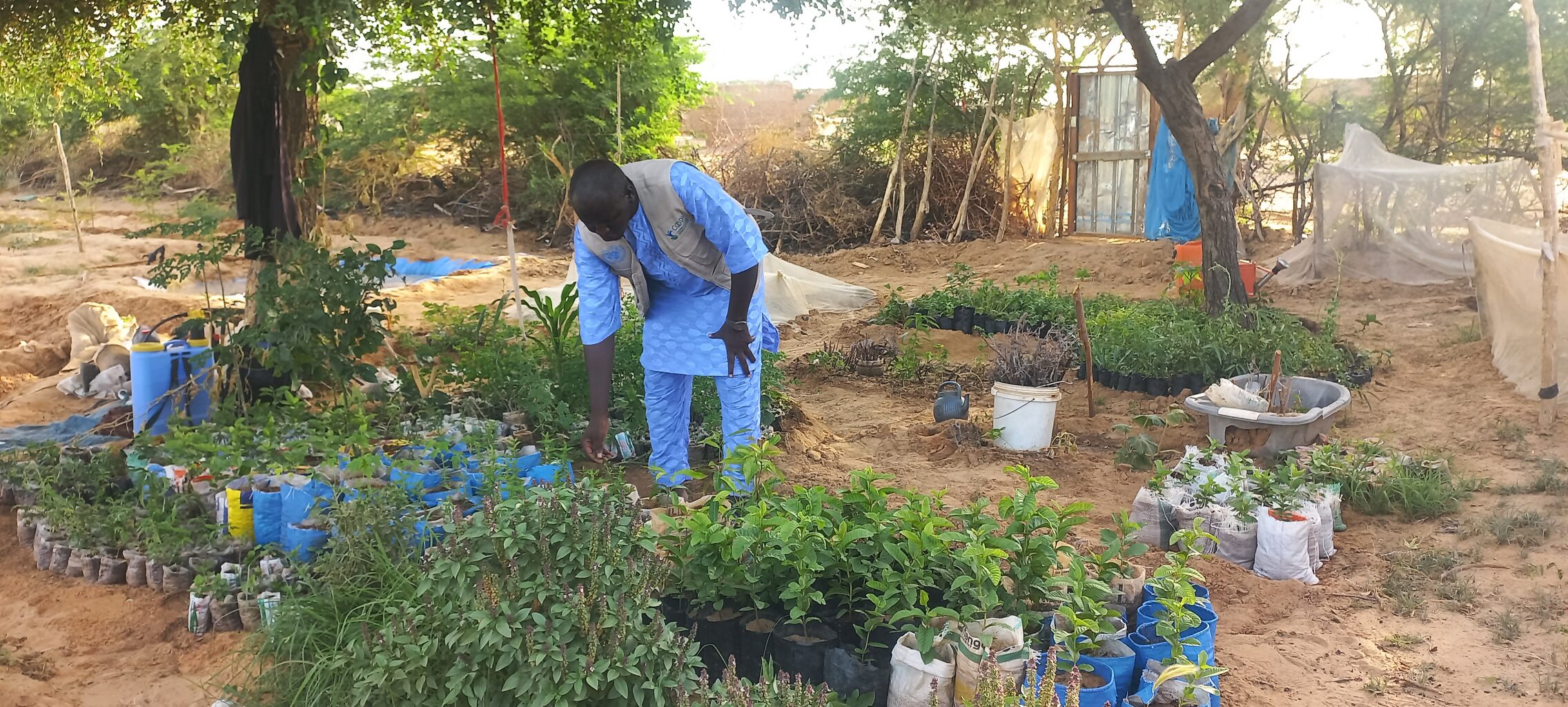
In Aderbissinat, Mohamed Aghali, a long-time market gardener, testifies to the changes brought about by the project:
I have been working in market gardening for many years, but I had never received technical training. I was unfamiliar with best practices, particularly setting up nurseries, and my yields were becoming less and less productive. At one point, I even considered leaving my town to migrate elsewhere, as my activity could no longer support me properly. Thanks to the market gardening training organized by COOPI through the Vocational Training Center, I learned new techniques that completely changed the way I work. Today, my garden is more productive, and I look to the future with much more hope.
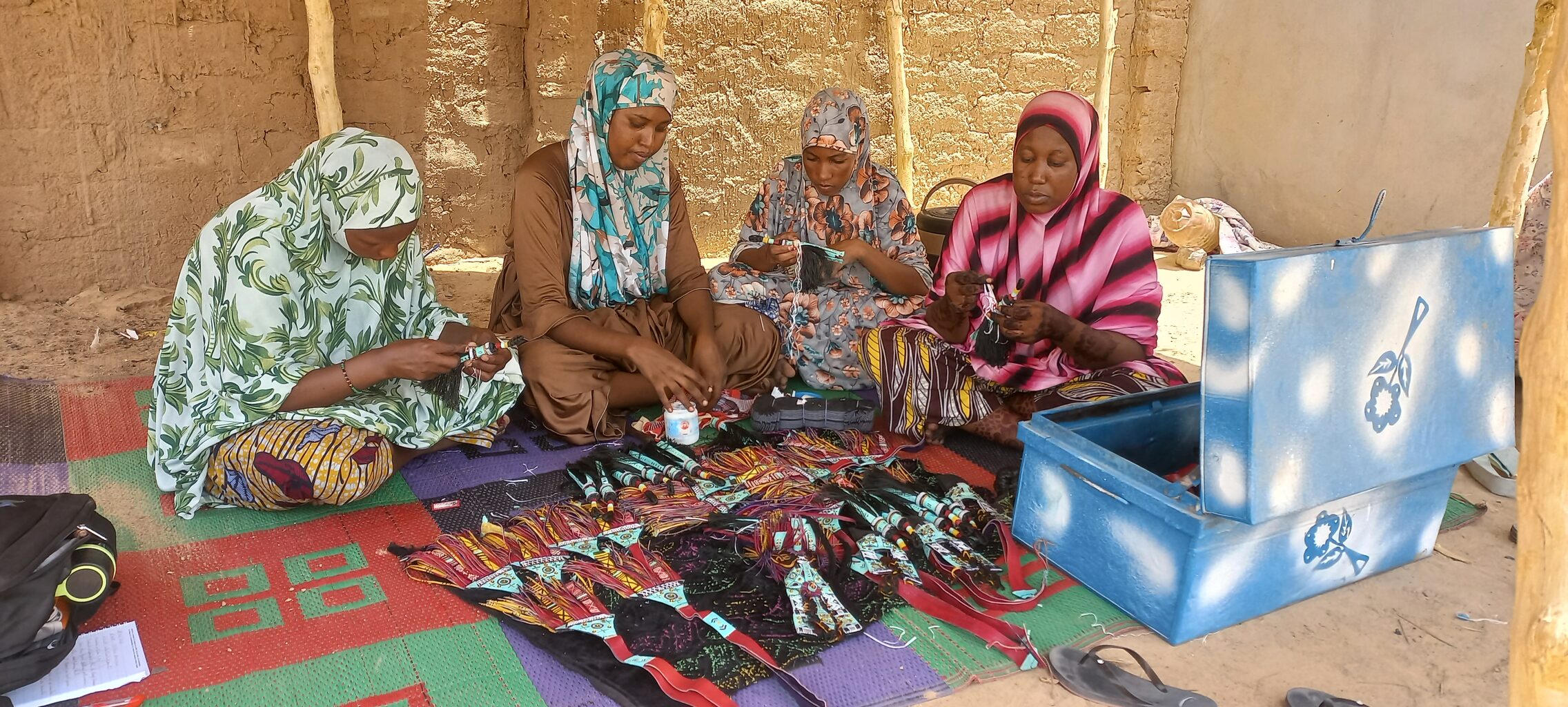
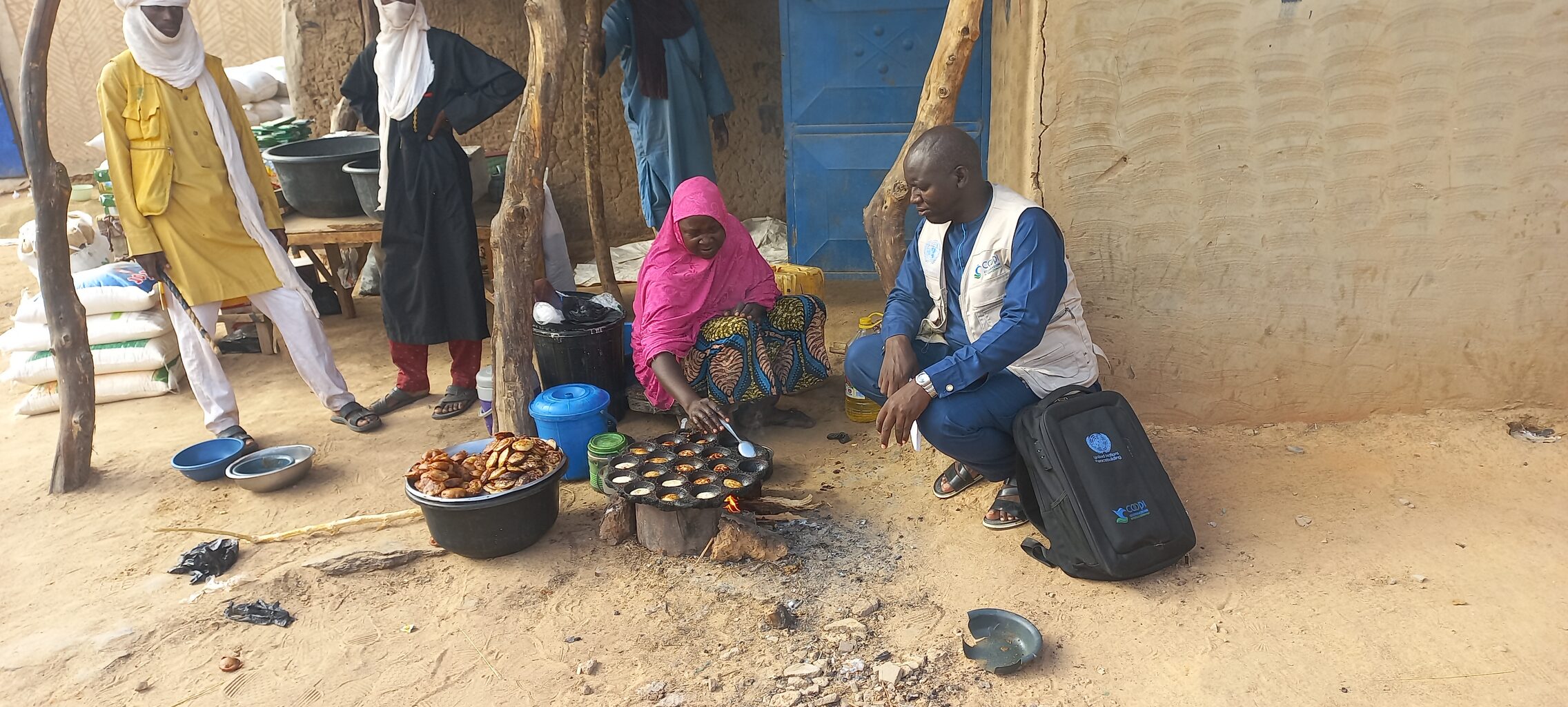
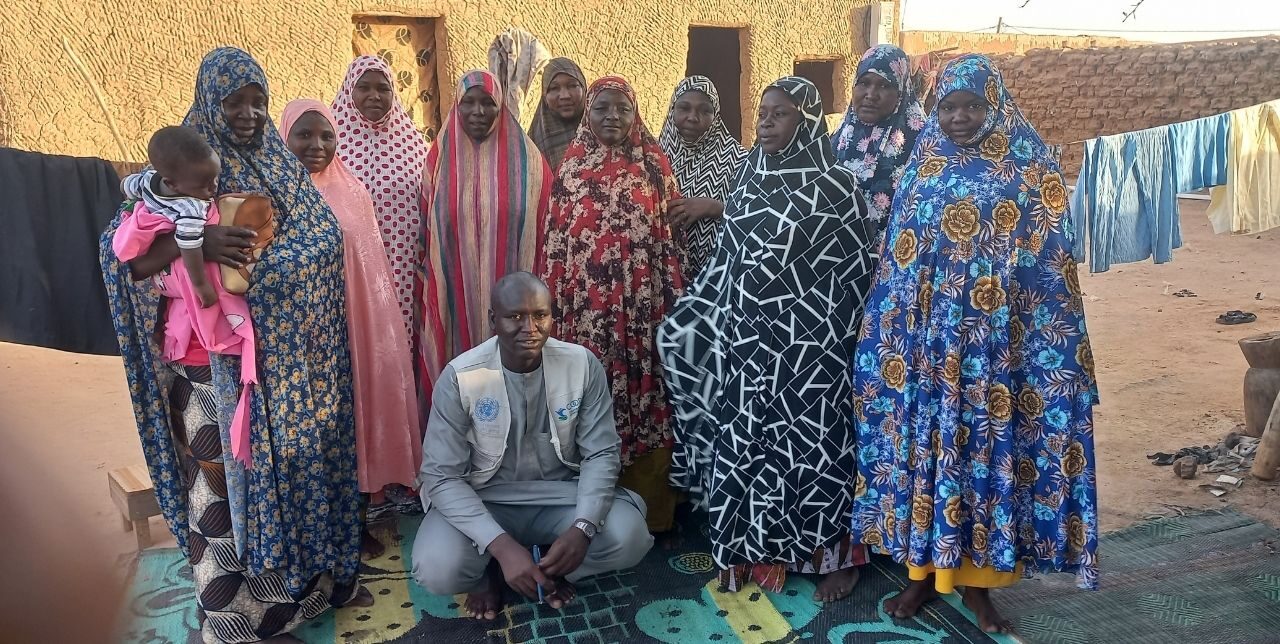
At the same time, the project helped strengthen the economic autonomy of 51 women's cooperative societies (SCOOPs), bringing together nearly 2,300 women and girls engaged in IGAs. These groups benefited from financial support and training on cooperative governance principles, governing bodies, and administrative management procedures. This support yielded tangible results regarding income and activity diversification: for some beneficiaries, net income doubled or even tripled, enabling them to better meet members' needs and reinvest in expanding their activities. The experience of the "Femmes Debout" SCOOP in Aderbissinat illustrates this dynamic. Initially involved in cheese production, the cooperative used the income generated from this activity to diversify its operations and launch a new knitting business. This diversification helped reduce its reliance on a seasonal activity like cheesemaking and strengthened the cooperative's long-term economic viability.
COOPI has been operating in Niger since 2012. To date, the organisation has carried out over 160 projects that have reached more than 8 million people, helping to improve access to basic services, strengthen the resilience of local communities and reduce the impact of climate-related crises in various regions of the country.