SHARE


 Niger
Niger
28-04-2026 | di COOPI
Niger. Finding hope again after the floods thanks to mobile clinics
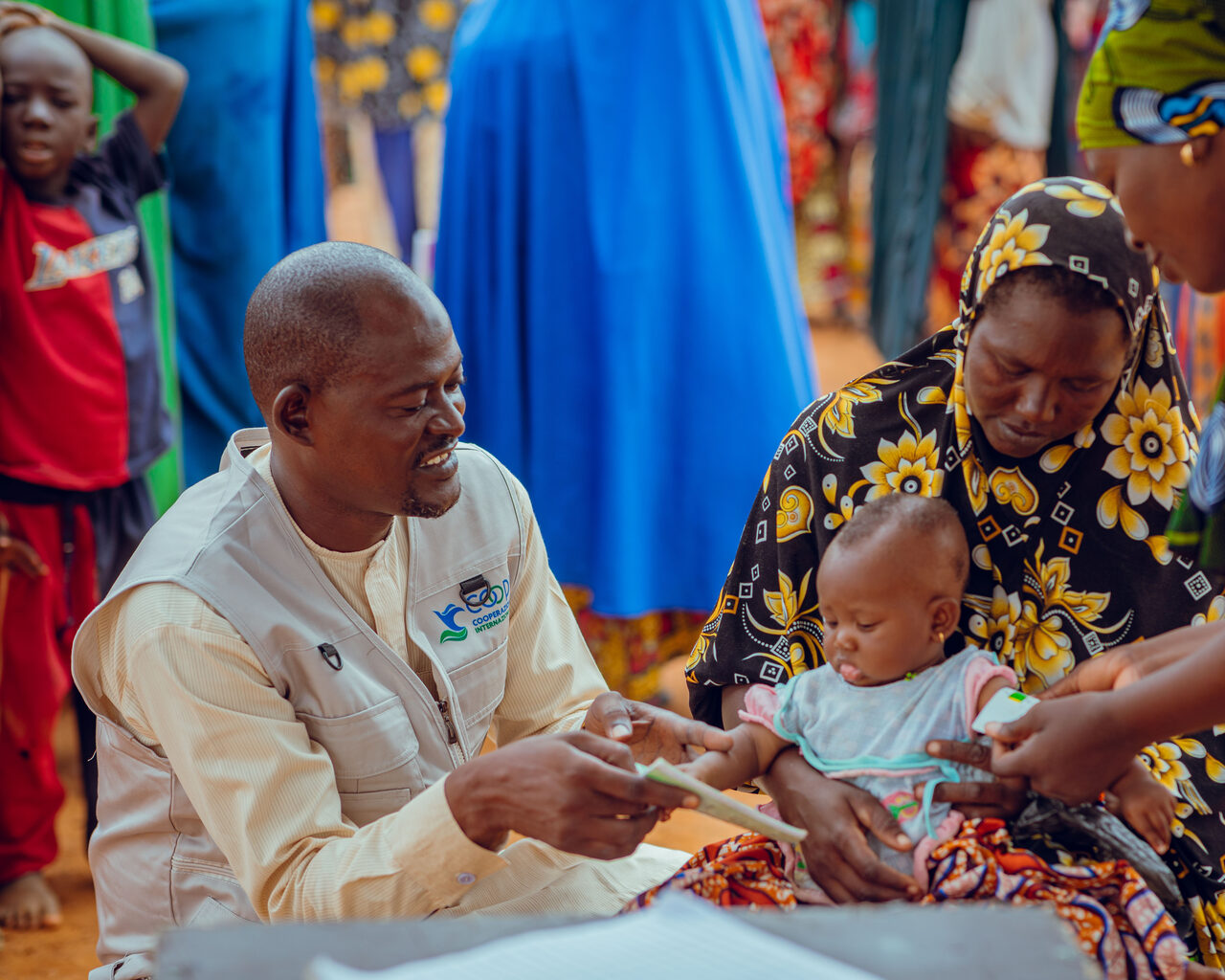
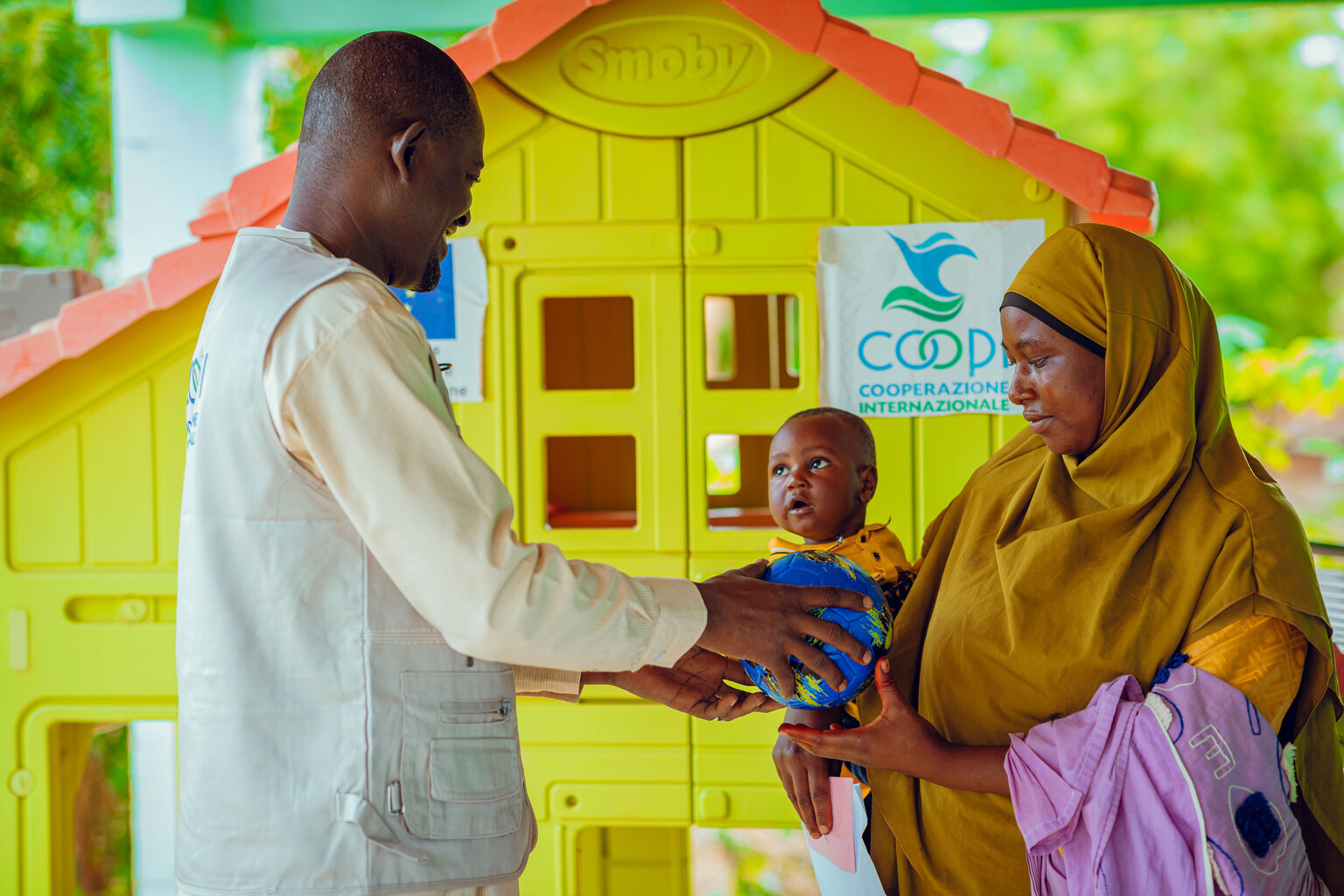
In the Tillabéri region of Niger, Hadiza holds her daughter in her arms as she waits in front of a mobile clinic. Until a few weeks earlier, her daily life had been marked by uncertainty. Floods had devastated her village, destroying her garden and severely damaging her home, forcing her to seek shelter with acquaintances. Already in fragile conditions, she suddenly found herself without resources, in precarious living conditions and with limited access to essential services.
The consequences quickly affected Nafissa’s health, as he began to lose weight and fall ill frequently. Every day, Hadiza’s anxiety grew, along with the fear of not being able to help her: the nearest health center was far away and she had no means to reach it. Emotional exhaustion was added to material hardship: she slept little, remained constantly on alert, and felt alone.
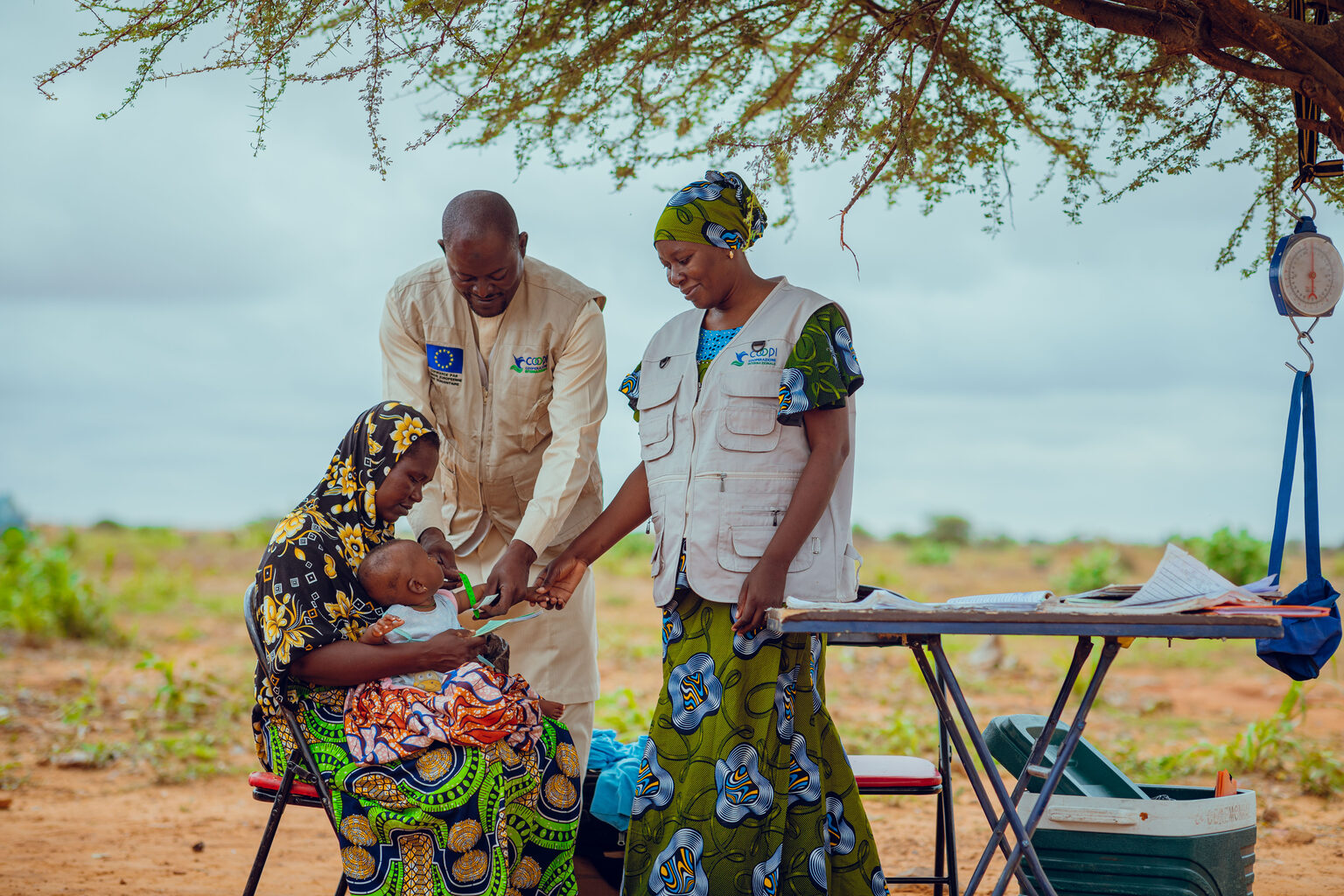
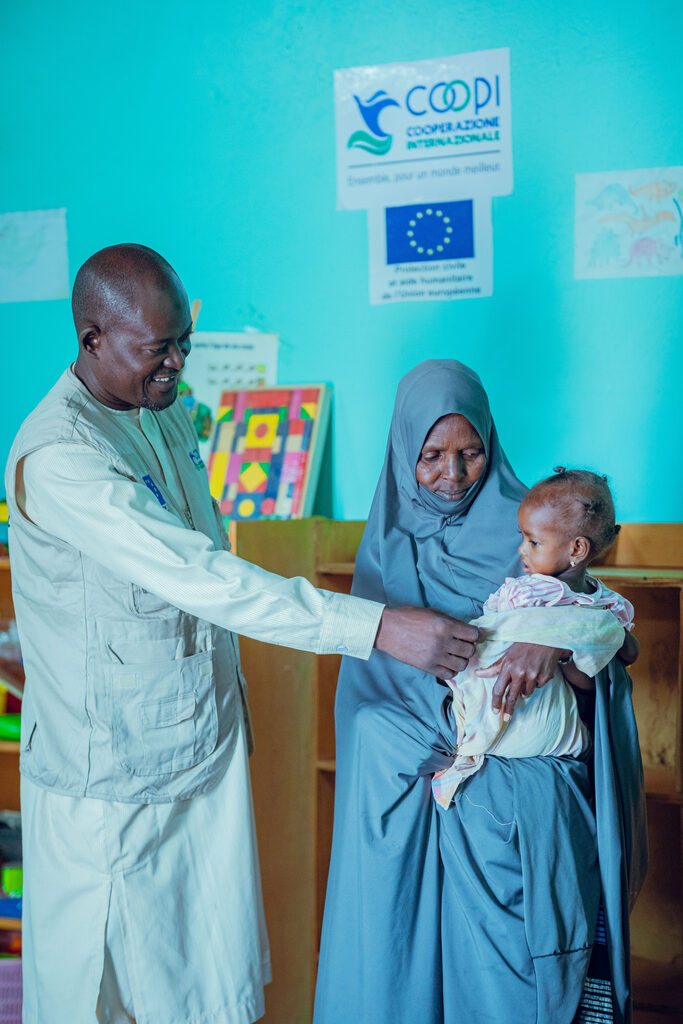
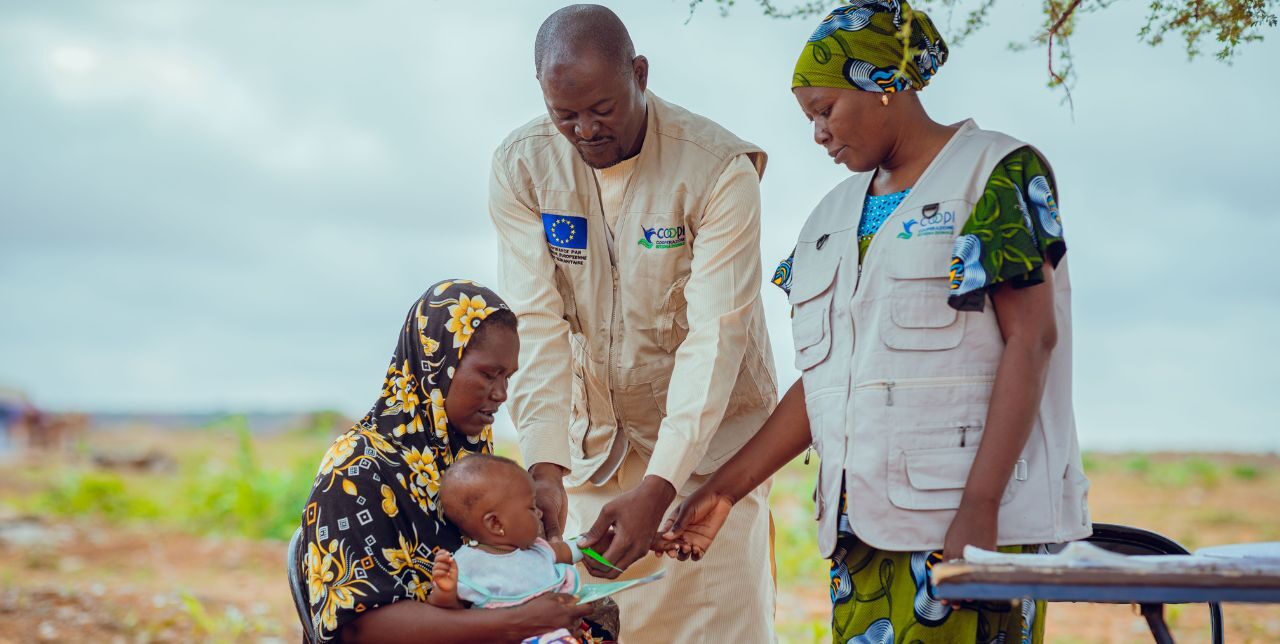
The turning point came thanks to the community network, which informed her about the arrival of a COOPI mobile clinic. With hope, Hadiza went to the meeting point with Nafissa. There, the medical team assessed the child’s condition and started nutritional treatment, providing free care, food, and water.
For the first time in weeks, Hadiza felt heard and supported. To her great relief, Nafissa’s health improved day by day.
I thought the floods had taken everything from us. Then my daugther began to get better again, and I stopped feeling alone: little by little, I found hope again.
Gradually, Hadiza began to regain a sense of stability. Through her involvement in community activities, she was able to benefit from information and guidance related to health and well-being, as well as the support of the local network. Today, she shares her experience with other women in the village, helping to strengthen the sense of solidarity within the community.
The story of Hadiza and Nafissa reflects a broader crisis affecting the area: over 430,000 people are displaced, and more than 45% of the population lives between 6 and 100 kilometers from the nearest health center, with the cost of care often unaffordable.
To respond to these challenges, COOPI - Cooperazione Internazionale ETS is implementing the project “Emergency response to the health care, nutrition, and MHPSS needs of the most vulnerable, displaced and host populations in regions of Niger affected by shocks”, funded by European Humanitarian Aid and carried out in collaboration with the local NGO Organisation Nigérienne des Educateurs Novateurs.
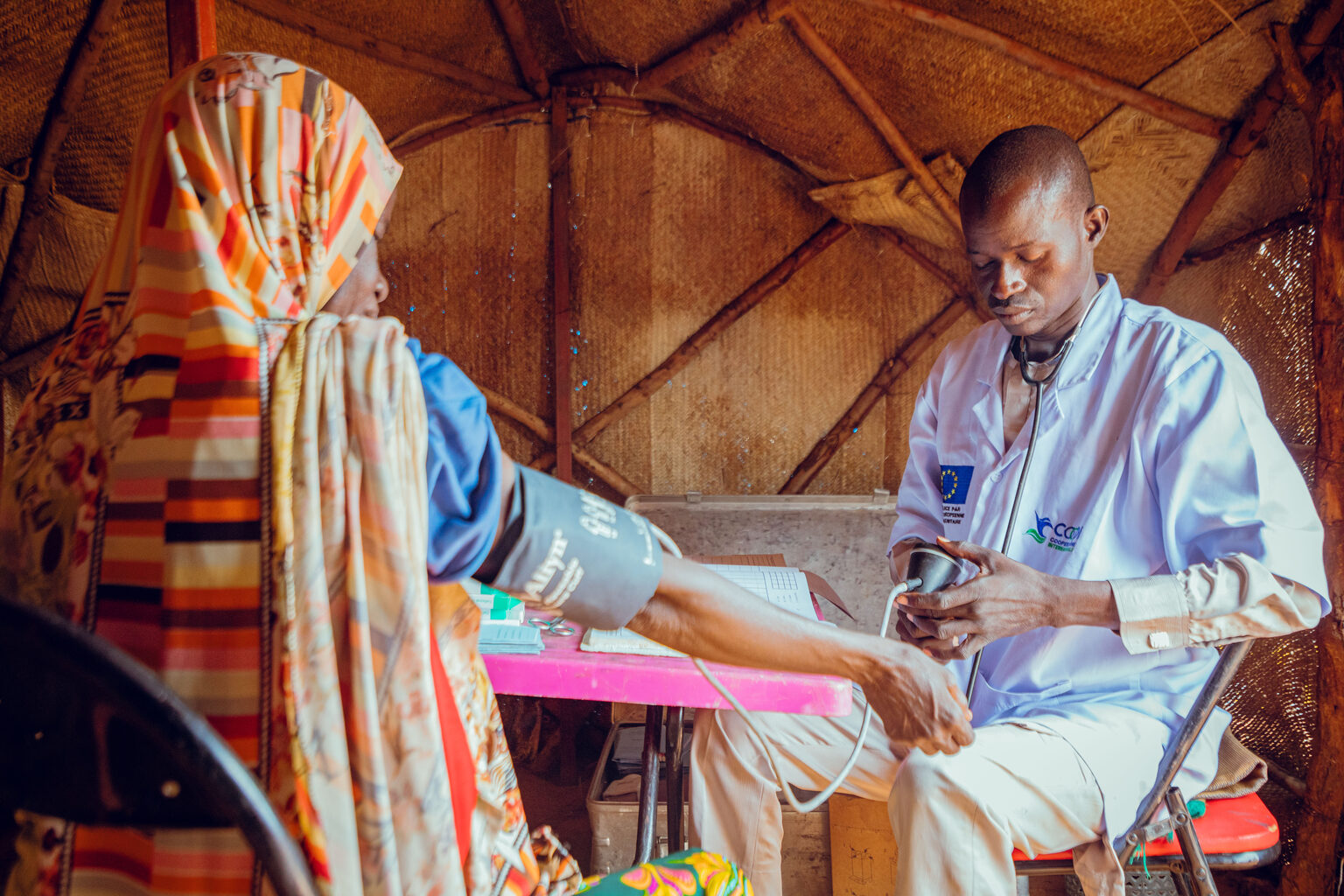
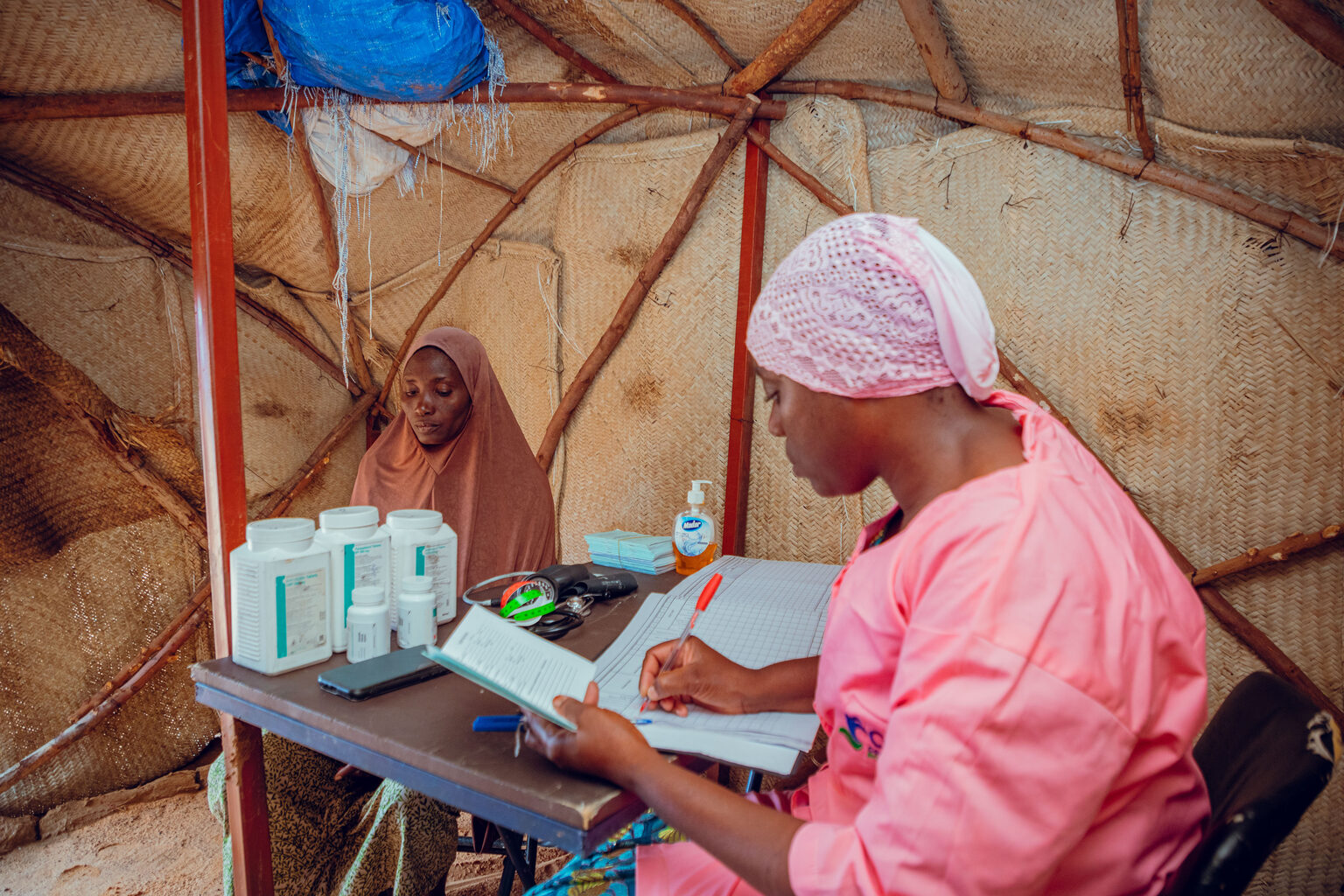
The project includes the deployment of five mobile clinics composed of multidisciplinary teams — nurses, midwives, nutritionists, and mental health specialists — capable of reaching isolated villages and displacement sites in the departments of Tillabéri, Ayorou, Balleyara, Madaoua, and Bagaroua. The clinics provide free consultations, screening and treatment of malnutrition, sexual and reproductive health services, and psychosocial support, as well as referring the most serious cases to specialized health facilities.
The intervention strengthens the local health system through the provision of medicines, equipment, and medical supplies, as well as training activities for health personnel and community members, including volunteers involved in humanitarian monitoring and basic psychosocial support. An integrated approach aimed at ensuring continuity of care and improving emergency response capacity.
Hadiza’s story demonstrates that a humanitarian intervention can go beyond simply responding to an emergency. Through careful and coordinated support, the most vulnerable people can not only overcome immediate difficulties but also develop relationships and points of reference that help them face future crises. Resilience, community solidarity, and access to basic services have enabled Hadiza and her daughter to look to the future with greater hope and security.
---
COOPI has been operating in Niger since 2012, developing integrated multisectoral programs to respond to humanitarian crises. To date, it has implemented more than 160 projects, reaching over 8,000,000 direct beneficiaries, with interventions in the sectors of health, nutrition, education in emergencies, protection, disaster risk reduction and preparedness, promotion of entrepreneurship, and strengthening of community resilience.
Photo credits: Idrissa Hiya Chekaraou