SHARE


 Nigeria
28-09-2026 | di COOPI
Nigeria. Empowering communities in Yobe State
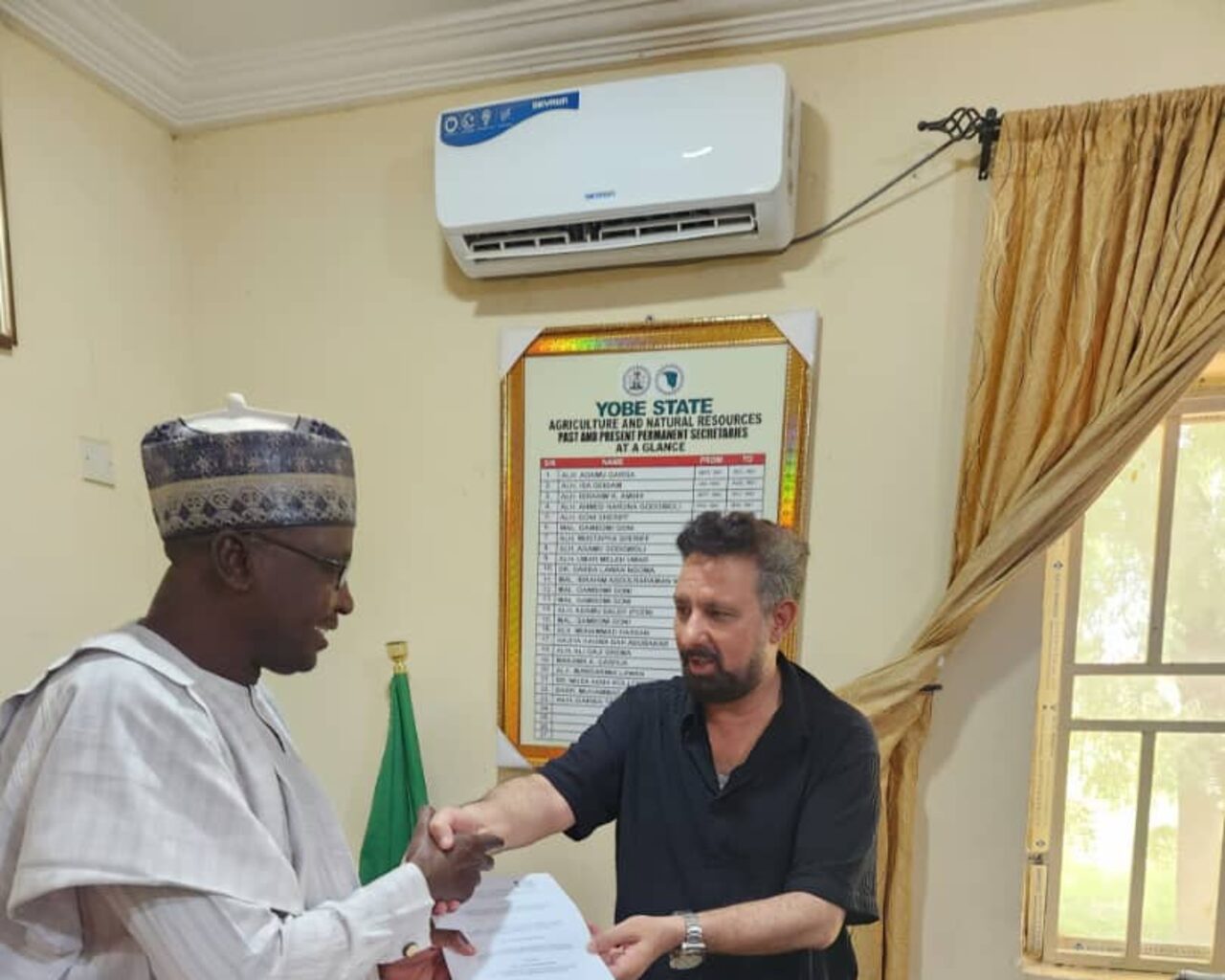
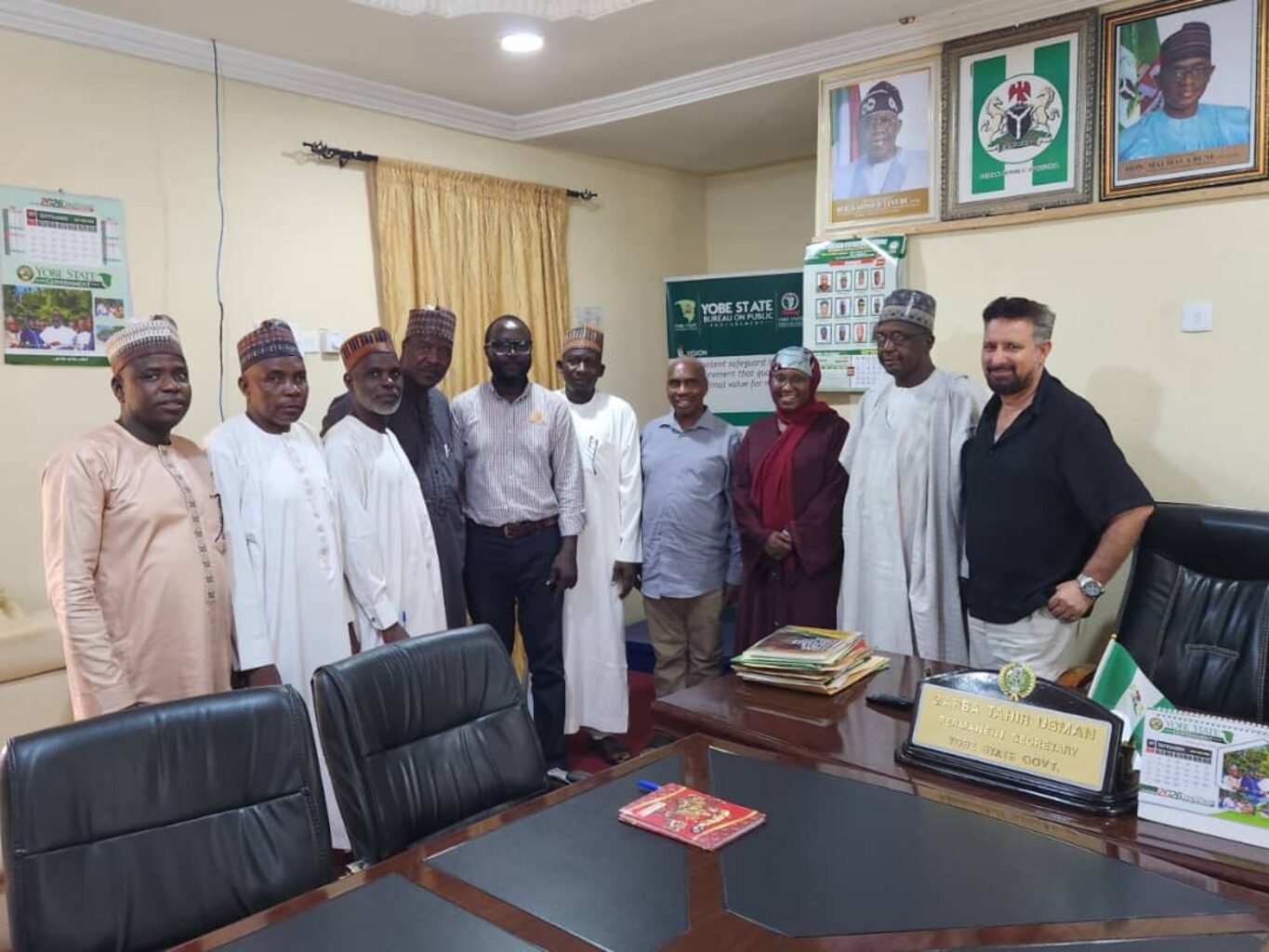
In a joint effort to strengthen local agricultural capacity and improve livelihoods, COOPI in Nigeria officially signed a Memorandum of Understanding with the Yobe State Ministry of Agriculture and Natural Resources (MANR) and the Badejo Community on 18th September. The agreement marks the official start of the rehabilitation of the Badejo Food Processing and Training Center.
Supported by the World Food Programme (WFP), the German Federal Ministry for Economic Cooperation and Development (BMZ) and Kreditanstalt für Wiederaufbau (KfW), this three-year partnership aims to build resilience and sustainable livelihoods in the north of Nigeria. Infrastructure works have already commenced at the food processing center, with ongoing activities including site clearance, fence retrofitting, and the construction of columns.
Building skills and improving nutrition
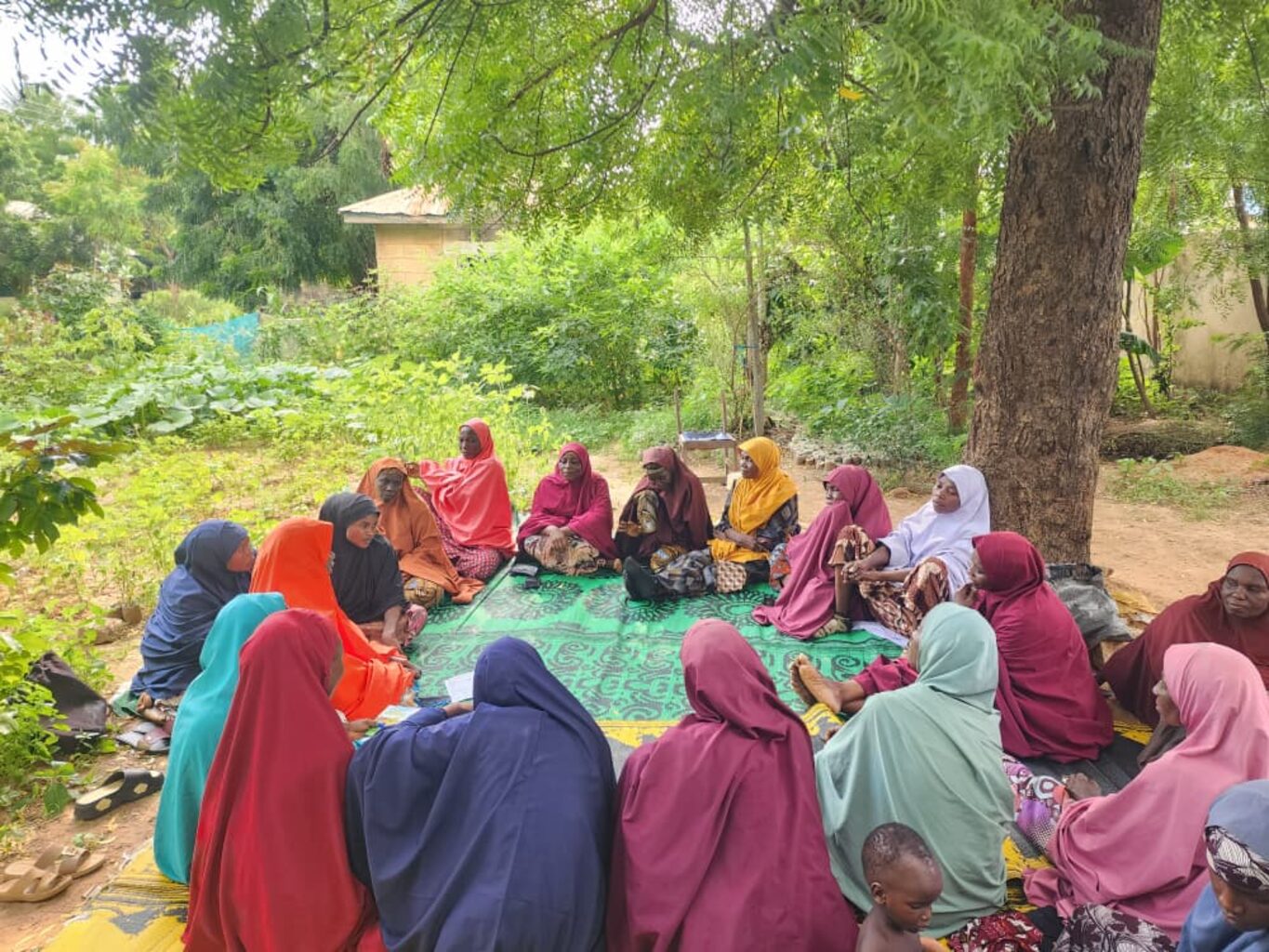
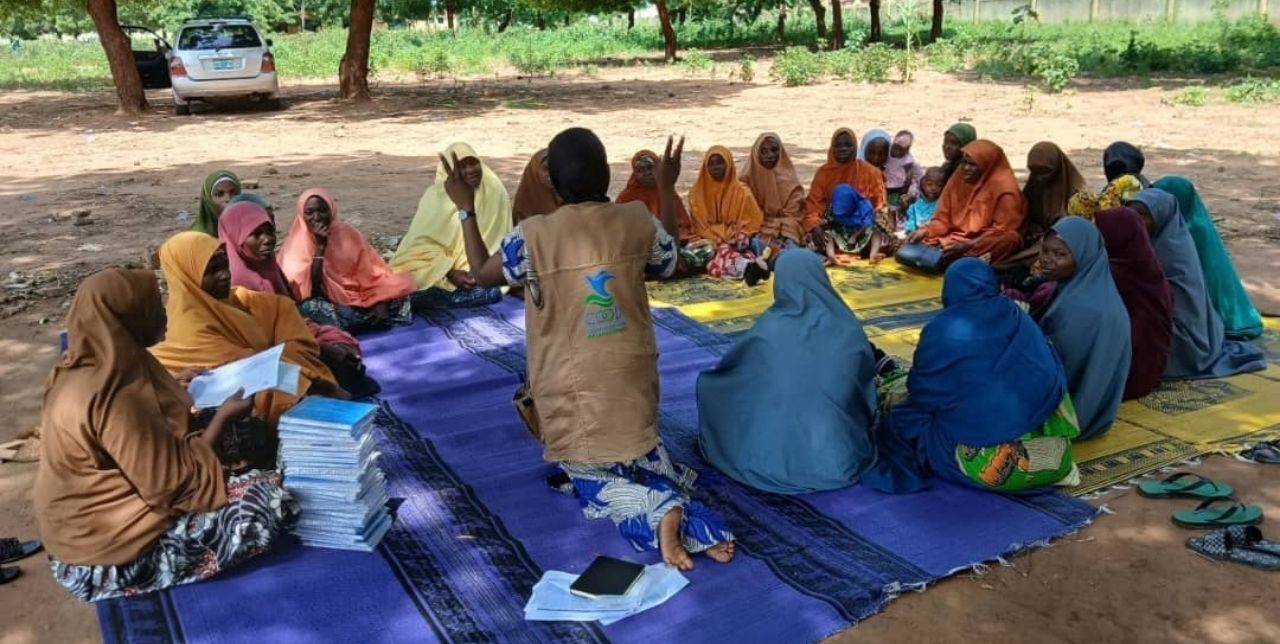
Beyond the physical rehabilitation of the facility, the core of this initiative is to equip local women's groups with hands-on skills in cereals processing, groundnut oil extraction, and the formulation of "Tom Brown"—a highly nutritious local porridge blend used to combat malnutrition.
Highlighting the long-term vision of the project, COOPI’s Northeast area Coordinator, Waheed Murad, underlines:
These are not just training sessions. They are the foundation for micro-enterprises that will put steady income in women's hands while improving nutrition for children under five and pregnant and lactating women.
Significant progress is already being made on the ground. In August 2026, COOPI, in collaboration with the National Directorate of Employment (NDE), successfully trained 175 women from Income Generating Activity (IGA) groups in Tom-Brown production across the Potiskum Local Government Area (LGA). The training utilized a practical community-based approach, combining theoretical sessions with hands-on production.
Community ownership at the core
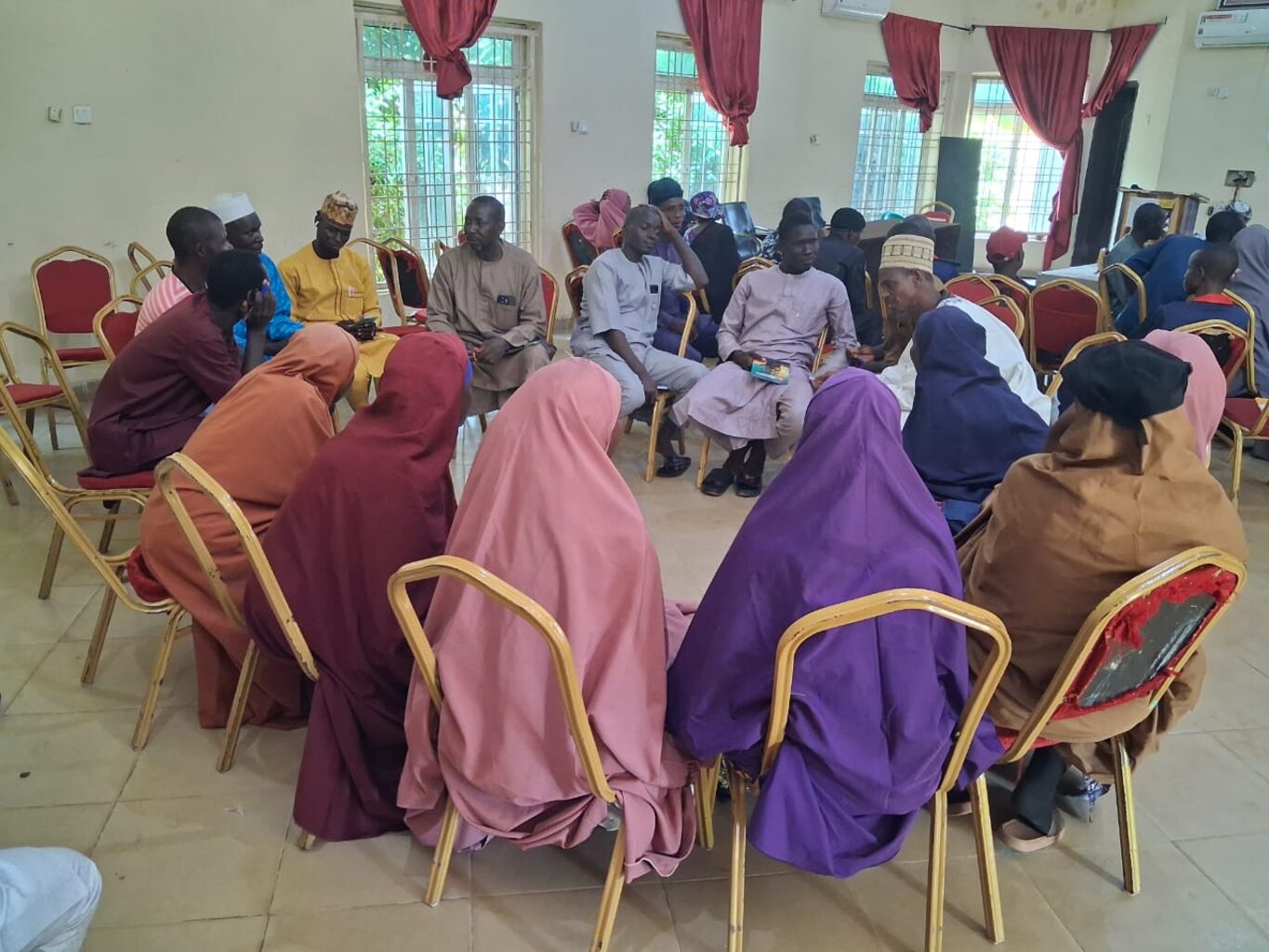
A key pillar of this intervention is ensuring that the community remains in the driver's seat. To guarantee the long-term sustainability of the center, the operations are linked to the newly structured Badejo Agro Industries Limited. COOPI recently facilitated a governance review meeting with the Community Management Committee (CMC) to ensure that the governance structure, decision-making processes, and accountability mechanisms are entirely locally led and transparent.
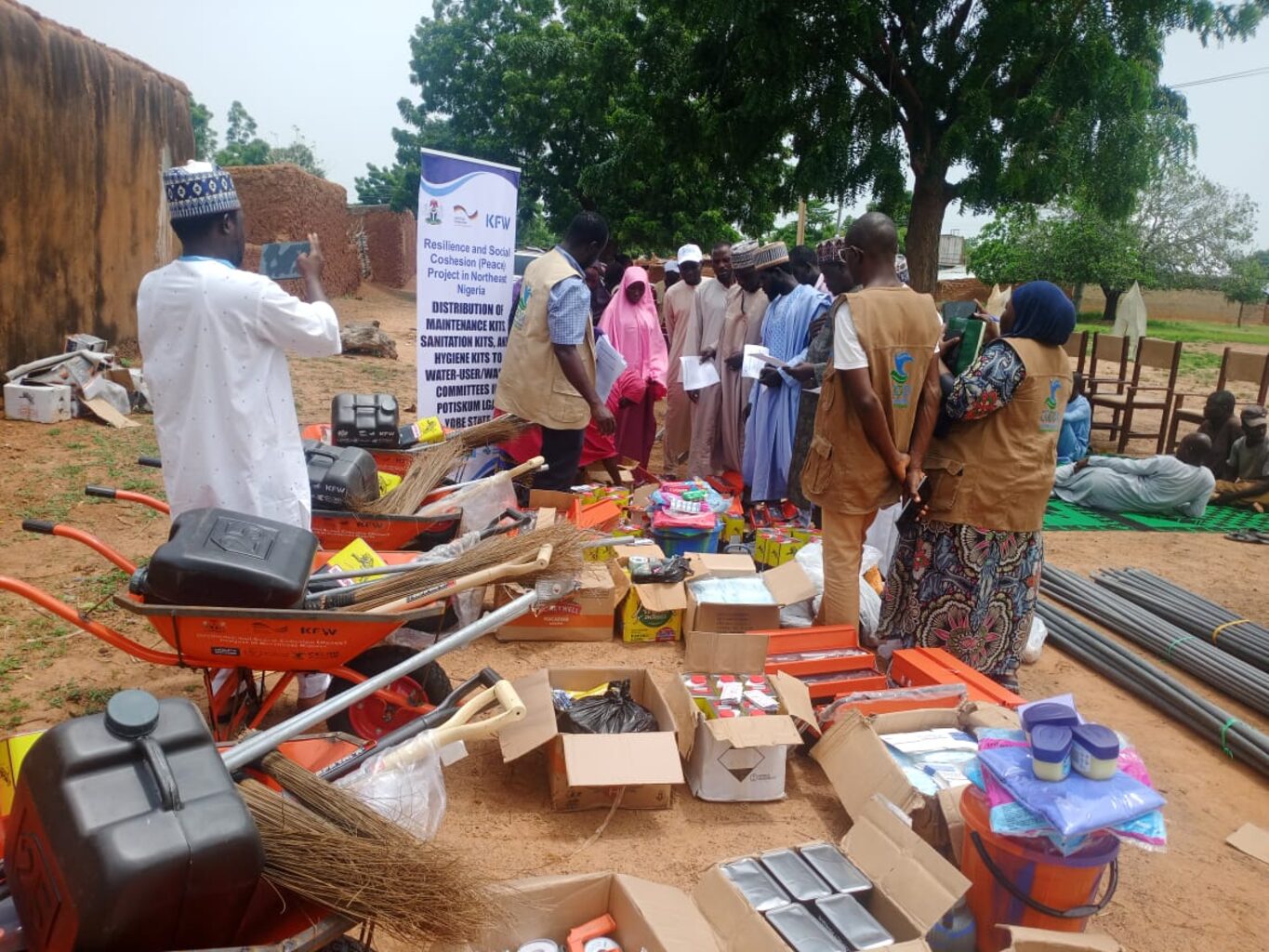
The rehabilitation of the Badejo center is part of a broader resilience and social cohesion program implemented by COOPI in Potiskum Local Government Area. This holistic approach also includes natural resource management—such as the recent planting of over 176,000 tree seedlings to combat deforestation—and the continued expansion of Village Savings and Loan Associations (VSLA) to strengthen household financial resilience.
This intervention builds upon COOPI's long-standing partnership with the World Food Programme in Nigeria. Since 2014, COOPI has been operating in the country with a multi-sectoral approach to strengthen community resilience against climate shocks and internal conflicts. Specifically in Yobe State, COOPI and WFP have historically collaborated on food security, early recovery, and livelihood projects aimed at supporting farmers, youth, and vulnerable women to achieve economic self-sufficiency. The rehabilitation of the Badejo center represents another crucial step in this ongoing commitment to sustainable development.