SHARE


 Chad
21-10-2026 | di COOPI
Chad. Building classrooms to give every child a seat in school
Under the project implemented in the Adé department of Sila province (Chad), COOPI – Cooperazione Internazionale is constructing 28 new semi-durable classrooms and 14 latrine blocks to expand the intake capacity of seven primary schools. This initiative provides a concrete solution to mounting educational demands and the large number of children currently excluded from school. In Adé, access to education faces a structural barrier: facility capacity consistently fails to meet local enrollment needs.
The situation has been exacerbated by the arrival of numerous Chadian returnees fleeing the crisis in Sudan, resulting in many out-of-school children requiring access to basic education. Accommodating them requires both a sufficient number of classrooms and a suitable school setting. To meet this demand, the “Inclusive and qualitative response to educational needs of children and youth affected by the crisis in Chad”, implemented by COOPI and funded by European Union Humanitarian Aid—is reinforcing educational facilities across several localities within the department.
Sites officially handed over for new infrastructure
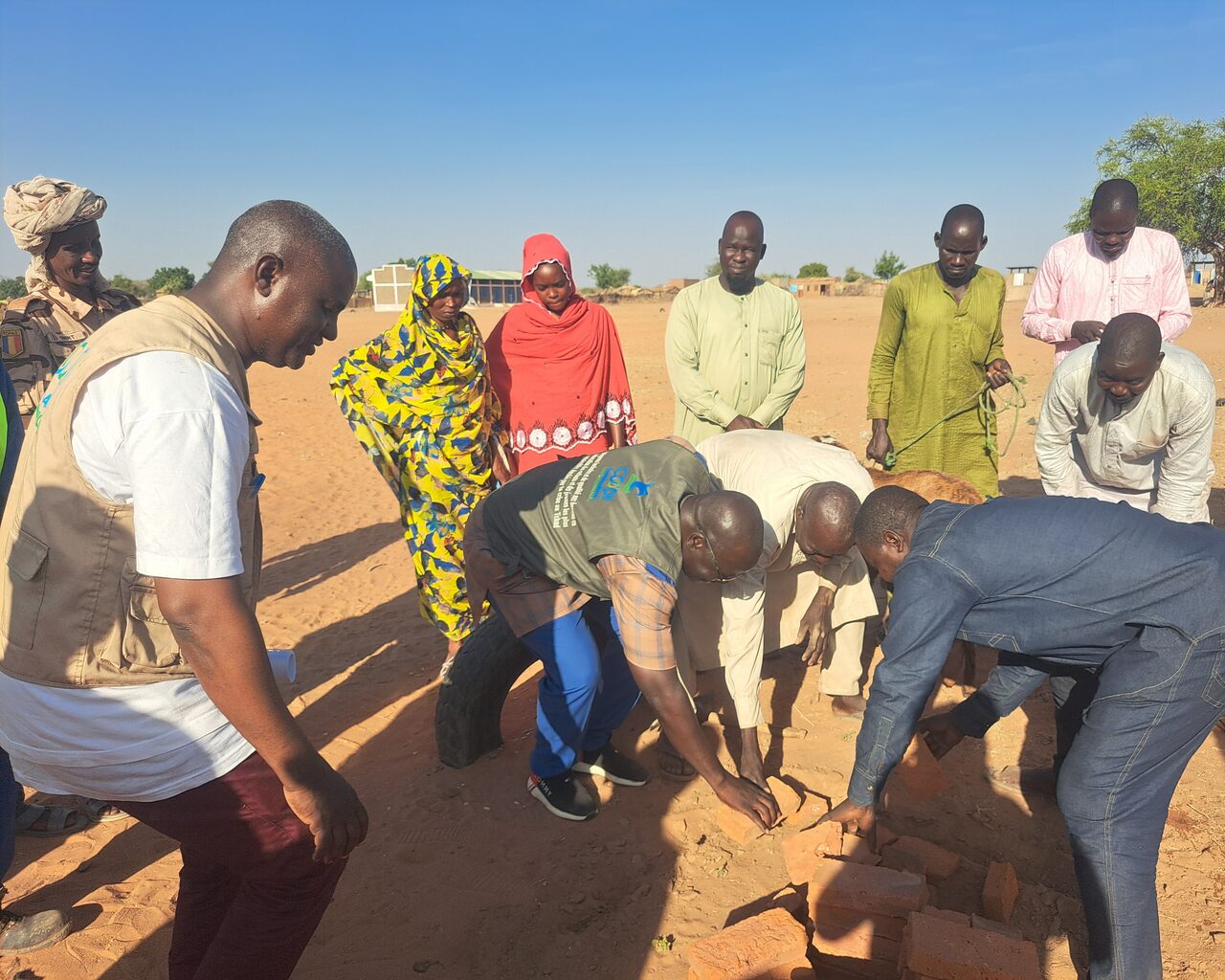
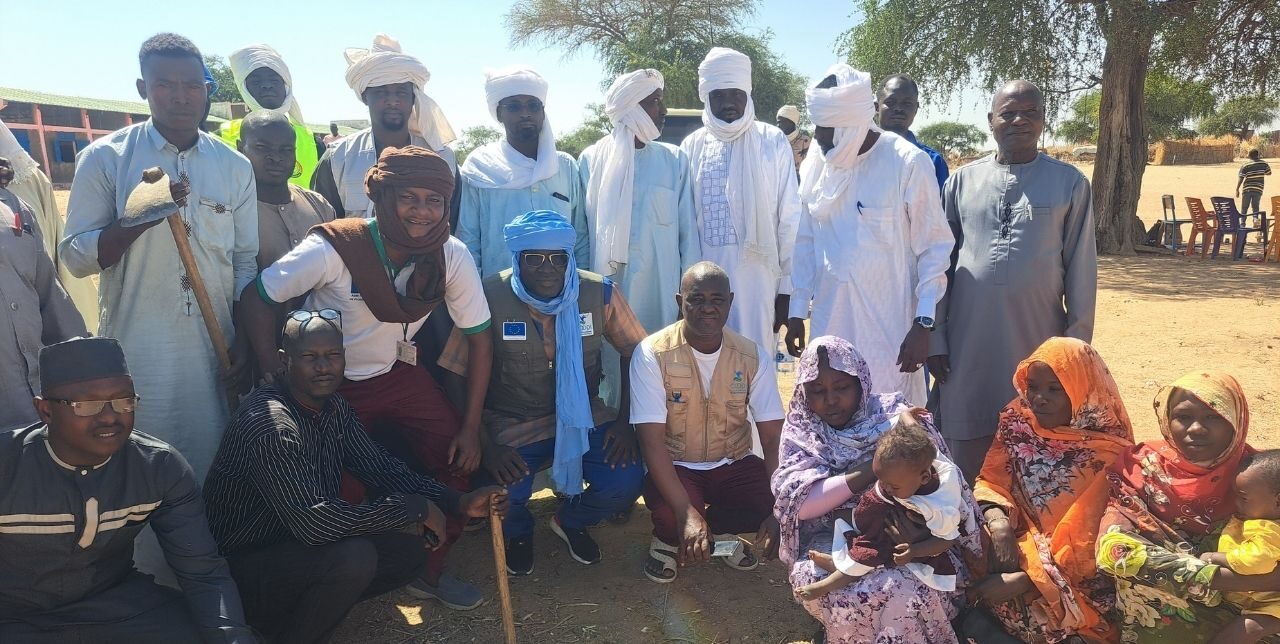
Prior to breaking ground, the plots designated for the new classrooms underwent an official handover ceremony in February 2026, overseen by the Prefect of the Adé department.
The event brought together administrative and educational leadership, including sub-prefects, the Head of the Sila Provincial Education Delegation, Departmental Inspectors of National Education, Primary Education Pedagogical Inspectors, school principals, technical service representatives, and community leaders.
This step marked the formal release of land for construction and demonstrated local institutional commitment to resolving capacity shortfalls. Handing over the sites established key groundwork, facilitating coordination among local authorities, school leadership, communities, and COOPI.
28 new classrooms to expand school capacity
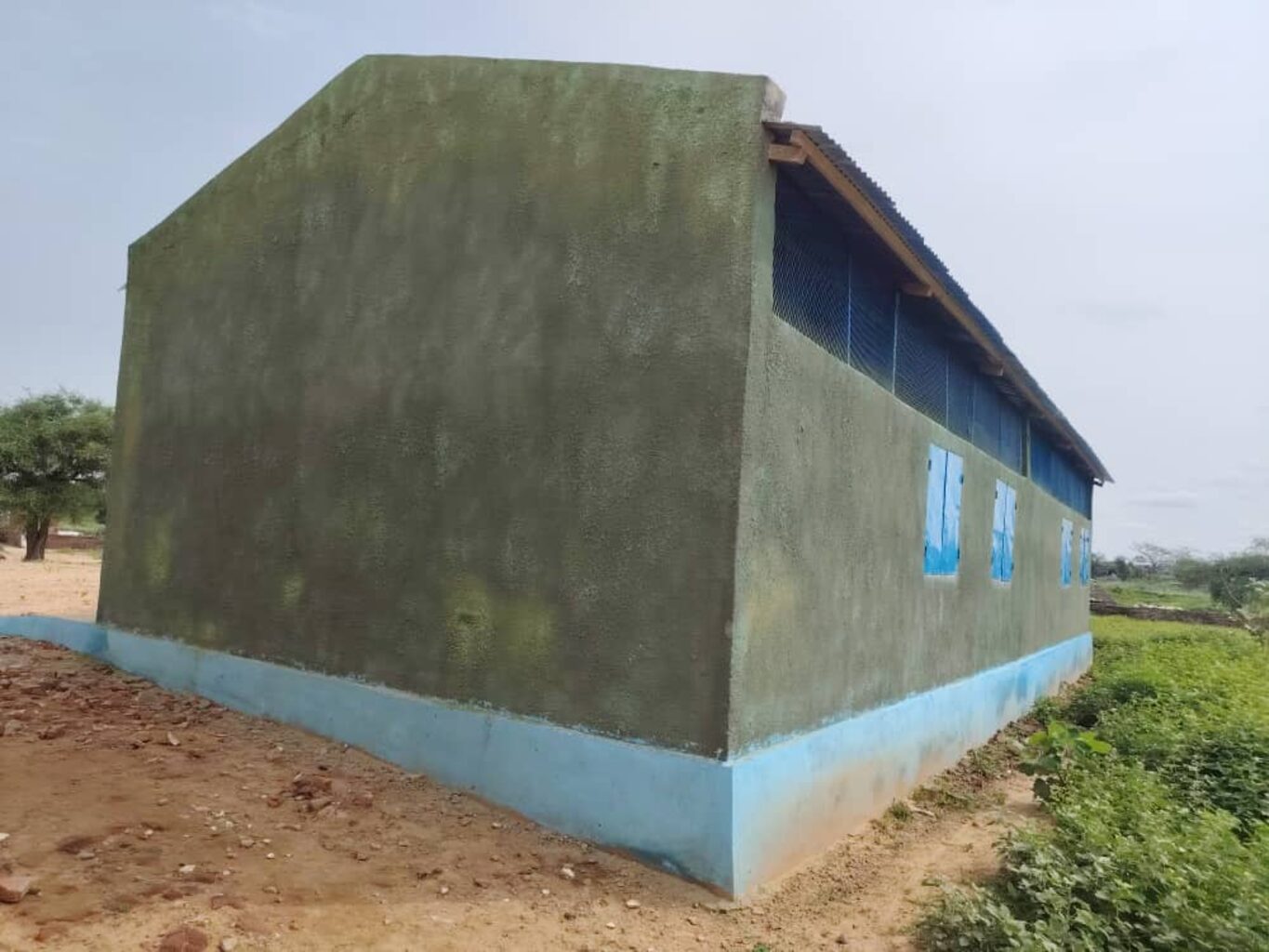
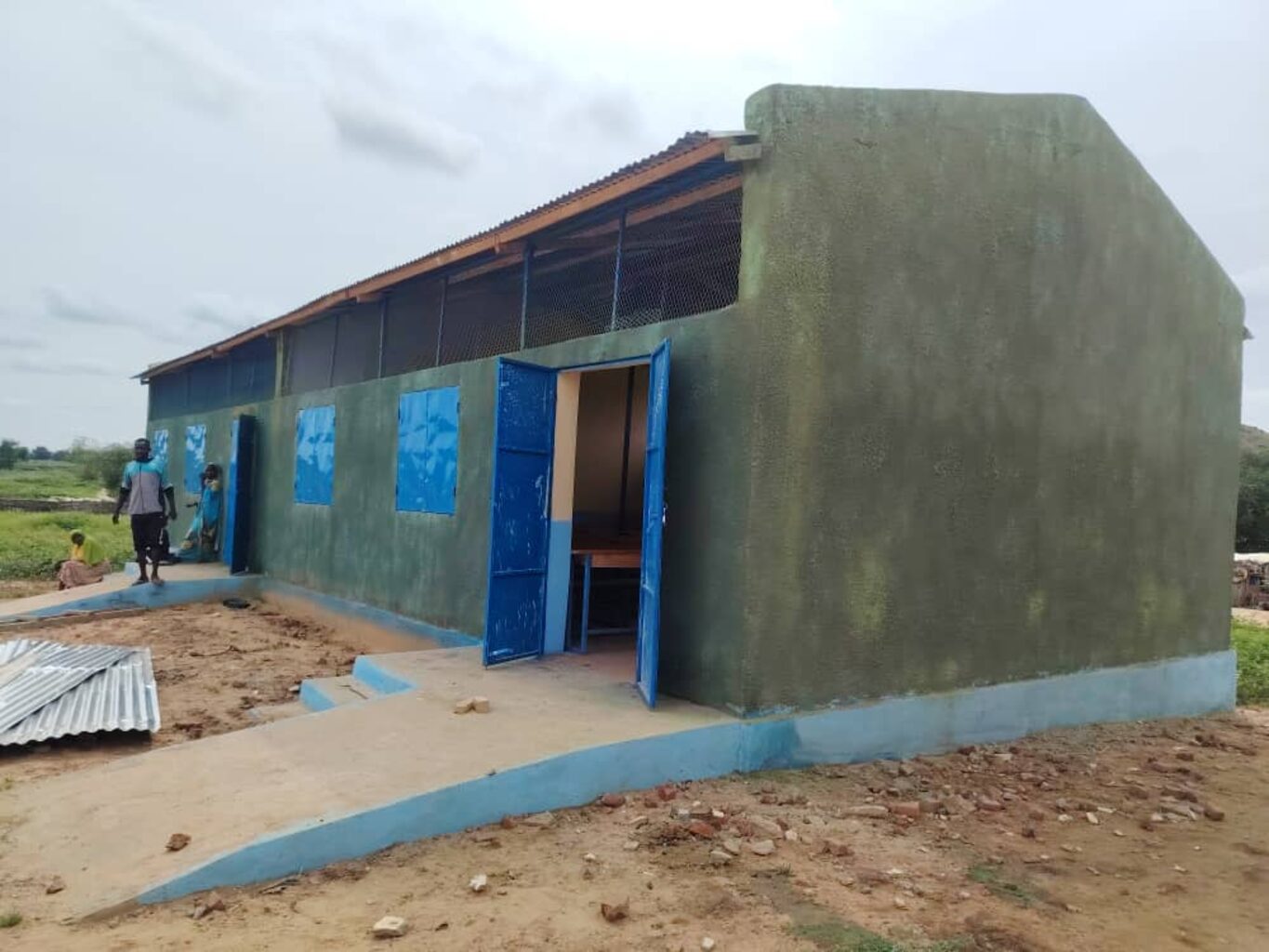
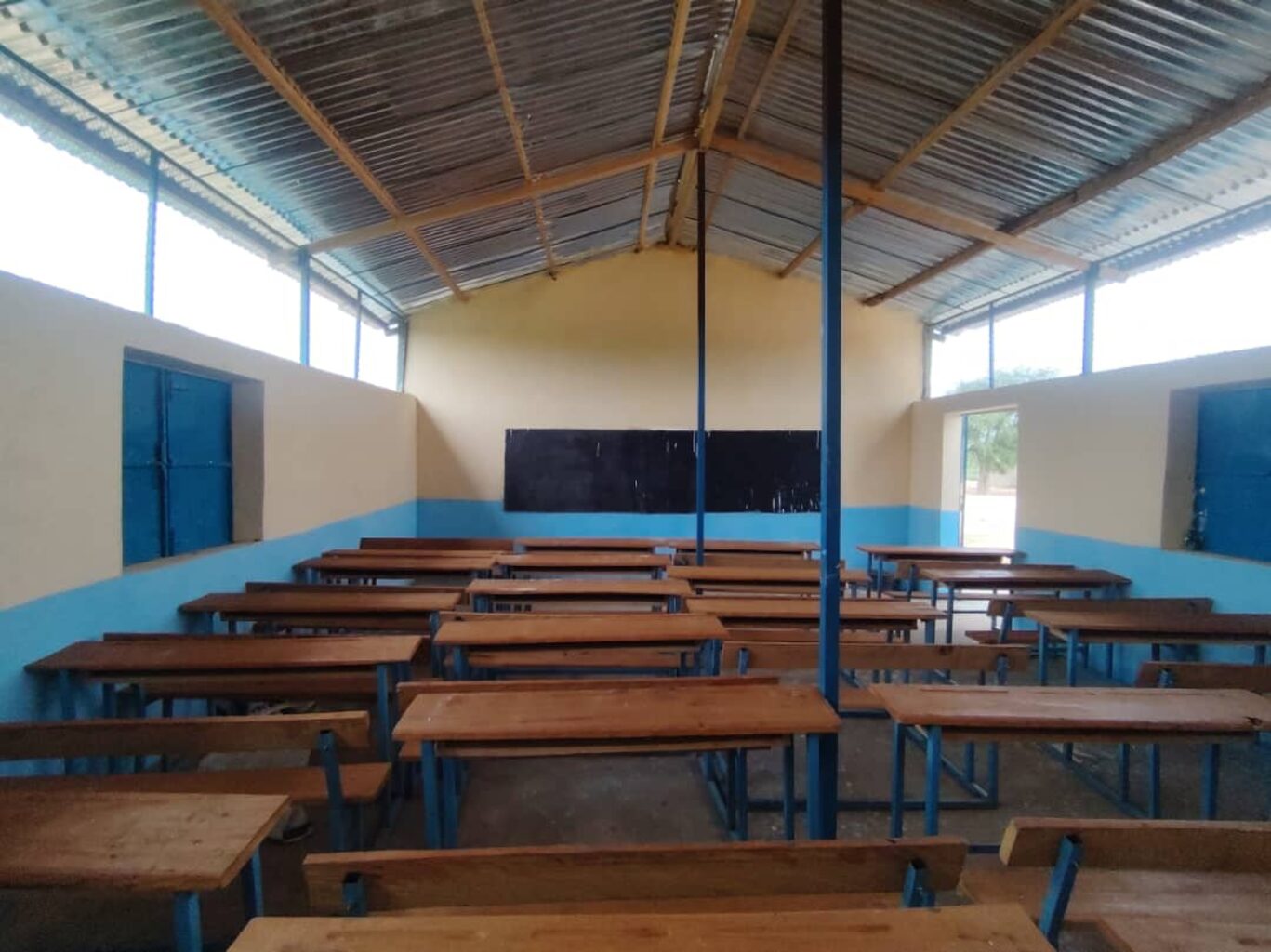
A total of 28 semi-durable classrooms have been built across seven schools, allocating four rooms per facility. The beneficiary schools are: Adé Mour, Moudeina, Dogdoré A, Daguessa Village, Daguessa Site 1, Daguessa Site 2, and Daguessa Site 3. This capital investment targets capacity deficits directly, allowing schools to enroll more students and lowering structural barriers for children seeking an education. "Creating a seat for a child means giving them the chance to learn."
The scope extends beyond building physical walls: it focuses on opening new admissions pathways so that out-of-school children can be reintegrated. Within these communities, educational facilities represent a critical component of the wider response to population displacement and rising student numbers.
Equipped classrooms for an improved learning environment
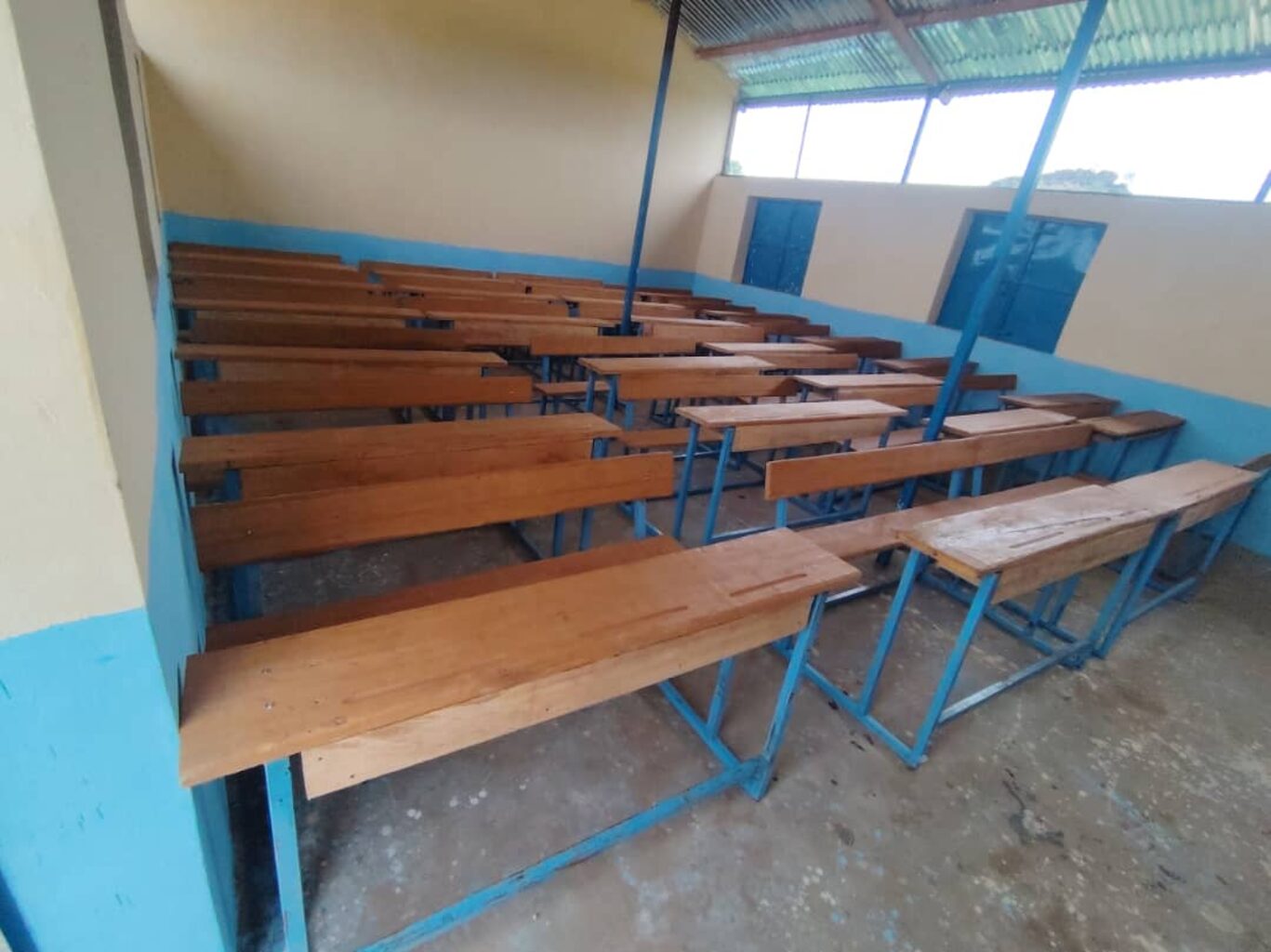
Construction is paired with a comprehensive furnishing drive. Each school receives 100 desk-benches, totaling 775 units across the seven institutions. Rooms are also outfitted with teacher furniture—four desks and four chairs per school, totaling 28 desks and 28 chairs. This provision ensures the completed spaces function immediately as ready-to-use educational environments.
Rehabilitating existing classrooms
Alongside new builds, the initiative rehabilitates non-functional classrooms to optimize overall school capacity and elevate study conditions. Work included the full overhaul of three classrooms at the Daguessa Village school, upgrading existing assets to provide students and teachers with safe, functional spaces.
14 latrine blocks for better school sanitation
The plan also covers 14 new latrine blocks (two per beneficiary school). Improving sanitation promotes a safer, more dignified educational setting for students and teachers alike—a priority where schools face rising enrollments and outdated infrastructure.
Tahir Charfadine, President of the ADEMOUR Parents'
Association (APE), says:
Before this intervention, our school had only seven classrooms to serve thousands of children. Extreme overcrowding made both teaching and learning difficult. The four new classrooms will significantly expand our capacity and relieve pressure on packed rooms. We are equally grateful for the two latrine blocks, which directly improve health and hygiene conditions. Furnishing the rooms and providing desks and chairs for the teachers delivers essential operational support. On behalf of the parents and the entire community, we thank COOPI and ECHO. These facilities address an urgent need and will improve our children's learning conditions.
For the 2026–2027 school year, these structures will provide local communities with tailored spaces and expanded enrollment capacity. Key project metrics: 28 semi-durable classrooms constructed across 7 schools, 7 classrooms renovated, 14 two-door latrine blocks built, 1 latrine block rehabilitated, 775 desk-benches, 31 teacher tables, and 31 teacher chairs delivered.
Across the Adé department, every additional classroom represents another opportunity for a child to join the formal education system. Constructing, outfitting, and refurbishing schools establishes the foundation for children to learn, grow, and secure better future prospects. Through this work, COOPI continues to champion equitable, inclusive education for children impacted by humanitarian crises and displacement in eastern Chad.
COOPI has been operating in Chad since 1976, delivering 160 projects to date that have assisted more than 4.5 million people through a multi-sectoral approach. In eastern Chad, responding to the conflict in Sudan since 2023, COOPI provides essential support to Chadian returnees and refugees, including emergency Non-Food Items (NFIs), Mental Health and Psychosocial Support (MHPSS), child protection, and education in emergencies.