SHARE


 Venezuela
24-07-2026 | di COOPI
Earthquake in Venezuela: a data-driven multisectoral consortium response
In response to the earthquake disaster in Venezuela, COOPI is leading a strategic alliance that activated relief efforts just 72 hours after the event. Thanks to a rigorous rapid needs assessment, the intervention combines expertise and field presence to respond with scientific precision to the real needs of the population.
The two powerful earthquakes of magnitude 7.2 and 7.5 that struck Venezuela on 24 June caused a humanitarian crisis of immense proportions. Official data reported by OCHA, updated as of 23 July, record 5,398 deaths, 16,740 injured people and 17,907 people left homeless. In such a dramatic context, the effectiveness of aid depends on two key factors: the accuracy of needs mapping and the speed of action.
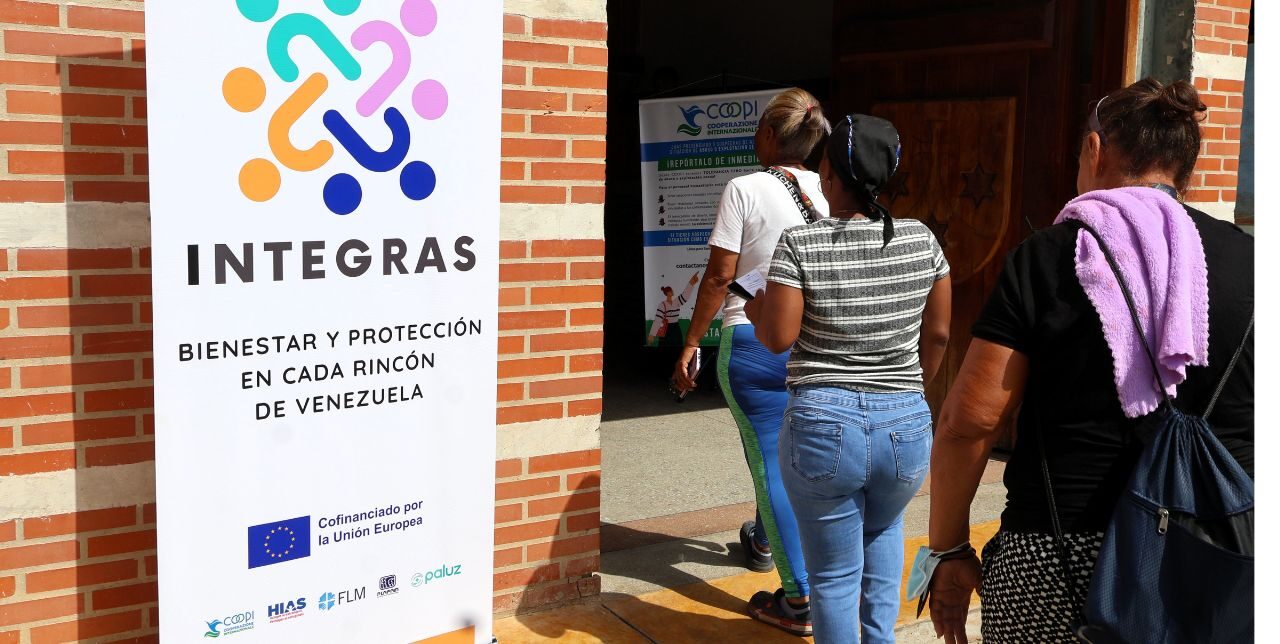
For this reason, the ÍNTEGRAS Consortium was formally activated, a strategic alliance led by COOPI – Cooperazione Internazionale together with prominent humanitarian partners: the Lutheran World Federation (LWF), HIAS, PALUZ and PLAFAM. This coalition brings together operational methodologies and specialised technical expertise to ensure an immediate, complementary and effective response.
Evidence-based data: rapid needs assessment
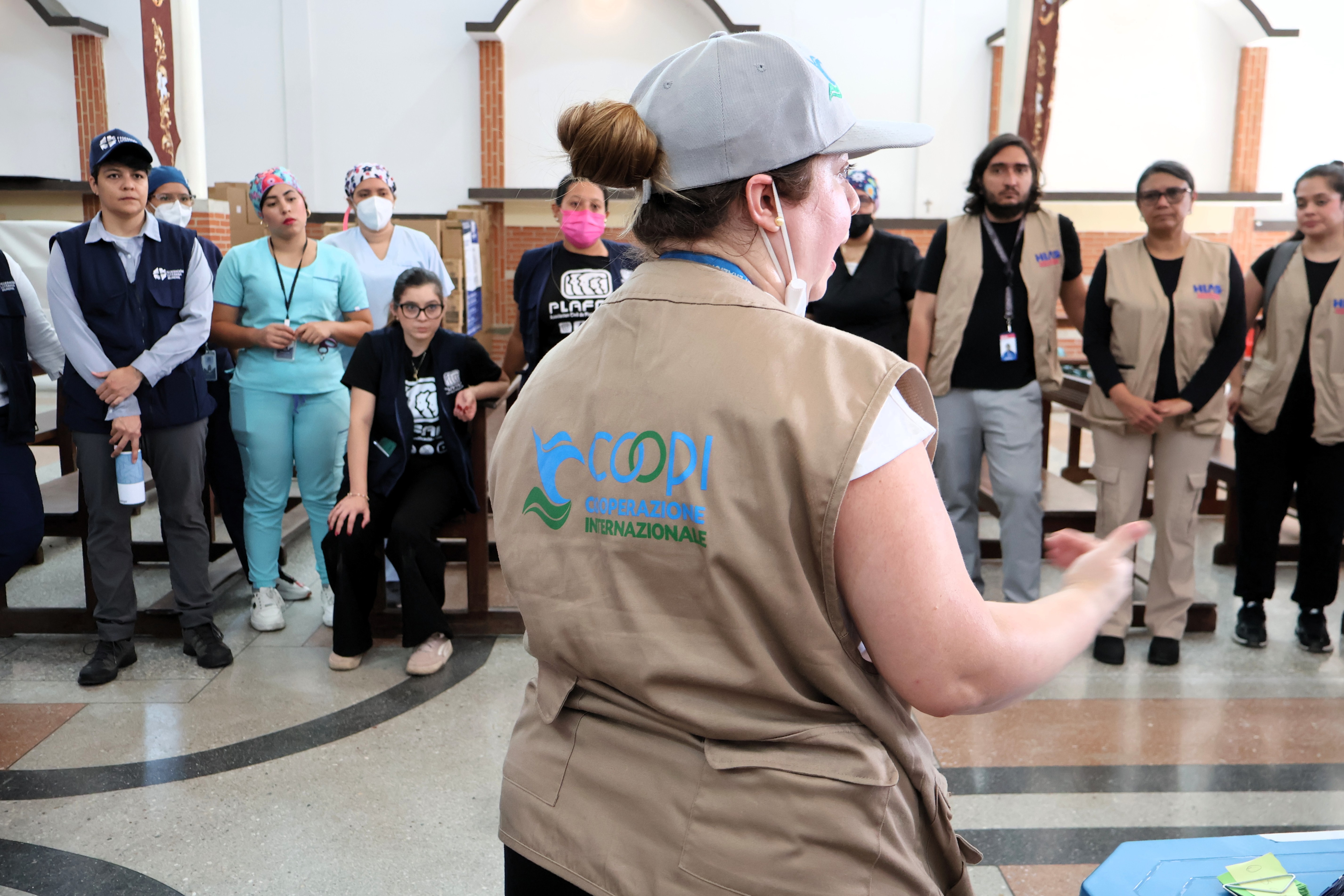
Between 27 June and 3 July 2026, the Consortium conducted a rapid needs assessment by cross-referencing data collected through interviews in shelters, community surveys, field observations, clinical records and documentary analysis. The data collected from 17 formal temporary shelters in the Capital District, Miranda and La Guaira revealed severe structural challenges:
- 58.82% of shelters have no access to safe water or adequate sanitation facilities;
- 82.35% of facilities host chronic patients who have been left without their treatments;
- 52.94% of centres lack prenatal care services or safe spaces for childbirth;
- only 29% have gender-segregated sanitation facilities, exposing women and girls in particular to a higher risk of violence, further exacerbated by the lack of lighting during nighttime hours.
COOPI is leading a consortium that has been able to respond just 72 hours after the earthquake, bringing together expertise, methodologies and territorial outreach. We are providing a multisectoral and integrated response, built rigorously on the evidence collected by our teams, in order to address the most vulnerable needs wherever they are.
explains Stefano Brigoni, COOPI’s Head of Mission in Venezuela.
The strategy and field activities
Based on the data collected, ÍNTEGRAS has developed its intervention strategy within the framework of the project “Integrated response on protection, health, food security and WASH for vulnerable populations”, funded by European Humanitarian Aid. Thanks to the Crisis Modifier mechanism, the consortium will deliver 16,900 integrated interventions reaching approximately 6,400 people.
The three pillars of the intervention are:
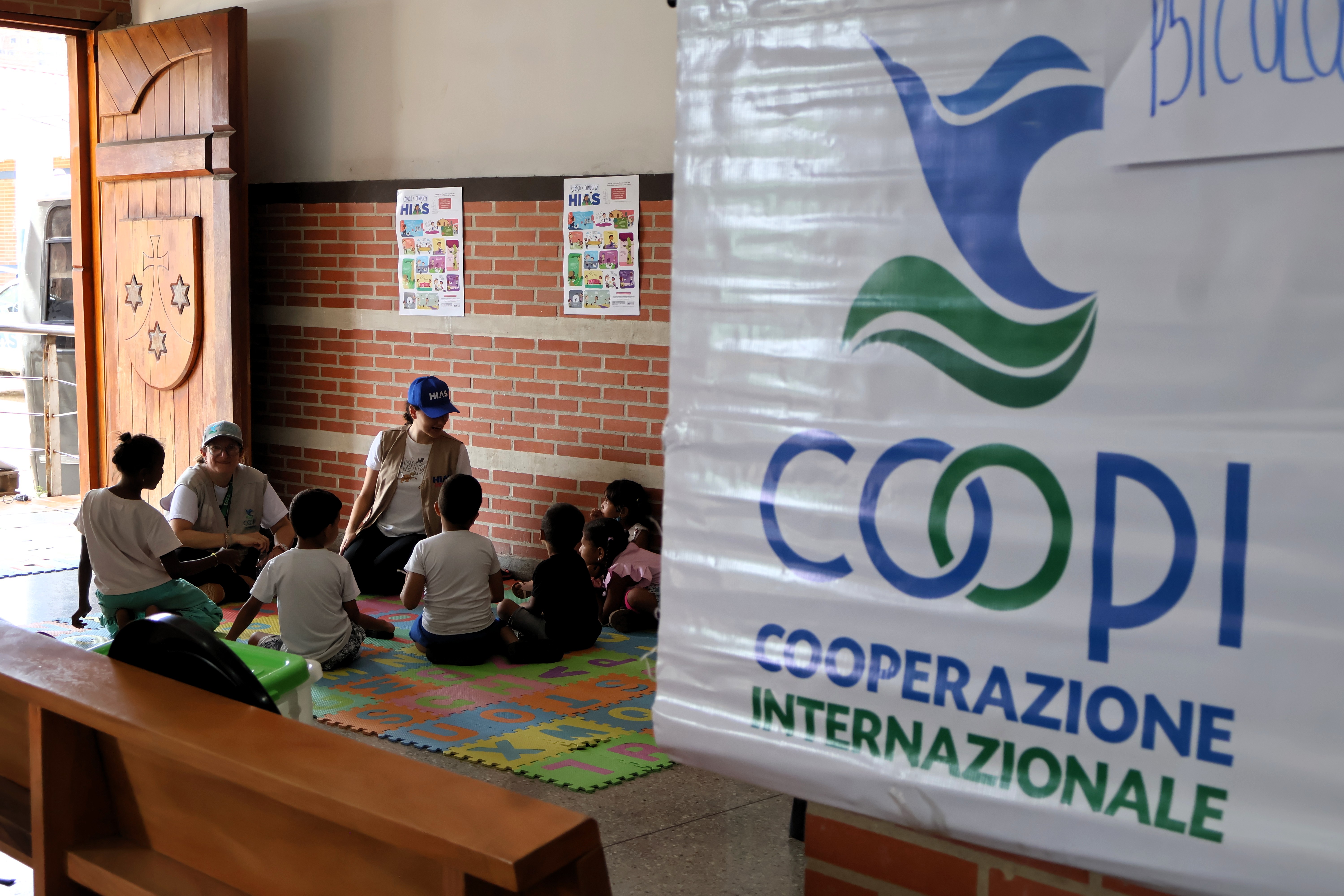
- Protection: assistance services for survivors of gender-based violence, psychosocial support and child protection interventions, with safe spaces operational from the very first day;
- Health and nutrition: activation of telemedicine services (up to 400 consultations per day), in-person assistance and treatment for acute malnutrition among children under 5 and pregnant and breastfeeding women;
- WASH: mobilisation of hygiene kits, dignity kits, water supplies and community distribution points through pre-positioned stocks.
Support our response
To enable COOPI to expand its response and ensure vital health, water and protection services for thousands of affected families, your support is essential.
DONATE NOW FOR THE VENEZUELA EARTHQUAKE EMERGENCY: dona.coopi.org/terremoto-venezuela