COOPI presence in Mauritania
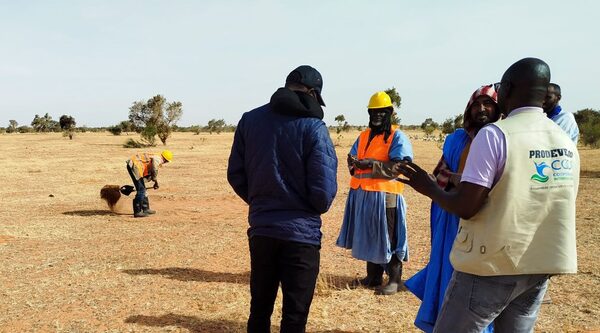
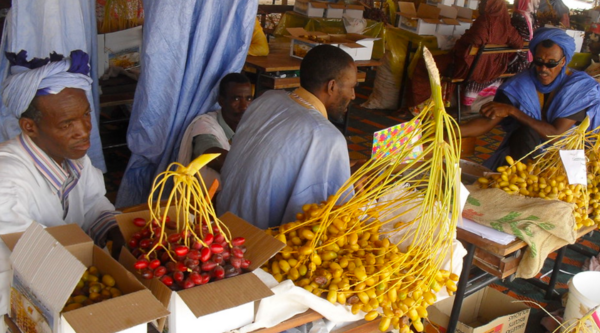
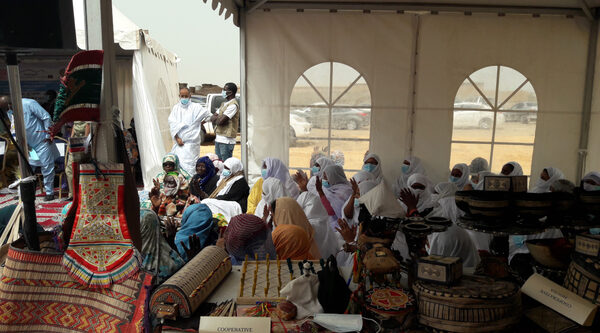
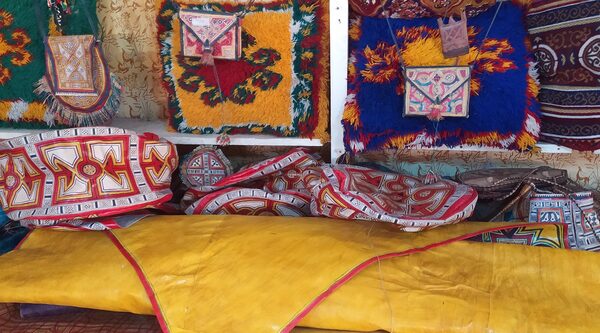
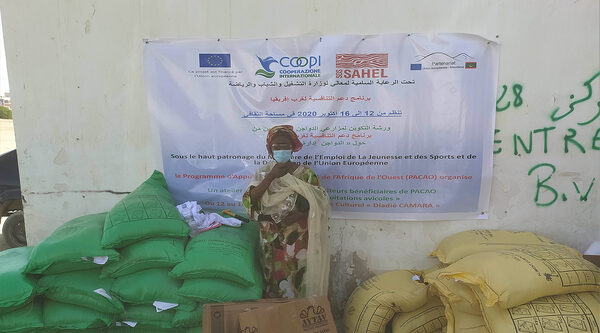
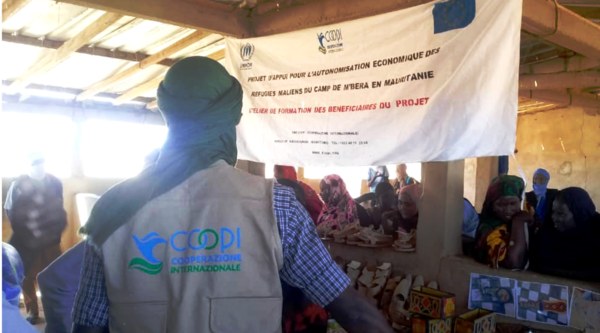
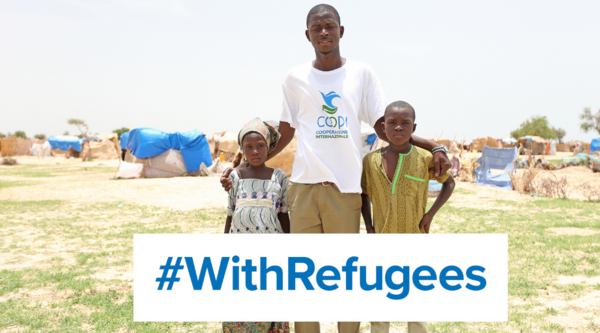
In 2019, COOPI began its operations in Mauritania in the Hodh El Chargui region, characterized by very high levels of food insecurity and malnutrition, significant vulnerability to climate shocks, and considerable isolation. This region is home to the Mberra refugee camp, where COOPI worked to strengthen the economic autonomy of both the host population and refugees from neighboring Mali, providing competitive goods and services, creating sustainable jobs, and enhancing the technical capacities of producers through interventions at various levels of the value chain.
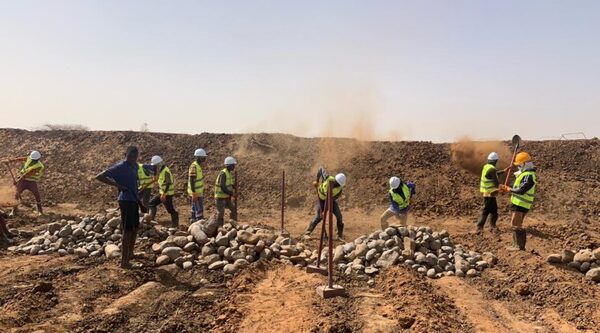
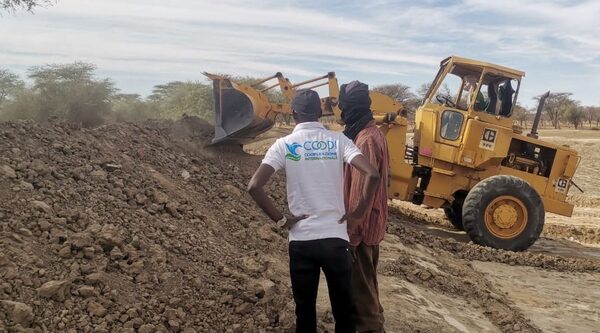
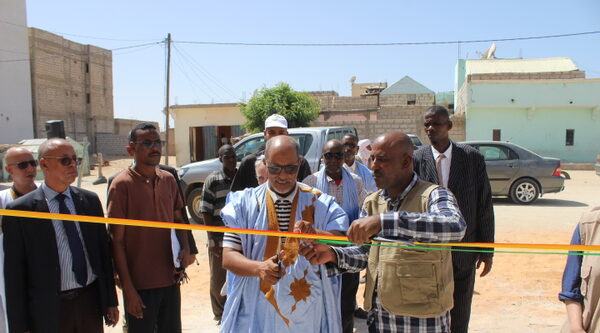
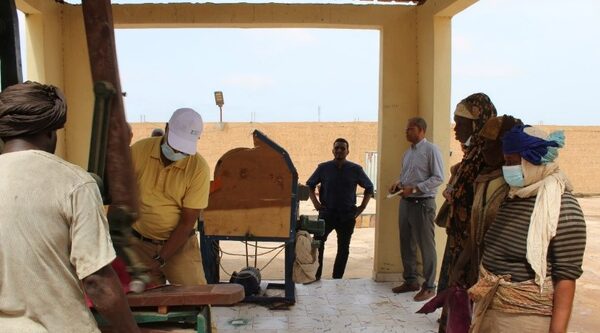
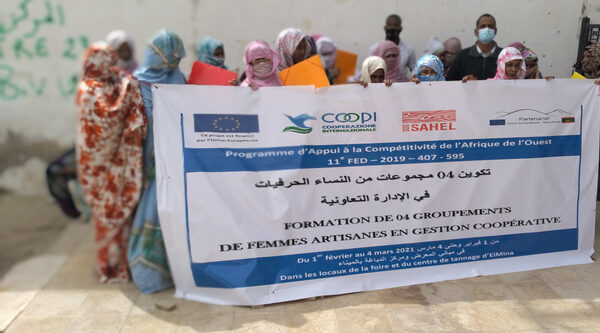
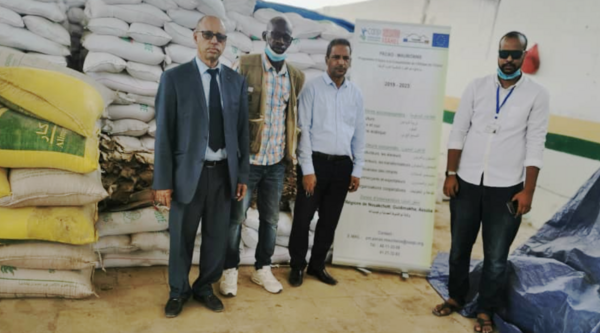
Over the years, COOPI has strengthened its presence in Mauritania, implementing programs in the four regions of Nouakchott, Hodh El Chargui, Guidimakha, and Assaba. COOPI has adopted a multisectoral approach, carrying out programs in economic development, food and nutrition security, and the development and rehabilitation of rural infrastructure. Economic development programs aim to support the country’s economic growth by empowering youth and creating jobs, while the development and rehabilitation of rural infrastructure focus on improving community living conditions, facilitating access to essential services and livelihoods. COOPI’s approach is sustainable, community-based, and participatory, with particular attention to environmental protection, safeguarding needs, social cohesion, and gender dynamics.
COOPI in Mauritania today
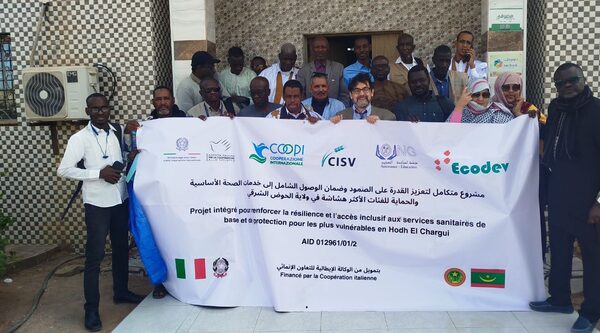
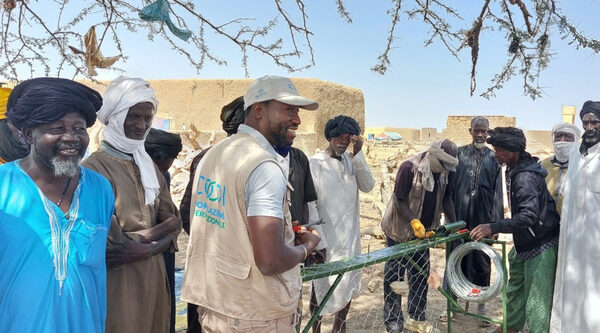
COOPI works in synergy with institutions, field-based organizations, and local communities, ensuring a coordinated response to the growing needs of the population while promoting the sustainability and ownership of interventions. The main areas of intervention include:
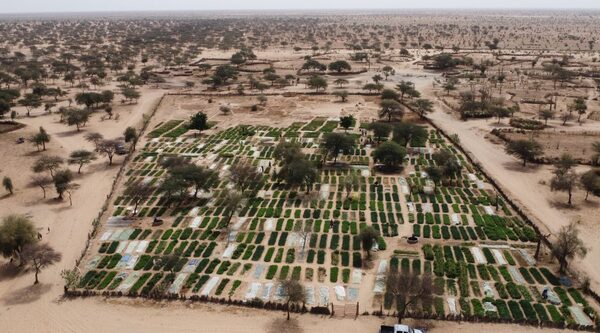
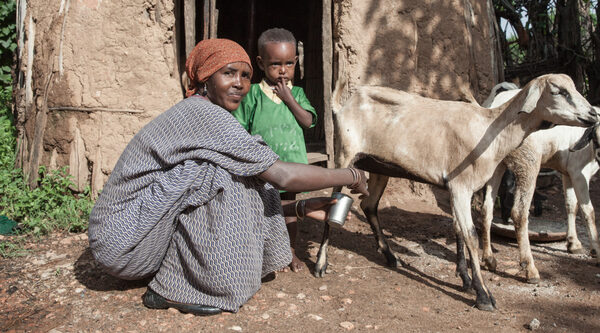
- Food Security and Livelihoods: support for the production and commercialization of agricultural and pastoral products.
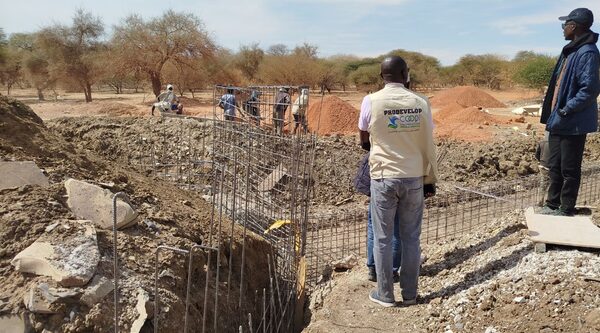
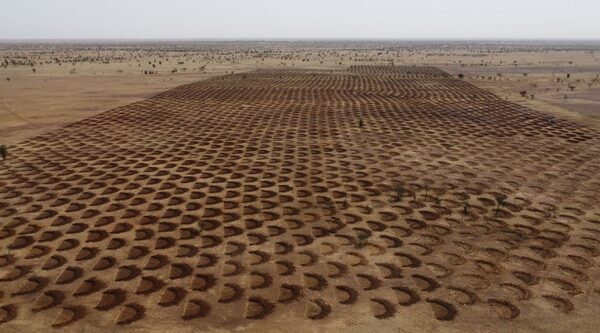
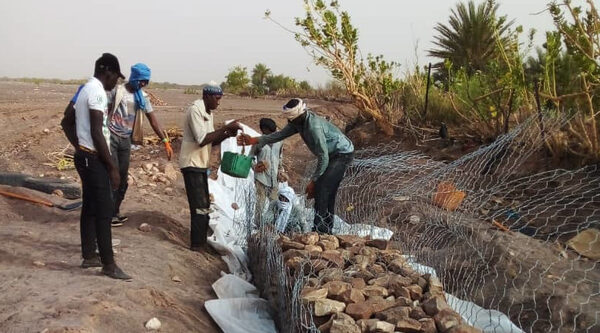
- Infrastructure Rehabilitation and Disaster Risk Reduction: support for natural disaster preparedness and response; implementation of small-scale infrastructure for soil and water conservation.
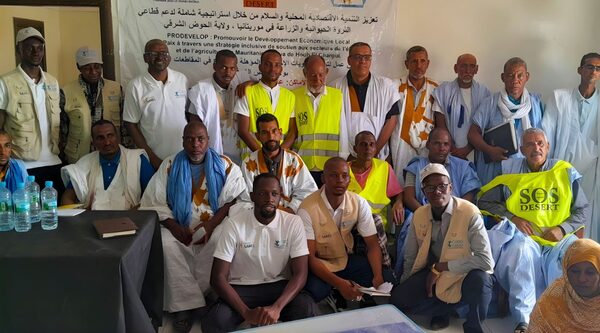
- Conflict Prevention and Participatory Community Approach: promotion of dialogue and collaboration among different communities to prevent conflicts and improve the management of natural resources.
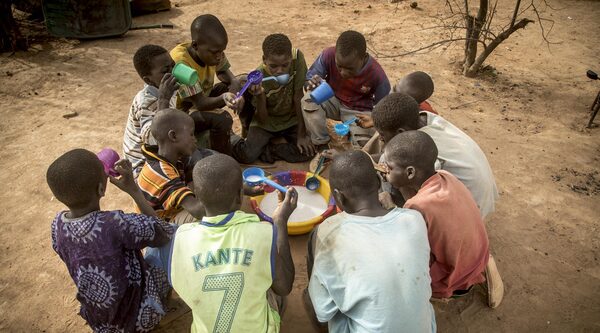
- Health and Nutrition: prevention and response to maternal and child malnutrition; training of healthcare staff and support to local health centers.
- Education: promotion of parental education; prevention and reduction of school dropout.
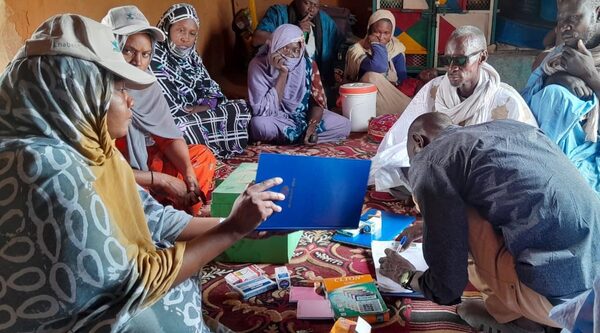
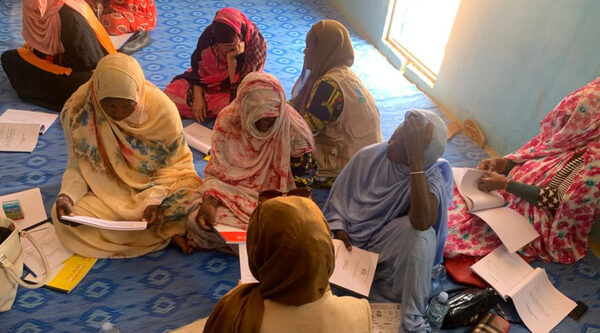
- Protection: community-based psychosocial support for at-risk children, victims of trafficking, refugees, and marginalized families; prevention and response to gender-based violence and early marriage


 Food Security
 Nutrition Security