Where We Work

Somalia

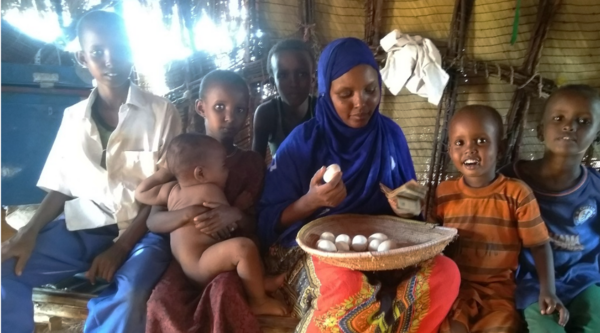
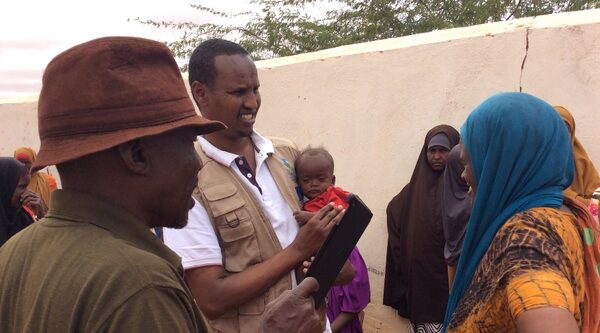
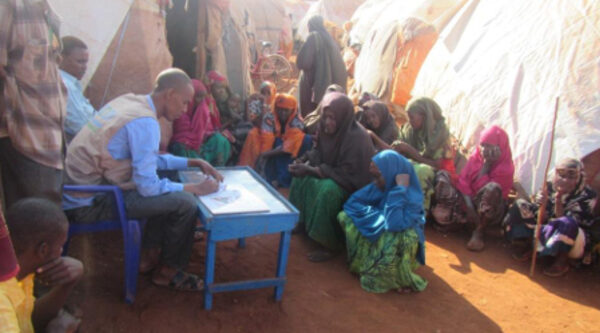
COOPI has been present in Somalia since 1981 and for over 40 years, it has been promoting health, food security, livelihood development and access to water and hygiene.


Our results in the country

Areas of intervention:
Water and Sanitation Humanitarian assistance Food Security Economic development
6 projects
33% development
67% emergency
477,619

direct beneficiaries

5

Expat workers

83

Local workers

Areas of intervention:
Water and Sanitation Training Migration Protection Disaster Preparedness and Disaster Risk Reduction Health Food Security Nutrition Security Economic development
267 projects
39% development
61% emergency
16,322,613

direct beneficiaries

The presence of COOPI in Somalia

Over the past 45 years, COOPI has built a solid reputation and earned deep trust from local communities, thanks to its comprehensive, long-term interventions in the sectors of food security and livelihoods, economic development, access to water and sanitation, health, education, and disaster risk reduction.

The organization, also as a member of the Somali Cash Consortium (SCC) since its inception, has successfully delivered aid in remote or at-risk areas, prone to climate shocks and/or affected by conflicts; furthermore, as a founding member of the Somali Resilience Program (SomReP), it has focused on strengthening the resilience of pastoralists, agro-pastoralists, fishermen, peri-urban host communities, and internally displaced persons (IDPs), ensuring they are better prepared to cope with both natural and human-induced shocks.

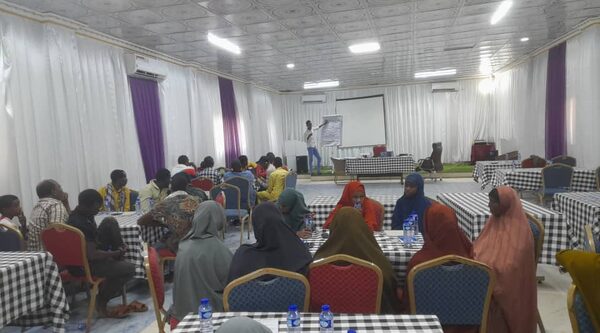
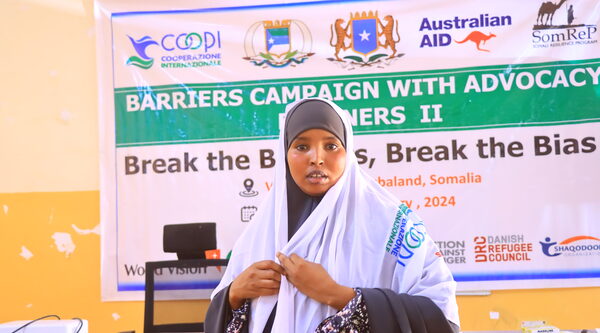
COOPI's approach places strong emphasis on the inclusion of women, youth, and persons with disabilities, through interventions aimed at adapting to climate change, diversifying livelihoods, and promoting sustainable practices. 

COOPI in Somalia today

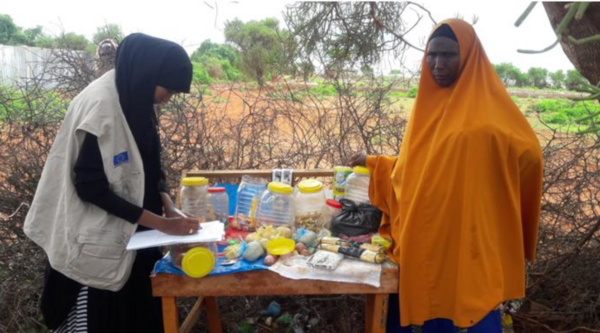
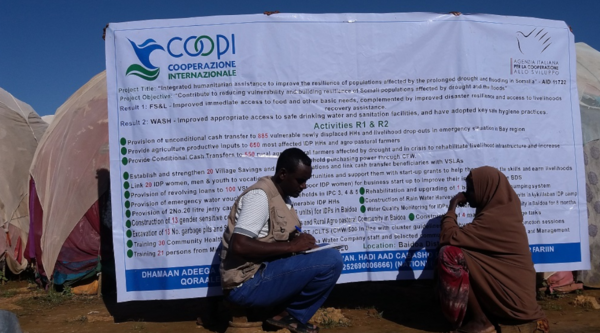
In Somalia, COOPI implements humanitarian response, resilience, and livelihood-building programs through a multi-sectoral approach. The key sectors of COOPI's interventions in Somalia are food security, sustainable agriculture, promotion of income-generating activities, access to water, and promotion of sanitation and environmental services.

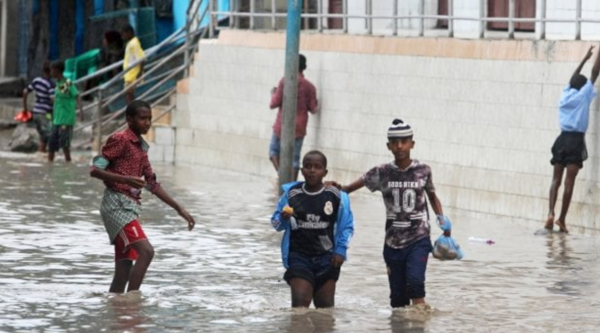
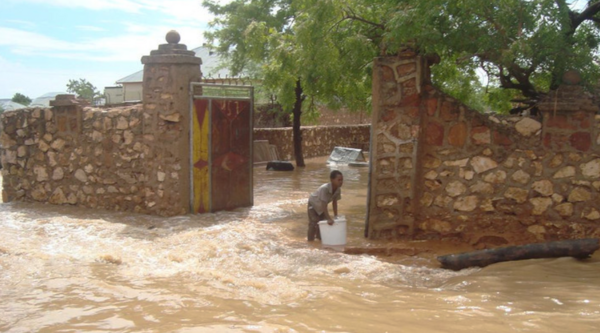
To respond to the drought and flood emergencies in Somalia, COOPI is committed to implementing emergency and humanitarian response programs, integrating them over time with development and resilience projects wherever adequate socio-economic and environmental conditions exist. Depending on the context, each intervention integrates one or more cross-cutting themes such as protection, gender, environment, and disaster risk reduction.

Given the fragile social fabric of many of the post-conflict communities with which COOPI works, great emphasis is placed on minimizing conflict through the "Do No Harm" (DNH) principle, aiming to alleviate suffering, preserve human dignity, and save lives. 


Main sectors of intervention today

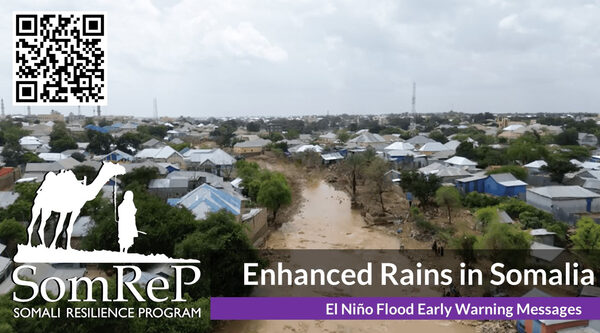
Somalia is currently facing multiple challenges such as floods, massive locust infestations, and droughts, which further aggravate an already difficult environmental and economic situation. In this context, COOPI's primary objective is to meet basic needs and promote long-term climate shock response goals for the benefit of the most vulnerable Somali households. Specifically, COOPI strengthens food security and supports community-level resilience building through:

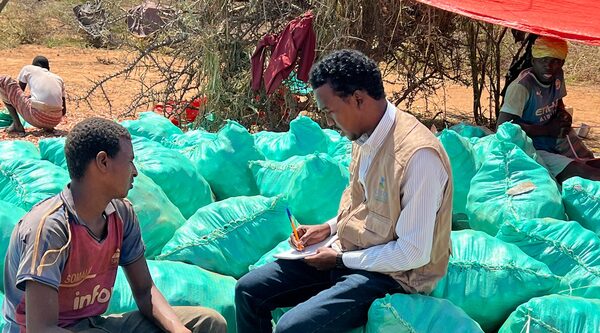
  • Distribution of emergency food assistance to vulnerable households affected by food insecurity, conflicts, and climate shocks.
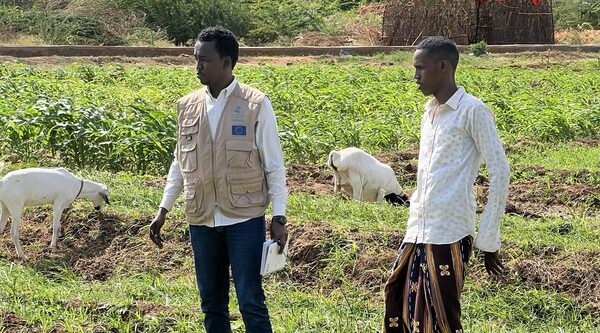
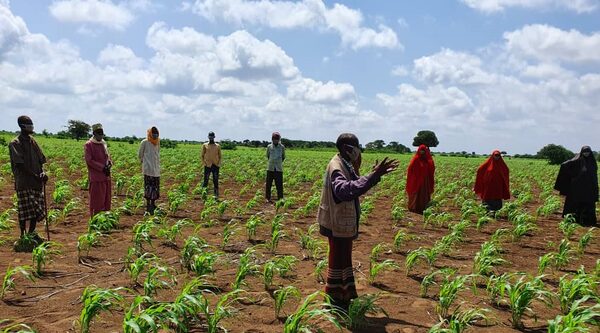
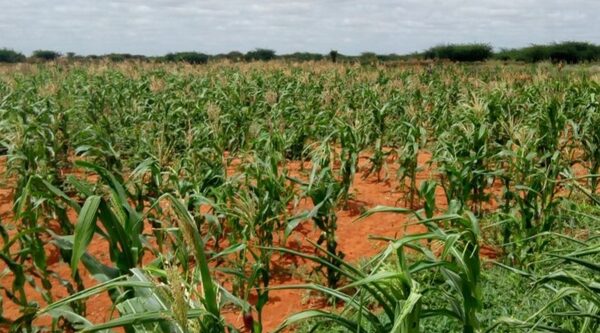
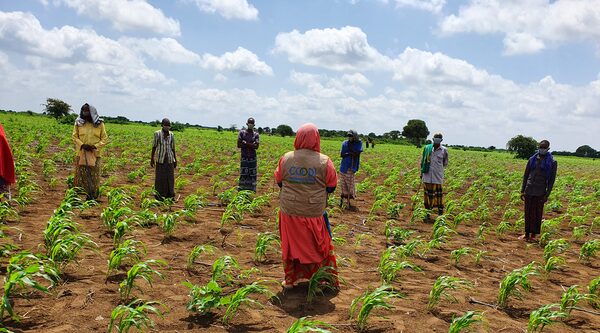
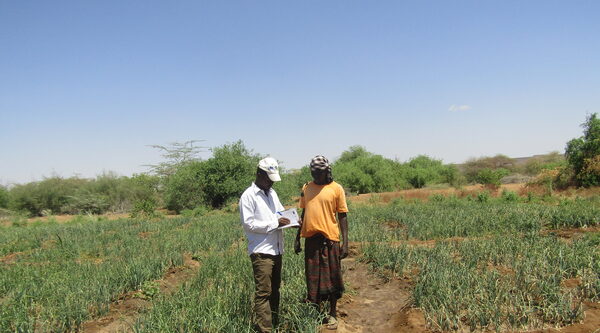
  • Support for agricultural production through the distribution of seeds and productive inputs, training on good agricultural practices, and promotion of climate-resilient agriculture techniques.
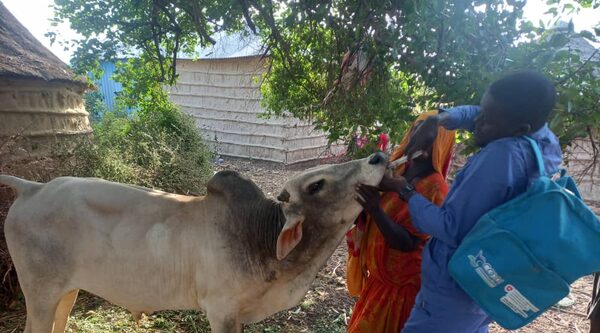
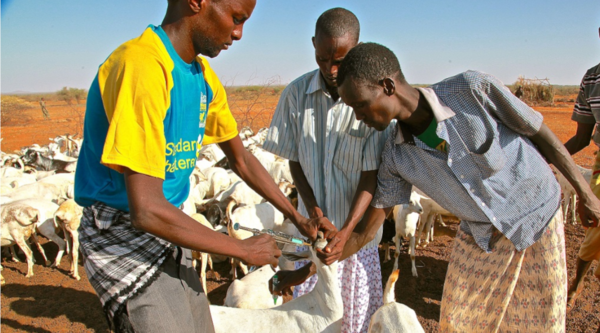
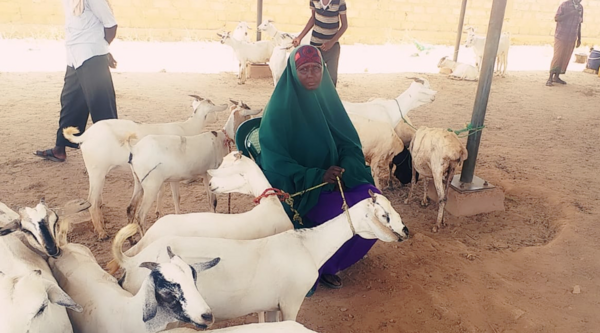
  • Support for pastoral and agro-pastoral activities through veterinary services, animal health campaigns, and restocking and protection of livestock assets.
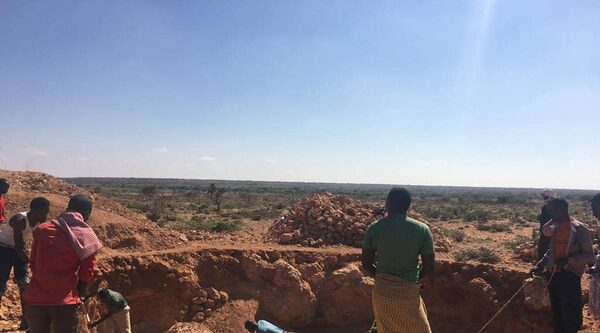
  • Rehabilitation of irrigation infrastructure and agricultural land, including through cash-for-work interventions to restore productive activities.
  • Strengthening of agri-food value chains, producer associations, and market access for farmers and herders.
  • Protection, diversification, and recovery of livelihoods for rural communities and households affected by crises and disasters. 
2026
1

project

194,852

beneficiaries

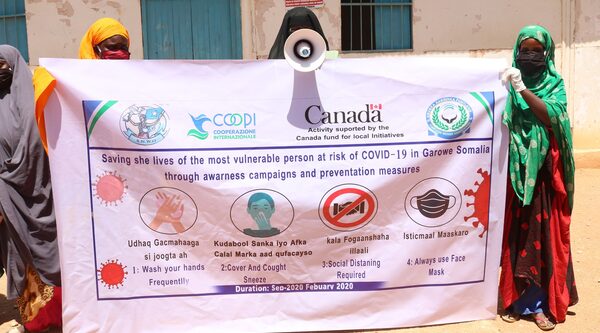
Severe climate change and chronic instability have left thousands of Somali households vulnerable, without access to safe drinking water and adequate sanitation. COOPI promotes water, sanitation, and hygiene (WASH) activities in Somalia at multiple levels:

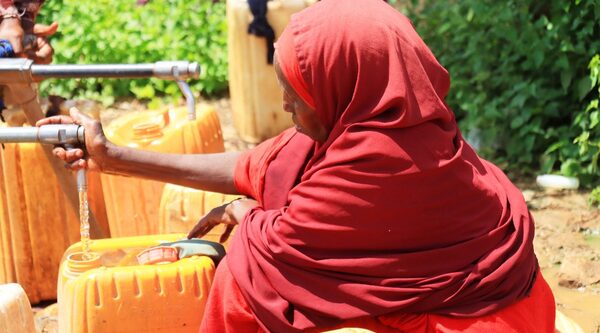
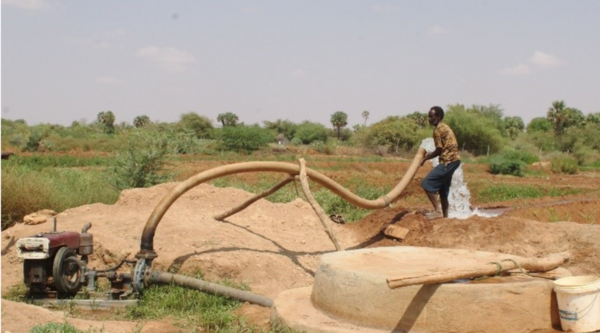
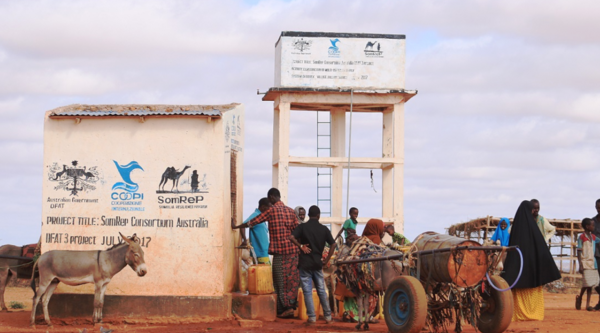
  • Improving access to safe drinking water through the construction, rehabilitation, and maintenance of wells, water points, and water supply systems, including solar-powered ones.
  • Providing emergency water access solutions, including water vouchers for populations affected by drought, floods, and displacement.
  • Construction and rehabilitation of safe, accessible, and flood-resilient sanitation facilities, including at health centers and IDP settlements.
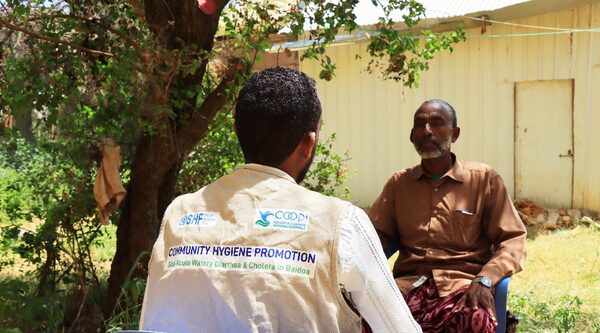
  • Distribution of hygiene and menstrual hygiene management (MHM) kits, accompanied by awareness campaigns on hygiene practices and disease prevention.
  • Training of community water management committees and local authorities on water quality, operation, and maintenance of water infrastructure. 

The multiple challenges facing Somalia today have weighed not only on its already fragile environmental landscape, but also on its economy. In this context, COOPI focuses on responding to immediate needs while promoting sustainable economic development and economic empowerment by strengthening inclusive market systems, fostering social inclusion, reinforcing safety nets, and supporting income-generating initiatives. Specifically:

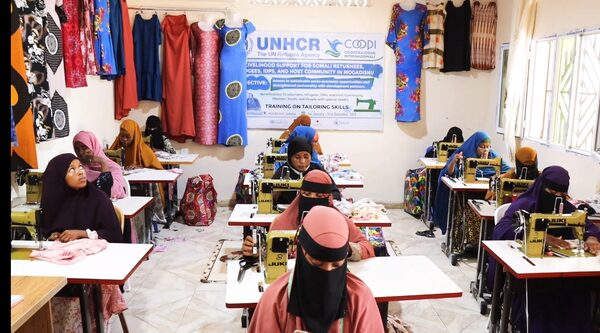
  • Vocational and entrepreneurial training mainly targeting youth, women, and vulnerable populations to promote employment, self-employment, and socio-economic reintegration.
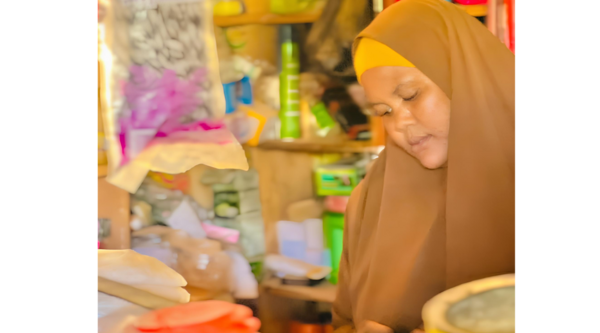
  • Support for the start-up and strengthening of small businesses and income-generating activities, including through business management training and coaching.
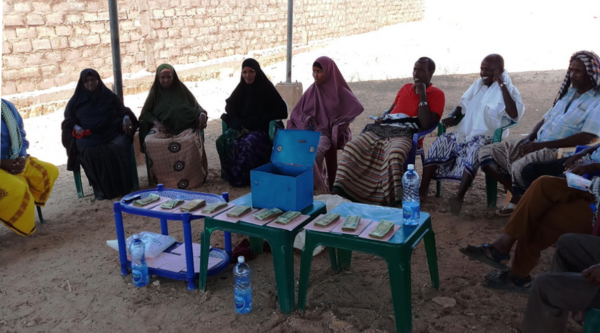
  • Establishment and strengthening of Village Savings and Loan Associations (VSLAs), with particular focus on women's participation.
  • Promotion of financial inclusion through savings education, access to community credit, and development of revolving financing mechanisms and social funds.
  • Strengthening of inclusive market systems and economic opportunities for micro and small enterprises, fostering linkages with local economic and financial actors. 
2026
1

project

3,060

beneficiaries

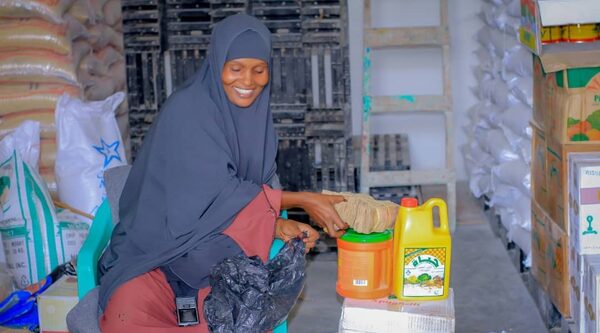
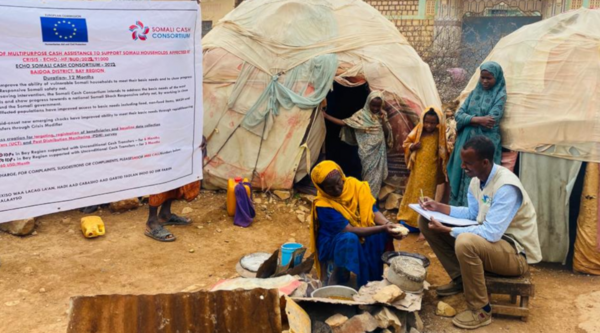
  • Provision of unconditional Multipurpose Cash Assistance (MPCA) through mobile money systems to meet the basic needs of households affected by drought, floods, conflicts, and displacement.
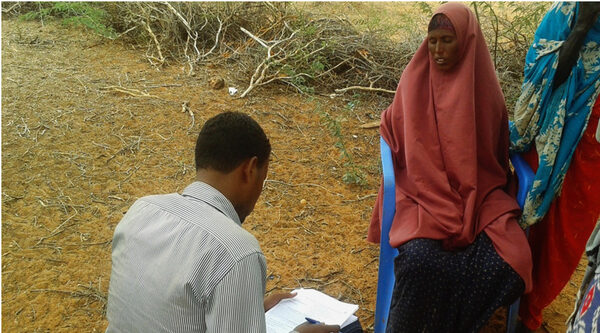
  • Activation of rapid emergency response mechanisms through needs assessments, market analyses, and identification of the most vulnerable households.
  • Implementation of emergency cash assistance interventions to support households' capacity to meet basic needs and reduce reliance on negative coping strategies.
  • Strengthening of beneficiary identification, registration, verification, and coordination mechanisms, including referral systems and prevention of assistance duplication.
  • Monitoring of cash transfers and activation of community feedback and complaint mechanisms to ensure quality, transparency, and accountability in the humanitarian response. 
2026
4

projects

279,161

beneficiaries

Find out where we operate in Somalia

Mogadishu

COOPI office

Coopi
Banadir

Food Security
Baidoa

Food Security Water and Sanitation
Kismayo

Food Security
Bay

Food Security Water and Sanitation
Belete Weyen

Food Security
Gedo

Food Security Water and Sanitation
Dolow

Food Security Water and Sanitation
Dinsoor

Food Security Water and Sanitation

COOPI development lines in Somalia 

COOPI's priority areas of intervention in Somalia in the near future will be:

  • Emergency response, through rapid response mechanisms to humanitarian crises caused by droughts, floods, and conflicts, including through multipurpose cash transfers;
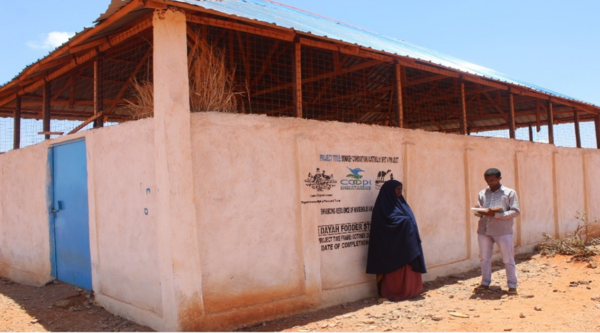
  • Food security and livelihoods, supporting agro-pastoral activities and fisheries, diversification of income sources, and restoration of productive activities, including through cash-for-work programs, with particular focus on women's economic empowerment;
  • Water, sanitation, and hygiene (WASH), continuing to invest in sustainable water infrastructure, including through the use of renewable energy, and strengthening community management;
  • Disaster risk reduction and climate resilience, strengthening the capacities of pastoral, agro-pastoral, fishing, internally displaced, and host communities to prevent and mitigate the effects of shocks, adapt to climate change, and adopt sustainable livelihood strategies;
  • Inclusive governance and social cohesion, promoting community participation, conflict prevention, stabilization, and peacebuilding, through an integrated humanitarian-development-peace nexus approach.
ISTITUTIONAL DONORS
CLUSTER
LOCAL INSTITUTIONS
NATIONAL AND LOCAL PARTNERS
INTERNATIONAL PARTNERS

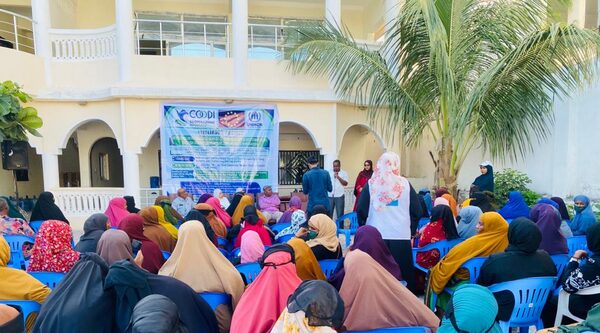
COOPI activities in Somalia are currently funded by:

nome fondazione
nome fondazione
nome fondazione
nome fondazione
nome fondazione
nome fondazione

Food Security • Protection • WASH • Area based Coordination Fora • Cash Working Group

Village Development Committees • Representatives of beneficiaries • Federal Government of Somalia • Regional states • Local district authorities

Shaqodoon • SEDHURO

ACF • ACTED • CISP • CWW • Norwegian Refugee Council • OXFAM • Save the children • Terraperta • WVI • SomReP (Somalia Resilience Program) • Somali Cash Consortium.
LATEST NEWS

A trip through fields in Somalia

Caraturka is an area of Somalia that extends south of the city of Baidoa. In recent years it has become the region of the refugee camps: it has, in fact, 15...
Read more arrow right
Contact :

COOPI - SOMALIA El-Qalaw – Wadajir